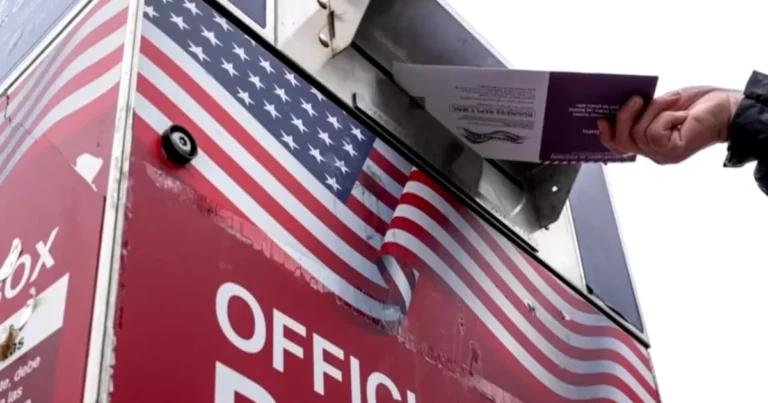

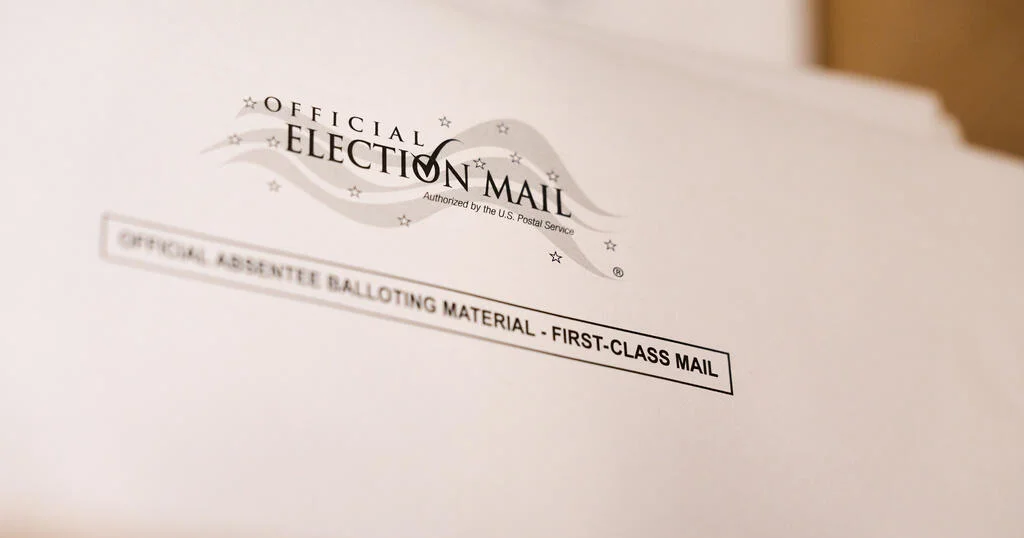








The Trump administration has returned to the Supreme Court, seeking intervention in its ongoing legal effort to impose new restrictions on mail-in ballots ahead of the upcoming midterm elections. This latest appeal, filed on Sunday, arrives just two days after U.S. District Court Judge Indira Talwani extended an existing injunction that blocks the U.S. Postal Service from enforcing specific mandates tied to the president’s executive order for the November contests.
Solicitor General John Sauer argued in the filing that the judicial delay is creating significant logistical complications. “Ballots have already begun to be mailed in North Carolina, and more States will begin the mailing process as the injunction remains in place — including Alabama on September 9 and at least five States the week of September 13,” Sauer stated. He emphasized that once ballots enter the mailstream, they cannot be retrieved, noting that the current injunction makes necessary preparatory steps voluntary rather than mandatory, which he claims risks sowing confusion and chaos.
This request marks the third time the administration has petitioned the high court regarding these voting rules. While the Supreme Court has permitted the administration’s broader plan to proceed, it has yet to issue a definitive ruling on the legality of the directives. The outcome of this dispute carries substantial weight, as nearly one-third of American voters utilize mail-in ballots, and control of Congress remains at stake in the November 3 midterms.
State officials and voting rights advocates continue to challenge the changes, arguing they are unconstitutional. Election administrators have specifically raised concerns about the feasibility of complying with new Postal Service requirements—such as implementing unique barcodes and submitting voter data to an online portal—on such a short timeline. Many officials have already ordered and printed their ballot envelopes, leaving them little room to adjust to the new, complex directives.
Defending the policy, the administration maintains that these restrictions are commonsense regulatory measures within its authority. Sauer urged the court to act quickly, stating, “Simply put, the best way to address respondents’ fears about inability to comply with the Rule is to grant an immediate administrative stay of the order, followed by a full stay pending further review. That will remove the improper cloud of uncertainty that the district court has cast over the Rule, making clear to all involved that compliance with the Rule is not optional and must start without further delay.”
The president has consistently sought to limit mail-in voting, despite frequently using the method himself. He has repeatedly linked mail-in balloting to baseless claims of fraud, blaming it for his 2020 election defeat to Joe Biden, though he has thus far failed to successfully overhaul established voting procedures.
In related developments, the legal and political landscape remains active: Missouri’s top court has blocked a new House map that favored the GOP until voters have an opportunity to weigh in. Additionally, construction on a Trump-backed triumphal arch is scheduled to begin in the coming weeks, and a new acting Army secretary has been appointed following the resignation of Driscoll. The report also notes that the high court has allowed the plan to move forward but not ruled on whether it is legal.