
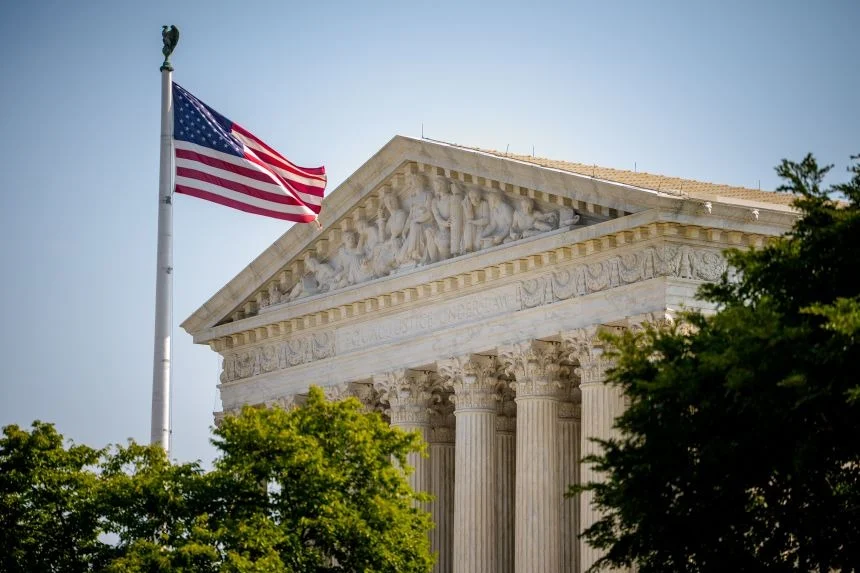








The Trump administration has returned to the Supreme Court with an emergency request to immediately enforce a new U.S. Postal Service (USPS) policy regarding mail-in ballots. This latest legal maneuver, filed on Sunday, aims to bypass an indefinite block on the plan, which the administration argues is necessary to secure the integrity of the upcoming November midterm elections. The filing follows a series of rapid legal developments, including the administration’s decision to withdraw an earlier, similar appeal to simplify the proceedings.
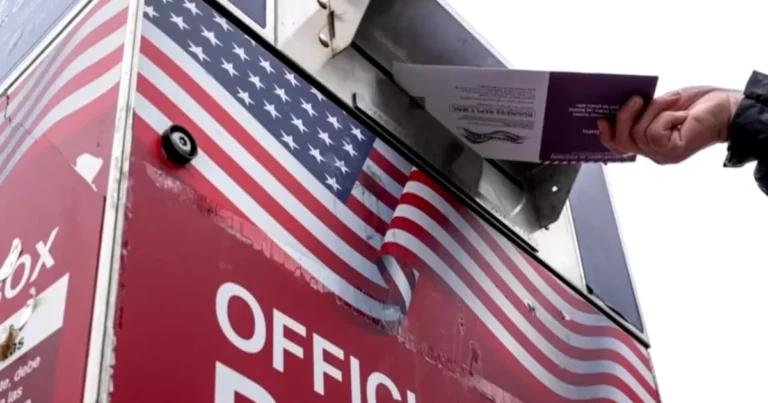
In a formal letter to the justices, the Department of Justice stated that the new filing was made out of “an abundance of caution.” The core of the dispute centers on a rule that would require local election officials to upload voter lists to a specific portal and utilize unique barcodes on ballot envelopes to improve tracking. While the administration maintains these requirements are modest and essential for verifying voter eligibility, critics and a coalition of 23 Democratic-led states have characterized the move as an attempt to exert federal control over state-run election processes.
The legal battle intensified on Friday when U.S. District Judge Indira Talwani issued a preliminary injunction, indefinitely halting the USPS plan. Judge Talwani emphasized that the Constitution grants states the primary authority to manage election administration, noting that the executive branch lacks inherent power to intervene in this domain. This ruling followed an earlier two-week restraining order that had already stalled the agency’s efforts.
The timeline for implementation is increasingly tight. North Carolina has already commenced mailing ballots, and Alabama is scheduled to begin the process on September 9. At least five additional states are expected to start mailing ballots by September 13. The Justice Department warned the Supreme Court that once these envelopes enter the mailstream, they cannot be retrieved. They argued that the current injunction creates uncertainty, as it renders preparatory steps for the new rule voluntary rather than mandatory, potentially leading to confusion.
Opponents of the policy, including the ACLU’s Voting Rights Project, argue that the timing is prohibitive. Sophia Lin Lakin, director of the project, stated that with fewer than 60 days remaining before the November election, there is no evidence that states could comply with the new requirements without disenfranchising voters who depend on mail-in options. Critics further contend that the president has long promoted unfounded claims regarding widespread voter fraud in mail-in systems.
Solicitor General D. John Sauer defended the initiative in the Sunday filing, asserting that the Postal Service is not attempting to federalize election rules. Instead, he argued the policy imposes only minor envelope-design and information requirements for ballots sent via U.S. mail. Despite the administration’s push for a quick resolution, the legal timeline remains largely unchanged. Justice Ketanji Brown Jackson, who oversees emergency appeals from the 1st U.S. Circuit Court of Appeals, has directed the states and voting rights groups to submit their responses to the new appeal by Wednesday. The report also notes that setting up one of the most significant election cases on the court’s quick-turn docket in years, the USPS asked the high court to quickly allow it to implement its rule. The report also notes that 3 that urged the justices to allow the agency to implement the new ballot rule ahead of the November elections that will determine which party controls Congress. The report also notes that the administration withdrew the first case, shortly after filing the second appeal on Sunday. The report also notes that the difference between the cases will make little or no difference, for voters and states. The report also notes that this story has been updated to include new details.