





The Supreme Court ruled 6-3 on Monday to allow the Trump administration to move forward with significant portions of an executive order aimed at tightening mail-in voting regulations ahead of the November midterm elections. The high court’s decision grants emergency relief requested by the administration last month in a legal battle involving 23 Democratic-led states.
In an unsigned opinion, the justices determined that the states had initiated their lawsuit prematurely. The Court emphasized that its current disposition does not confirm the legality of any specific measures taken by the government to implement the order, noting that the directive itself does not inherently harm the states, thus rendering the district court’s previous injunction improper due to a lack of jurisdiction.
This ruling effectively permits the Department of Homeland Security to proceed with plans to compile lists of residents in each state who are eligible to vote. While the Supreme Court’s order does not prevent states from filing future lawsuits against specific policies once they are finalized and enacted, it removes the immediate legal barriers currently blocking the administration’s efforts.
Three liberal justices dissented from the majority. Justice Sonia Sotomayor, joined by Justice Elena Kagan, argued that the decision merely delays the adjudication of critical challenges. Sotomayor wrote that the ruling avoids addressing whether the president’s attempts to influence state-level administration of the 2026 elections are lawful, noting that the court’s intervention leaves significant constitutional questions unresolved.
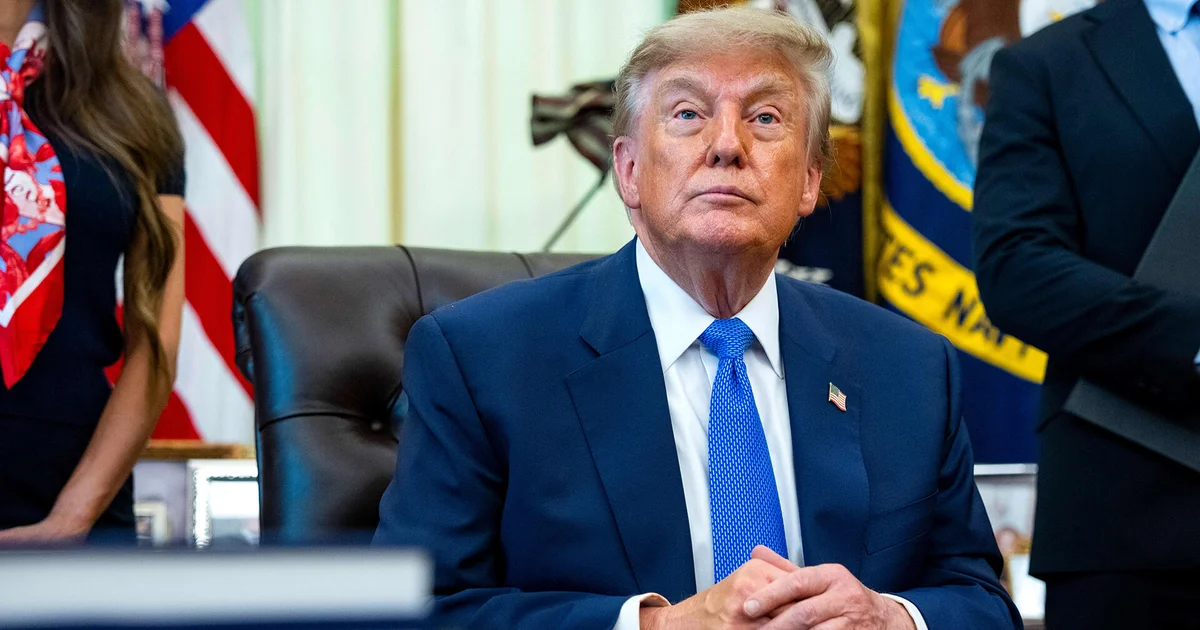
President Trump, who has frequently criticized mail-in voting and claimed without providing evidence that noncitizens are casting ballots in federal elections, signed the executive order in March. The directive instructs the Department of Homeland Security to use federal databases to create “state citizenship lists” and mandates that the Postal Service deliver mail ballots exclusively from individuals verified through those lists.
Following the order, the Postal Service issued a final rule on Friday outlining design requirements for federal mail ballot envelopes. The agency stated it would generate and distribute “Mail-In and Absentee Participation Lists” to state election officials on Election Day. However, the Postal Service clarified that it will not participate in determining voter eligibility, maintaining voter rolls, or counting ballots, and intended to implement these rules immediately upon the lifting of lower-court injunctions.
The legal conflict originated shortly after the executive order was signed, when Democratic officials from 23 states and the District of Columbia filed suit, arguing that the president lacks the constitutional authority to dictate how states manage federal elections. A separate group of 12 Republican-led states intervened in support of the administration.
U.S. District Judge Indira Talwani had previously ruled in June that the Constitution reserves voter-eligibility requirements for the states, not the president. While the Justice Department appealed, the U.S. Court of Appeals for the 1st Circuit declined to stay the injunction in a 2-1 decision. A separate challenge in Washington, D.C., saw lower courts reject similar requests from Democrats to block the directive.
In its emergency appeal to the Supreme Court, the Justice Department, led by Solicitor General D. John Sauer, argued that the district court’s injunction was “extraordinary” and “indefensible.” Sauer contended that the executive order functions as an internal directive for future policymaking and that the states’ concerns were premature. He further argued that the injunction harmed the government by obstructing its ability to finalize election integrity policies as the midterms approached.
Conversely, the Democratic-led states warned that the executive order would cause widespread confusion and potentially disenfranchise millions of voters. They argued that the administration’s program is an “unprecedented” and “legally indefensible” attempt at ballot interception that forces states to divert time and resources to comply with federal mandates they believe are unconstitutional.
While this ruling provides the administration a path forward, the broader legal battle regarding the president’s authority over federal election administration remains ongoing, with further litigation expected as the government moves to finalize its policies. The report also notes that the Justice Department had asked the Supreme Court to lift a lower court’s injunction that stopped agencies from carrying out parts of Mr. The report also notes that too, but the Justice Department will likely argue the Supreme Court’s decision applies to that case. The report also notes that some states are set to begin sending mail ballots to voters for the upcoming midterms in the coming weeks. The report also notes that since returning to the White House for his second term, Mr. The report also notes that which will determine which party controls the House and Senate, trump’s directive came just months before the November midterm elections. The report also notes that in order to identify potentially anomalous incidents that may merit further investigation, the new rule said the lists are “primarily intended to assist election officials and law enforcement to understand who may have been mailed a ballot. The report also notes that respondents’ real concern is not with the Order itself — which does not require anyone outside the government to do (or refrain from doing) anything — but with possible harms that may arise depending upon what specific actions the agencies ultimately decide to take in implementing the President’s directives.