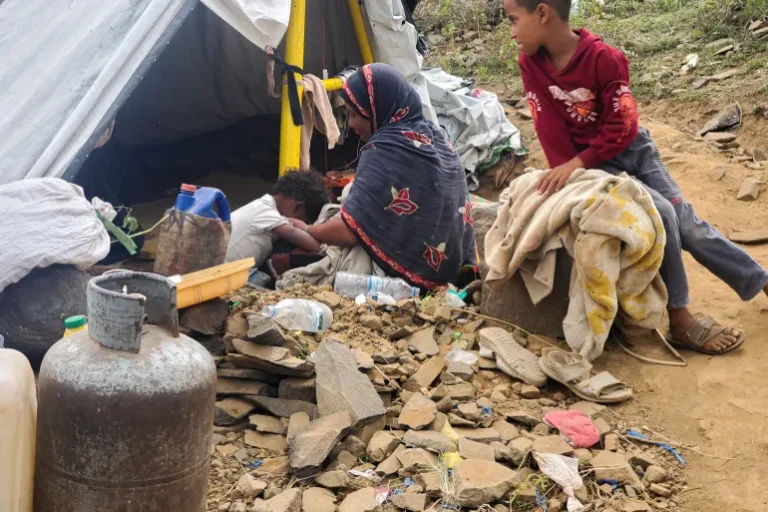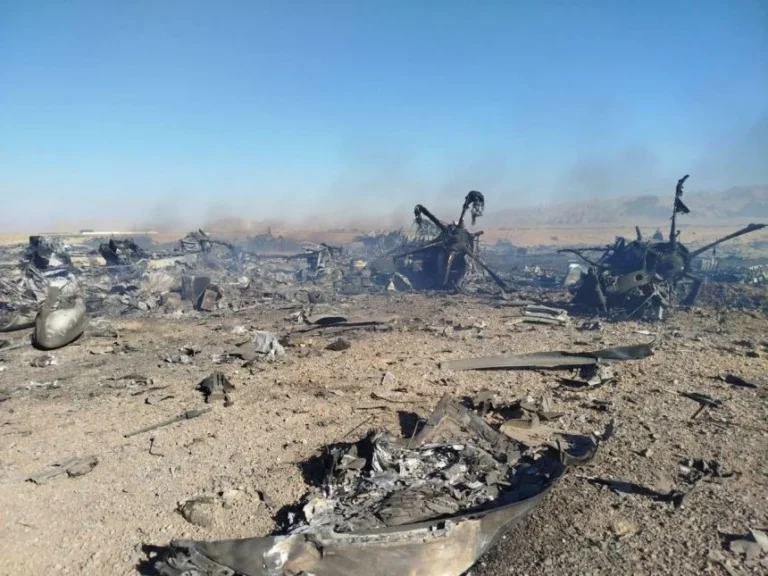




When President Donald Trump initiated military action against Iran six months ago, he characterized the operation as a brief “excursion” expected to conclude within weeks. Instead, the conflict has persisted, creating a humanitarian and economic crisis that has impacted the Iranian population, regional stability in the Middle East, and global consumer costs.
Despite the duration of the fighting, the administration’s objectives remain fluid and unachieved. Initial demands for total Iranian surrender and regime change have shifted, though the conflict has triggered significant unintended consequences. These include weakened global security, a decline in American international standing, and potential vulnerabilities that adversaries may exploit.
Emily Harding, a vice president at the Center for Strategic and International Studies, noted that while the situation has not yet devolved into a full-scale global crisis, the foundations of international security are being eroded. “It’s more that some foundations are being weakened, not that we’re actually seeing the building start to shake,” Harding observed. She cautioned that global adversaries are monitoring the U.S. response to these conflicts to inform their own strategic planning.
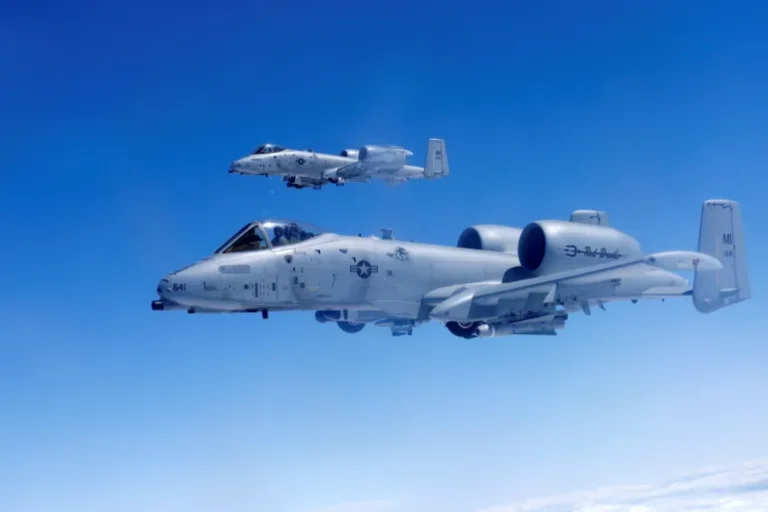
The strain on U.S. resources has become evident as weapons stockpiles are depleted. To sustain operations in the Middle East, the U.S. has redirected ammunition originally intended for Ukraine. President Volodymyr Zelensky reported this month that Ukraine currently possesses only one-tenth of the interceptor missiles required to defend against Russian ballistic missile attacks. This shortage has contributed to the deadliest summer for Ukrainian civilians since May 2022.
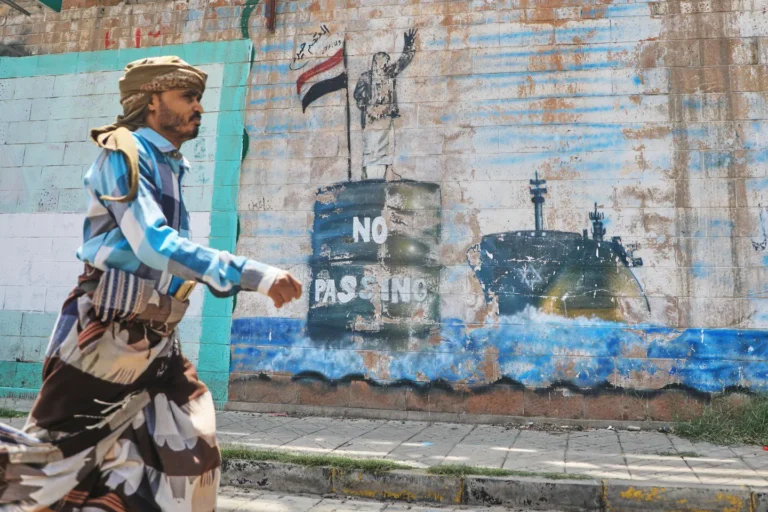
The conflict has also disrupted global energy and fertilizer trade, particularly following Iran’s effective closure of the Strait of Hormuz. This disruption has inadvertently aided Russia’s diplomatic efforts. Alexander Gabuev, director of the Carnegie Russia Eurasia Center in Berlin, highlighted a recent summit in Kazan where Russian President Vladimir Putin hosted leaders from Southeast Asia. Nine of 11 ASEAN heads of state attended, driven in part by the economic fallout from U.S. and Israeli actions against Iran, which caused sharp spikes in energy and fertilizer prices.
The Korean Peninsula has emerged as another point of concern. With 28,500 U.S. troops stationed in South Korea, the region remains technically at war following the 1950-1953 conflict. However, the U.S.-South Korea security relationship has faced friction this year after President Trump curtailed annual joint military exercises. South Korean officials confirmed that a second set of exercises, planned for September, was canceled in June. Analysts warn that these reductions negatively impact military readiness and delay Seoul’s transition to wartime control of its own forces.
Furthermore, the U.S. has removed its only aircraft carrier from the Western Pacific, raising questions among regional allies regarding American commitment. Harding expressed concern regarding the long-term implications of these shifts, particularly in the context of a potential conflict with China. She noted that while no adversary has yet taken advantage of the current situation, these actions could serve as a dangerous precedent in the future.
Looking ahead, the administration faces difficult choices regarding the ultimate goals of the Iran campaign. Harding suggested that if the objective remains the total destruction of Iran’s nuclear program, the cost will remain high. Alternatively, the administration could settle for rendering the nuclear program “unusable” by repeatedly striking key sites. While maintaining pressure on Iran’s proxy network and securing the Strait of Hormuz is expensive, it remains a less costly alternative to the current scale of operations. The report also notes that but we haven’t seen anybody take advantage of it yet,” she said. The report also notes that the shortages are having devastating consequences for the Ukrainians: This summer has been the deadliest period for civilians since May 2022. The report also notes that “The turnout in Kazan was impressive: Nine of 11 heads of state from ASEAN were present, along with the Indonesian foreign minister and a special representative from Myanmar. The report also notes that the conflict has become a nightmare for almost everyone even remotely involved in it, six months later. The report also notes that for the millions living elsewhere across the Middle East, and for consumers around the world who are struggling with higher costs, it’s been a disaster for the Iranian people. The report also notes that it has taken the eye off the ball of other potential global flashpoints the US has long been involved in, including Ukraine, Taiwan and the South China Sea, and the Koreas, as the Trump administration focuses all its energy on trying to get out of the self-inflicted crisis in Iran.