
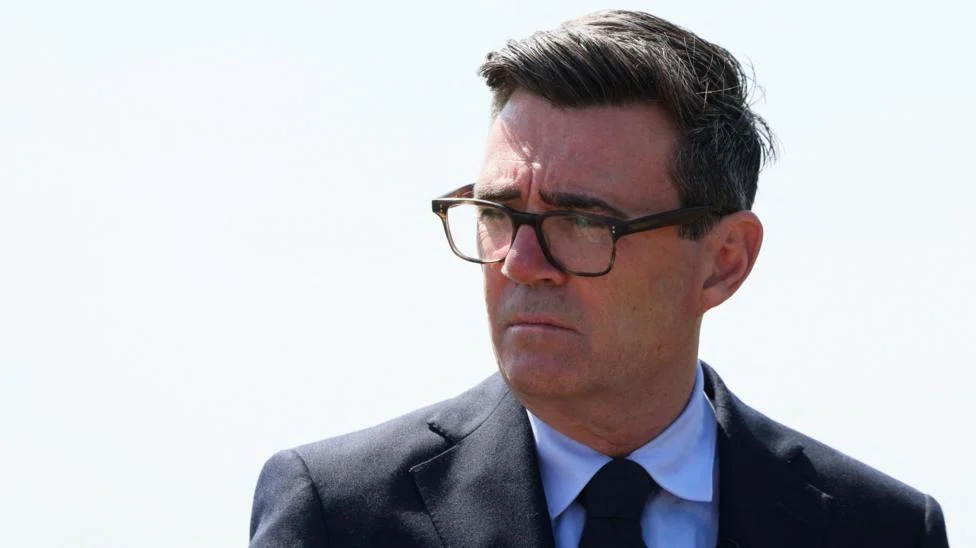






Consumers are set to benefit from an end to so-called subscription traps and a crackdown on “pretend prices,” Prime Minister Andy Burnham has announced. The government is bringing forward a package of changes originally introduced under his predecessor, Sir Keir Starmer, to make it significantly easier for individuals to cancel unwanted subscriptions.
Burnham is also planning to outlaw shops using fake “was” prices, which he said trick shoppers into thinking they are getting better value on purchases. These measures are designed to stop people from being rolled onto expensive contracts without their knowledge, ensuring greater transparency in the retail market.
The Prime Minister, who is currently embarking on a tour of the UK while Parliament is in recess, has promised a series of “everyday fixes” to help people manage rising costs. He stated: “I’m determined to pull every single lever we can to provide people with some room to breathe on the cost of living.”
While these plans were initially announced in April, the government is accelerating their implementation. Although they were originally expected to come into force next spring, officials have now promised they will be fully operational by January 2027. When first proposed, the government estimated the plans would save consumers £400m a year in total, or up to £170 per person.
The government intends to launch a formal consultation this autumn to determine the specific mechanisms for implementing these new measures. This effort follows the Digital Markets, Competition and Consumer Act, passed under the Conservatives in 2024, which previously sought to crack down on hidden fees and fake online reviews.
Consumer group Which? has welcomed the announcement, noting that it has “repeatedly exposed businesses, including trusted household brands, ripping off customers with dodgy deals that aren’t what they seem.” Sue Davies, the group’s head of consumer rights policy, urged the government to bring the new rules into force “swiftly.”
However, the move has faced political pushback. Shadow Chancellor Mel Stride branded the measures “reheated” and argued that the Prime Minister “has already run out of ideas.” Stride questioned the timing, stating: “The cost of living didn’t become a problem last week, so you have to ask why it has taken Labour so long to enact legislation passed by the previous government.”
This announcement represents the latest in a series of interventions by Burnham aimed at easing living costs, following previous initiatives such as a £2 bus fare cap in England and a VAT cut on household electricity bills. Despite these efforts, the Prime Minister is expected to face mounting pressure to deliver more significant structural changes in the upcoming Budget.
The Budget is scheduled to be delivered by Chancellor John Healey on 28 October. However, Healey has already made it clear he will oversee “strong fiscal discipline” throughout the process, a stance that will inevitably limit the amount of capital the government has available to spend on new initiatives.