







The Pentagon has issued an urgent directive to the United States defense industry, demanding a significant acceleration in weapons production to replenish stockpiles depleted during the ongoing conflict with Iran. Pentagon spokesman Sean Parnell confirmed on Saturday that the department is prioritizing munitions acquisitions to ensure the military receives “the weapons our warfighters need at the pace the threat demands.” While Parnell characterized this as part of a broader modernization strategy, the push follows intense pressure to address supply chain vulnerabilities.
In a memo issued last Wednesday, Deputy Defense Secretary Steve Feinberg gave industry leaders a 21-day deadline to submit concrete plans aimed at driving “significantly faster, more aggressive delivery schedules and/or increased production for critical capabilities.” Feinberg emphasized that the current “years-long development cycles are not acceptable,” insisting that the military must “dramatically accelerate our program schedules and expand our production capacity now.”
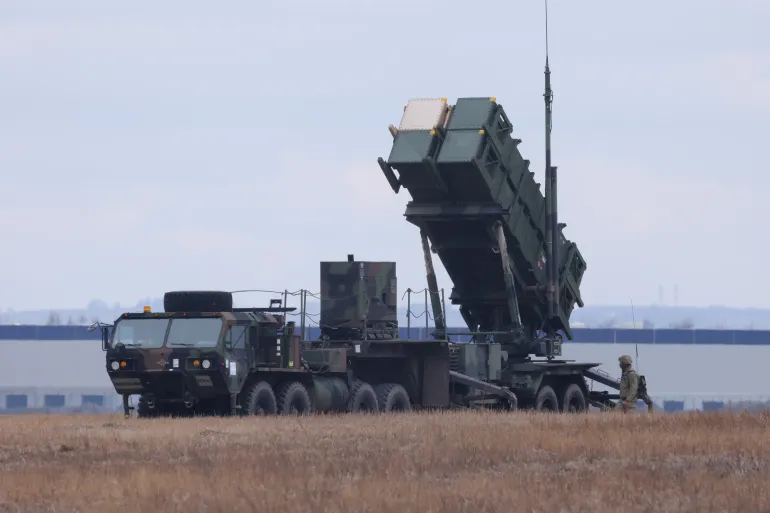
These concerns are underscored by a recent analysis from the Center for Strategic and International Studies (CSIS), which warns that shrunken inventories of Patriot and Terminal High Altitude Area Defense (THAAD) interceptors may force the US and its regional allies to accept greater risks. According to the report, the military may be compelled to launch fewer defensive missiles against incoming Iranian drones and rockets, thereby increasing the likelihood of successful enemy strikes. Retired US Marine Corps colonel Mark Cancian, a co-author of the study, noted that there are no viable substitutes for these systems, warning, “If we run out of Patriots, then the missiles get through.”
Data from CSIS indicates that the number of Patriot interceptors has plummeted from 2,330 before the war to an estimated 759–827, representing a decline of at least 65 percent. Similarly, THAAD interceptor stocks dropped from 452 to between 234 and 278, leaving the current inventory at least 38 percent smaller than pre-war levels. Experts suggest that even with immediate funding, restoring these stocks to their original capacity will likely require at least three years.
President Donald Trump has publicly dismissed reports of a strategic disadvantage, asserting on his Truth Social account that the US possesses “massive amounts of munitions” and that defense contractors are currently constructing a record number of new production facilities. Despite these claims, the administration faces a legislative hurdle as a defense spending bill remains stalled in Congress. Lawmakers have expressed frustration over the military’s conduct in the conflict and are resisting a White House proposal to increase the Pentagon budget to $1.5 trillion, up from last year’s $900 billion.
Parnell clarified that the directive for faster production is “real” and will directly influence the fiscal year 2028 budget request submitted to Congress. This effort to rebuild the defense industrial base is already underway, with the Department of Defense having recently finalized new agreements with major contractors Lockheed Martin and Northrop Grumman to boost manufacturing capacity for missile defense components.
The current situation highlights the tension between the military’s immediate operational needs and the logistical realities of the domestic defense sector. As the conflict enters its sixth month, the Pentagon’s focus remains on balancing the urgent requirement for defensive hardware against the limitations of current production schedules and the ongoing political debate over military funding.
He added that “large amounts are being manufactured and shipped to the US as needed” and that defence contractors are “building the largest number of plants and factories in our country’s history”.
On Saturday, Parnell affirmed that Feinberg’s memo seeking a rapid escalation of weapons production is “real,” adding that it “will inform the fiscal year 2028 budget submitted to Congress for funding, and it is entirely
The number of Patriot interceptors fell from 2,330 before the war to 1,030 when the April ceasefire took effect, CSIS estimated last month.
Experts say shortages in both offensive and defensive weapons could leave US forces less secure.
On Thursday, he again denied that the US faced any strategic disadvantage when it came to weapons stores after five months of war.