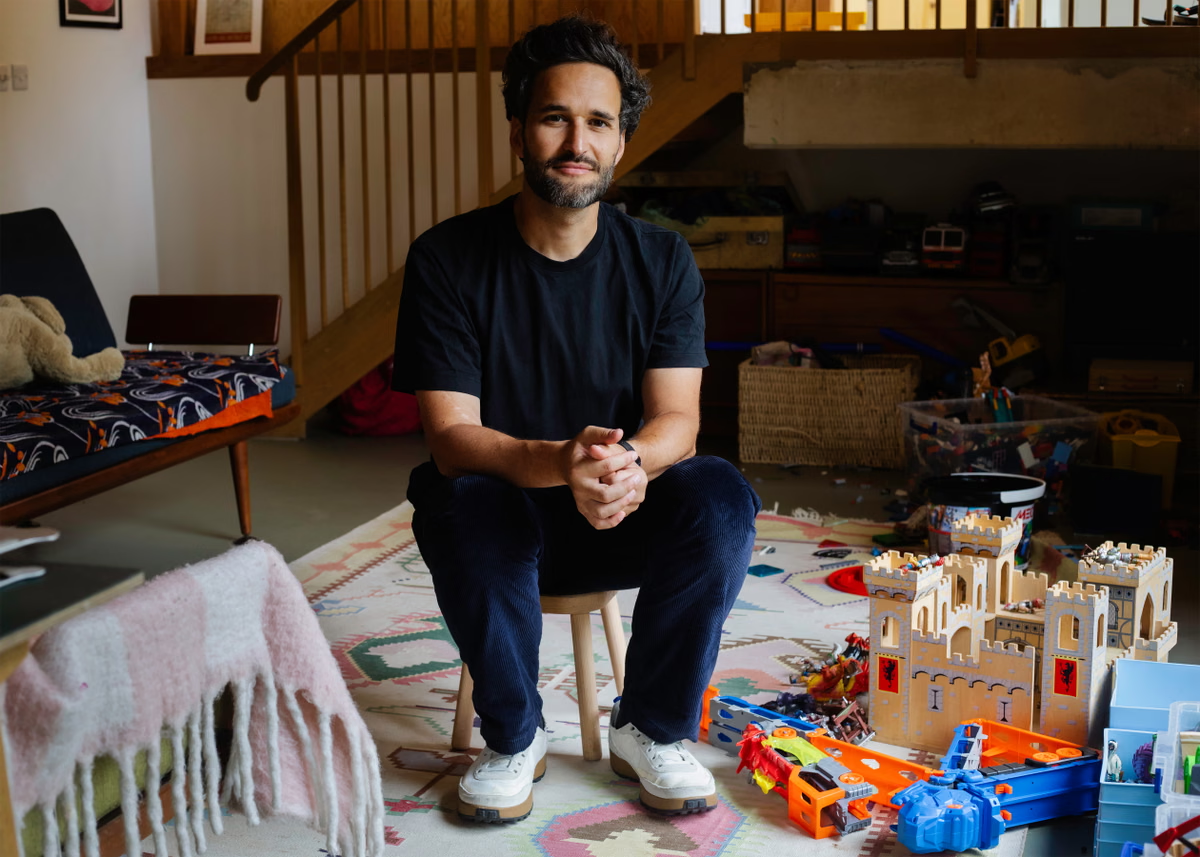








For the past 15 years, I have studied the profound impact of artificial intelligence on society and the labor market. However, my perspective shifted significantly when I became a father of three. The challenge of raising children in an age of rapid technological disruption feels deeply personal, especially when observing how these tools interact with their development.
The power and potential pitfalls of AI became clear to me through a simple experiment. I recalled a story idea my father and I once discussed, titled “The Day Nobody Went to Disneyland.” Decades later, I asked an AI to generate the story for my eight-year-old. While the result was impressive, it was not flawless; it contained a few nonsensical lines and odd Americanisms like “sneakers” and “cinnamon buns.” Still, the experience highlighted how easily AI can produce creative content.
My family recently encountered another example of AI’s capabilities during a long car journey on the A12. To keep my three children occupied, we listened to a podcast called “History’s Not Boring,” which featured engaging conversations narrated by two children. We were captivated, only to eventually realize that the narrators were not real people at all, but AI-generated voices. This underscored the remarkable quality AI can achieve, yet it also raised questions about how we should guide children to engage with such technology without losing their own sense of discovery.
The central dilemma for parents and educators is how to prevent AI from making education “too easy.” If technology handles the heavy lifting, at what point does the burden shift to adults to ensure children are still being stretched and challenged? Many instinctively respond to technological shifts with bans or punishment, but this approach is both unimaginative and counterproductive. We risk cheating children by failing to teach them how to use these tools effectively.
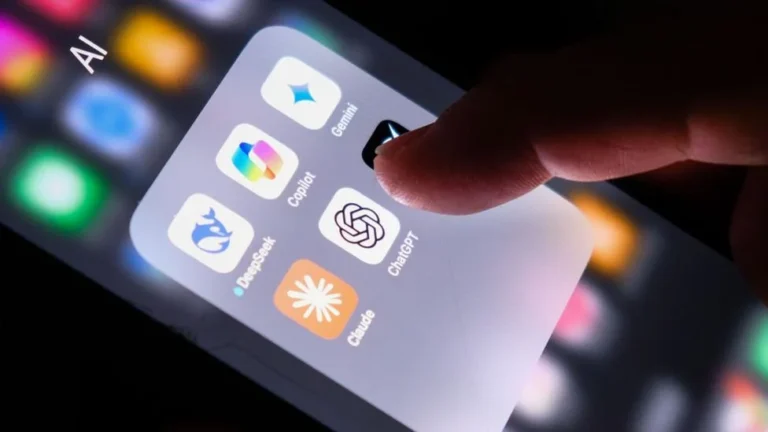
The history of “future-proofing” skills serves as a cautionary tale. In 2013, then-Prime Minister David Cameron announced that England would become the first nation to mandate coding in primary and secondary schools, a move supported by then-Education Secretary Michael Gove to equip children for the 21st century. Yet, by January 2026, Anthropic revealed that 90% of the code for its AI assistant, Claude Code, was written by AI itself. The failure of this policy stemmed from the belief that there existed a set of skills immune to AI, which could be identified through foresight.
This misconception is common among young professionals who have invested heavily in traditional career paths, only to find their expertise challenged. We have seen this before: in 2017, Stanford researchers developed a system capable of identifying cancerous freckles with the same accuracy as expert dermatologists. In the 20th century, the best ideas originated from human minds, but in the 21st century, they are increasingly likely to emerge from capable AI systems. A glimpse of this future occurred in late 2024, when DeepMind’s AlphaFold2 creators won the Nobel Prize in Chemistry for solving the “protein folding problem,” a monumental biological challenge.
To navigate this, we must return to basics. OECD data indicates that literacy and numeracy skills have been declining globally since 2009. We must prioritize these foundations, even as AI becomes more proficient at them, because AI systems remain prone to hallucinations and errors. Furthermore, teaching these basics provides the necessary context for children to evaluate AI outputs critically.
We should also embrace experimentation. When my daughter struggled with rote learning for times tables, I used ChatGPT to gamify the process. Similarly, when my five-year-old grew tired of standard phonics books, we used AI to create more engaging alternatives. Innovations like those championed by figures such as Chris Moran, head of editorial innovation at, demonstrate how we can integrate these tools into learning rather than banning them.
The goal is to foster a generation that retains its sense of adventure and open-mindedness. As the poet Louise Glück wrote, we look at the world once in childhood, and the rest is memory. We need the next generation to help us think wisely and freely alongside these powerful technologies. While we cannot predict exactly which skills will be most valuable, we know the future will be defined by tools far more capable than those we have today. We must ensure our children are prepared to lead that future, not just observe it. The report also notes that my dad and I often talked about a story we wanted to write together, w hen I was growing up. The report also notes that one day, the story goes, the weather is so perfect that everyone in the world decides to stay away from Disneyland because they expect it to be far too busy. The report also notes that the park is completely empty, and when we arrive. The report also notes that nobody else was brave enough to visit. The report also notes that shows, food – to ourselves, we have everything – the rides. The report also notes that the idea popped into my mind again, for some reason.