








For Nika, a pseudonym used to protect her identity, the hope of finding safety in the United States has been replaced by the harsh reality of life in the Central African Republic. After fleeing Iran, where she participated in anti-government protests, she initially believed she had secured a new life. “It’s okay now, I’m safe,” she recalled thinking, describing her relief at reaching what she considered one of the world’s best countries. That sense of security, however, proved temporary.
Nika is among a growing number of migrants being deported by the Trump administration to nations where they have no prior connection. This practice relies on a legal loophole: because federal judges have restricted the government from returning certain migrants directly to their home countries, the US has established agreements with third-party nations to host them instead. Nika, who says she lost friends to the Iranian regime’s crackdown and fears for her own life if returned, was detained after a routine check-in with immigration authorities in June, despite having previously lived freely in California.
Her removal occurred on June 11, when she was placed on a flight with 17 other migrants from countries including Iraq, Afghanistan, and Georgia. Her lawyer, Sahar Jalili Pawelski, described the emotional toll of the ordeal, noting that Nika had previously secured a protection order—a legal safeguard intended to prevent the return of individuals to regions where they face persecution or death. Under the current administration, however, such protections have become increasingly ineffective. Deputy Chief of Staff Stephen Miller has publicly stated that the US has fully closed its doors to asylum seekers, and the Department of Homeland Security maintains that it is simply enforcing final removal orders to ensure homeland safety.
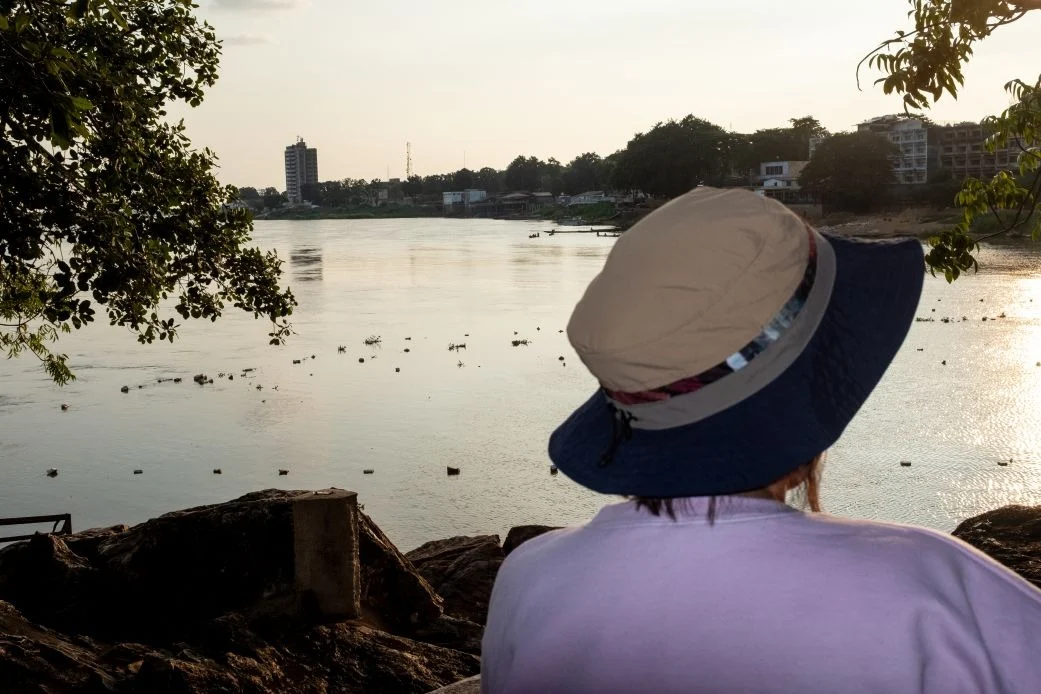
Since arriving in Bangui, the capital of the Central African Republic, Nika has lived in fear, rarely leaving her apartment. She reports being targeted by local police for bribes and has suffered from health issues, including a bout of malaria. The US State Department currently advises against travel to the country due to high risks of terrorism, kidnapping, and disease, even suggesting that travelers leave DNA samples in case of death.
The logistical and financial details behind these deportations remain largely opaque. While the US has significantly increased its financial support to the Central African Republic—providing $85 million to the International Organization for Migration (IOM) operations in the country this year, alongside $50 million for a humanitarian fund—the State Department has hinted that this aid is linked to the acceptance of deportees. A DHS spokesperson confirmed that the US utilizes foreign assistance to support nations that help achieve its immigration priorities. The IOM stated it has a long-standing presence in the region and receives funding from various donors, but it declined to comment on specific deportation arrangements.
The situation for those sent to the country is precarious. Nika and her fellow deportees were granted only a temporary, three-month stay. Following a second deportation flight on July 31 that brought 31 additional individuals to the country, there is growing concern that migrants will face forced repatriation to their home countries once their temporary housing expires. Nika remains skeptical of her chances of survival should that occur. Meanwhile, her legal counsel is pursuing a federal lawsuit to challenge her deportation and reopen her asylum claim, leaving her in a state of limbo as she waits for a potential path back to safety. The report also notes that telling her story for the first time, Nika says she spent much of her youth protesting against the Iranian regime. The report also notes that and some of them are still in prison,” she said tearfully. The report also notes that “I know if I was in Iran, they’re going to kill me.”. The report also notes that killing thousands, the regime launched an unprecedented crackdown. The report also notes that president Donald Trump encouraged protesters to “take over your institutions” and said, “help is on its way.”. The report also notes that the US and Israel launched a war on Iran, killing Supreme Leader Ayatollah Ali Khamenei and attacking targets across the country, on the last day of February. The report also notes that in reality her fate had already been decided.