




French officials have implemented a ban on protests across several major cities, including Paris, Lyon, Lille, and Grenoble, amid concerns over escalating civil unrest. The restrictions, which in Paris prohibit gatherings in central areas until 8pm GMT on Thursday, follow widespread violence that saw at least 2,500 individuals arrested nationwide. The Paris Police Prefecture announced that Thursday’s protests would be banned in key parts of the city until 8pm (18:00 GMT). Both houses of parliament, the city’s main train stations, as well as parts of downtown where looting occurred over the weekend, that includes areas near the presidential Elysee Palace. At least 2,500 people were arrested after riots broke out in several areas, with shops looted.
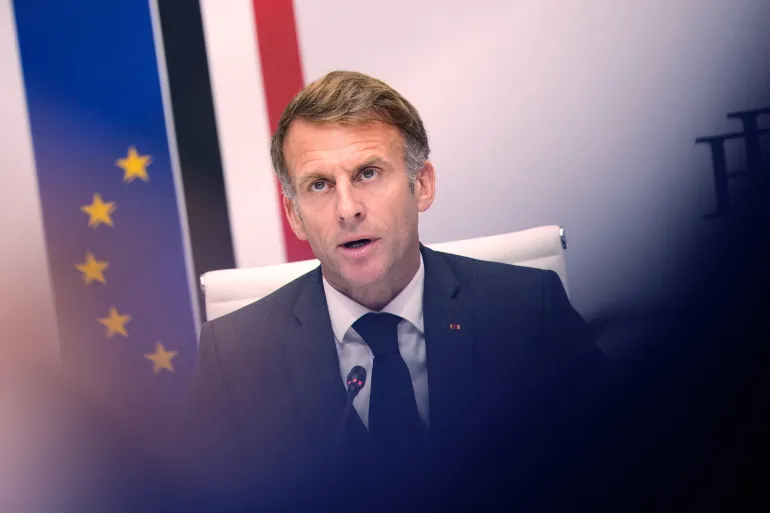
President Emmanuel Macron addressed the crisis from the Elysee Palace, publicly attributing the recent riots to the actions of what he termed “ultra-left” groups.
He accused these factions of engaging in “seditious acts” with the deliberate intent to destabilize the Republic.
During a meeting on Thursday morning with intelligence officials, Prime Minister Sebastien Lecornu, and various ministers, the president sought an assessment of the security failures that occurred over the weekend.
A police source cited by the AFP news agency indicated that the decision to enforce the bans stemmed from a proven “inability to prevent violence and vandalism” during earlier demonstrations. These events initially began last month as localized strikes and school blockades in Creteil, driven by student grievances over staff shortages, underfunded facilities, and poor conditions in lower-income areas. From there, class strikes, blockades and demonstrations spread to other Paris suburbs and then nationwide, including in smaller towns.
The movement has since evolved into a broader protest against rising living costs. On Saturday, more than half a million people joined in marches that ultimately resulted in widespread looting. Prime Minister Lecornu, who met with union leaders on Wednesday without reaching concrete agreements, confirmed that a “massive” security operation is being prepared for the upcoming Saturday to prevent further riots.
As part of the government’s response, Macron stated that all “illegitimate” protests will be outlawed in the coming days. Authorities have also mandated that any sanctioned demonstrations led by organized bodies, such as labor unions, must follow alternative routes outside of major city centers to protect businesses. The president is set to convene a defense council on Friday to discuss further potential measures.
Tensions remain high ahead of Saturday, with activists from the “yellow vest” movement expected to join the demonstrations. Meanwhile, labor unions, having failed to secure specific proposals in talks with the government, are shifting their focus toward a nationwide day of action scheduled for November 5, urging both public and private sector employees to participate. When activists from the “yellow vest” movement, whose demonstrations over fuel prices shook France in 2018 and 2019, are expected to join, thursday’s planned protests were seen as a prelude to a large demonstration on Saturday.