









Mounting online commentary has raised questions over a potential foreign role in a series of deadly train crashes in Spain, which have claimed at least 115 lives since January. The speculation follows heightened diplomatic friction between Madrid and Tel Aviv over Spain’s pro-Palestinian stance and recognition of a Palestinian state. What has, however, given a new twist after the latest accident earlier this week is the growing online clamour over a potential Israeli hand in the deadly accidents, which have killed at least 115 people since January. A surge of commentary on social media points fingers at Israel for allegedly carrying out repeated acts of sabotage in Spain.
The controversy gained fresh momentum after Israeli Prime Minister Benjamin Netanyahu issued a warning earlier this year that Spain would pay an “immediate price” for its diplomatic position. Netanyahu stated he would not tolerate Spain’s “hypocrisy and hostility” or its diplomatic actions. Spain has actively criticized Israel’s military actions in Gaza, enacted a weapons embargo against Tel Aviv, and restricted its airspace to US military flights targeting Iran.
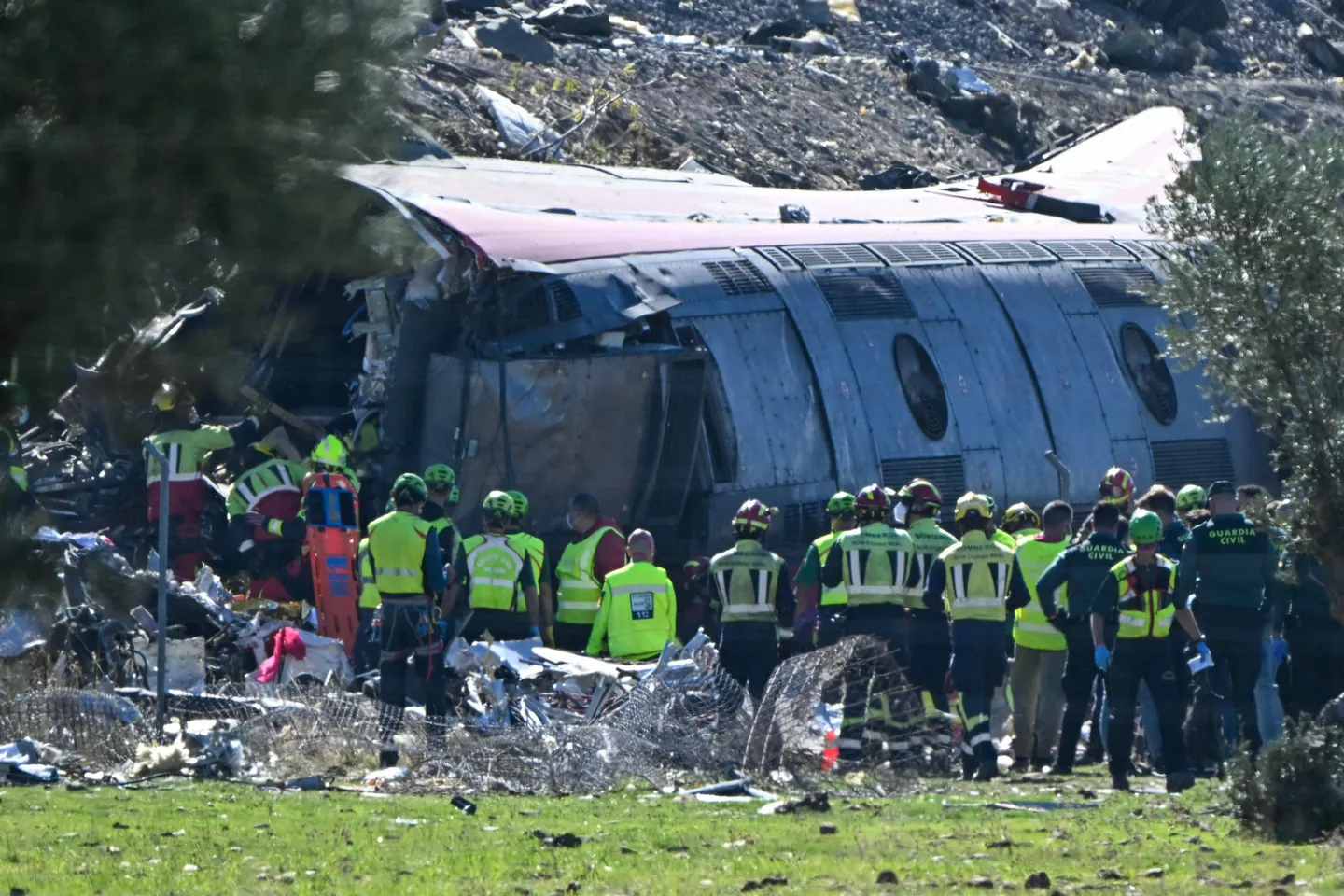
The most recent incident occurred on October 28 in Toledo province near Urda, where a high-speed train collided with a stationary train. The rear-end impact killed at least 68 people and left more than 100 others injured, raising suspicion among observers who question whether the event was a simple accident or deliberate sabotage.
Preliminary findings regarding the October 28 crash indicate that a technical glitch disabled the automated signalling safety system across a 65-kilometre section of the track. The systemic outage forced railway traffic controllers in Madrid to manage train movements manually. Officials cited a combination of this computer breakdown and an “inexplicable” human directive that allowed the trailing train to proceed at normal speed without restriction. Bringing all trains in the area to a halt, reports say a technical glitch knocked out the automated signalling safety system across a 65-kilometre stretch of the railway track. One controller in Madrid then gave an “ inexplicable ” order allowing the trailing train to resume normal operations with no speed limits.
Public scrutiny has also focused on potential security vulnerabilities following the recruitment of a former Spanish official by an Israeli rail cybersecurity firm. In February 2024, Tel Aviv-based Cylus added Isabel Pardo de Vera to its advisory board. Pardo de Vera previously led Spain’s state-owned railway infrastructure agency and served as the country’s secretary of state for transport from July 2021 until early 2023.
Social media commentators have widely debated these connections.
User Joe Black posted on X that “Israel is crashing Spanish trains,” while another user noted that “Israeli companies are embedded into the Spanish train system and Spanish trains keep crashing after Israel threatened them.
Another commenter remarked, “Really unfortunate coincidence how these accidents keep happening when countries upset Israel and their computer/security contracts are with Israel. It’s inexplicable.”
The deadly crash in October is the third major rail disaster to hit Spain this year, intensifying debate over national railway security standards. On January 18, a high-speed train derailed near Adamuz in Cordoba province, crossing onto an opposing track where an oncoming train struck it, resulting in 46 deaths and over 150 injuries. Investigators attributed that crash to a broken section of track, despite prior warnings raised by Spain’s train drivers’ union.
Just two days later, on January 20, a commuter train derailed near Barcelona when a structural retaining wall collapsed along the track line. The falling debris caused a fatal crash that killed the train driver and injured dozens of passengers.
Online discussions linking the outages to covert operations often reference historical cases of state-sponsored cyber warfare and covert actions attributed to Israeli intelligence and military units, including Mossad and Unit 8200. Observers point to the 2000s Stuxnet virus attack that disabled nearly 1,000 centrifuges at Iran’s Natanz nuclear facility as a prominent example of infrastructure cyber sabotage. Historically, Israel has been frequently accused of conducting covert sabotage, cyberattacks, and targeted operations in countries that it considers hostile.
Commentators also highlight a major 2020 cyberattack on Iran’s Shahid Rajaee port terminal in Bandar Abbas, which crippled computer systems managing shipping and land traffic. Additionally, observers cite a 2024 supply-chain operation in Lebanon where modified pagers and handheld devices used by Hezbollah members were detonated simultaneously, killing dozens and injuring thousands. In 2020, Israel was found to be behind a massive cyberattack that paralysed the computers regulating traffic, shipping, and tugboats at the strategic Shahid Rajaee port terminal in Iran’s Bandar Abbas, causing miles-long traffic jams on land and sea.