


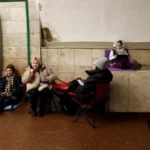




A rare humanitarian ceasefire in the frontline Kherson region, which provided a window for civilians to flee the Russian-occupied city of Oleshky, concluded on Sunday evening at 22:59 Ukrainian time. The localised ceasefire was due to end at 22:59 Ukrainian time (21:00 GMT). Watch: Evacuees from Oleshky reunited with their families.
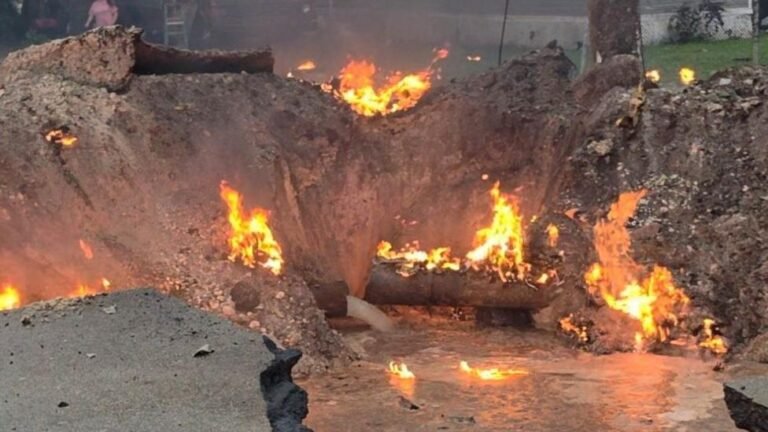
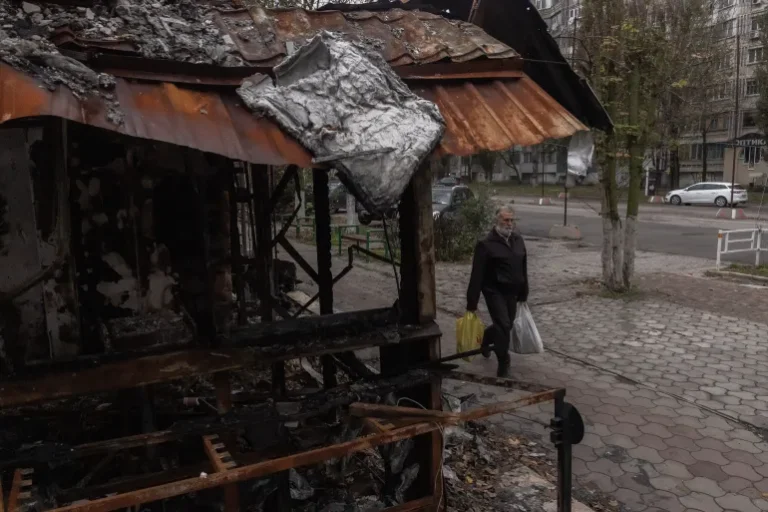
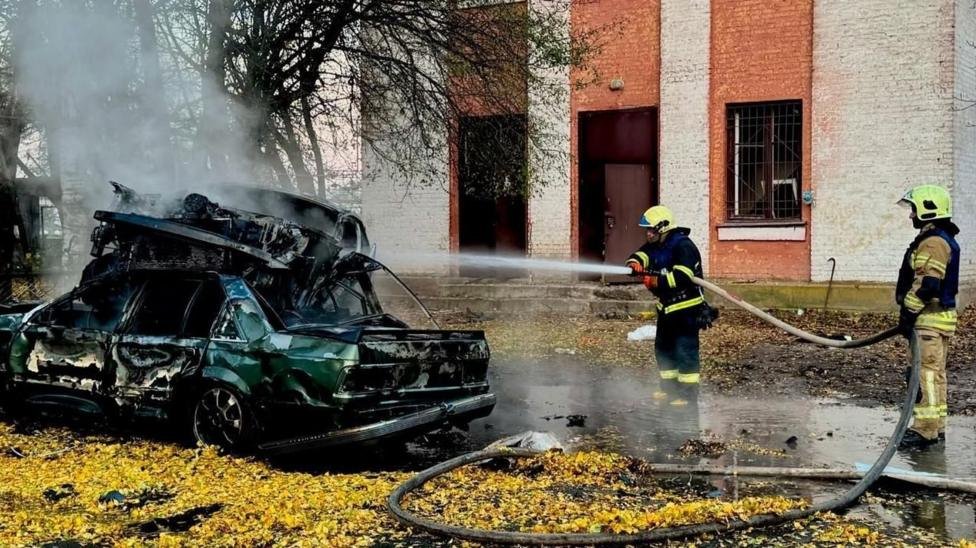
While the localized pause in fighting held since its implementation last week, the broader conflict remained intense. President Volodymyr Zelensky reported that Russian forces targeted energy infrastructure across four regions during overnight strikes on Saturday, resulting in widespread power outages for hundreds of thousands of households. Emergency power cuts have been introduced across the country, because of regular attacks on energy infrastructure.
In the Vinnytsia region, a separate overnight attack claimed two lives, including a 13-year-old girl, according to the State Emergency Service of Ukraine. Meanwhile, Ukrainian forces conducted a retaliatory strike against a major missile fuel production facility in Russia’s Rostov region, triggering a fire that damaged four separate production buildings.
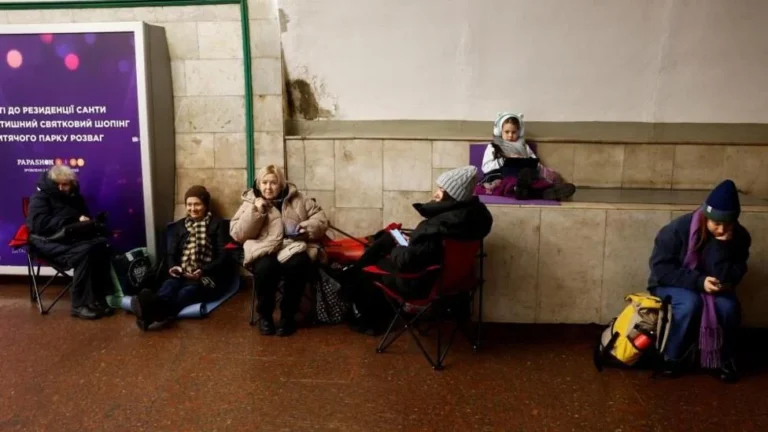
Repair crews worked throughout the day to restore grid stability. By early evening, the governor of the Dnipropetrovsk region noted that most power connections had been fixed, though more than 60,000 customers remained without service. Emergency power restrictions have been enforced nationwide, with residents in Kyiv facing extended periods without electricity and disrupted water access. But called again for more immediate aid, he thanked countries for their support so far and longer-term commitments.
President Zelensky characterized the recent surge in Russian airstrikes as having an “extremely high” intensity.
He alleged that Moscow is seeking to exploit the current shortage of ballistic missile interceptors. He reiterated his administration’s daily appeals to the United States, European nations, and other international partners for urgent supplies of Patriot missile systems, which he described as the only effective defense against Russian ballistic weapons.
The humanitarian pause, which began last Tuesday, was facilitated by negotiations involving Pope Leo and US First Lady Melania Trump. Initially restricted to Oleshky—which has been under Russian occupation since February 2022—the truce was eventually widened to encompass the broader Kherson region. Which has been occupied by Russia since the first days of Russia’s full-scale invasion of Ukraine in February 2022, and was expanded across the wider region of Kherson, it was originally confined to the city of Oleshky.
For residents of Oleshky, the evacuation was the only escape from a dire situation. Trapped between the Dnipro river and Russian forces, the city had been heavily mined and monitored by drones, leaving civilians to survive on scarce food and water. Some reported cooking garden weeds to stave off starvation.
The evacuation route was complex; although Ukrainian military positions were located just 5km away, civilians were forced to travel through Russian-held territory into southern Russia. From there, they flew to Belarus before being transported across the northern Ukrainian border. Dmytro Lubinets, Ukraine’s human rights ombudsman, noted that the age range of those who escaped spanned from one-year-olds to a 94-year-old. But evacuees had to travel through Russian-occupied territory to southern Russia, where they flew to Belarus, before finally being driven across U, there are Ukrainian military positions just 5km (3.1 miles) from Oleshky. And there were emotional scenes on Saturday of reunions between loved ones who hadn’t seen eachother for years, the truce allowed for Oleskhy residents to evacuate if they wanted.