







The ongoing conflict in Gaza has deeply disrupted the lives of Palestinian men, forcing a profound shift in their societal roles, emotional well-being, and family responsibilities. For many, the war has not only destroyed their physical homes but has also dismantled their sense of self-worth tied to their professional and personal achievements.
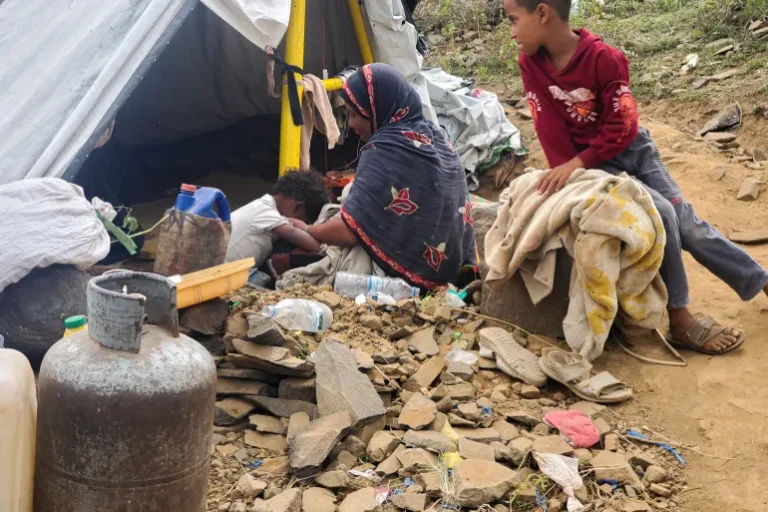
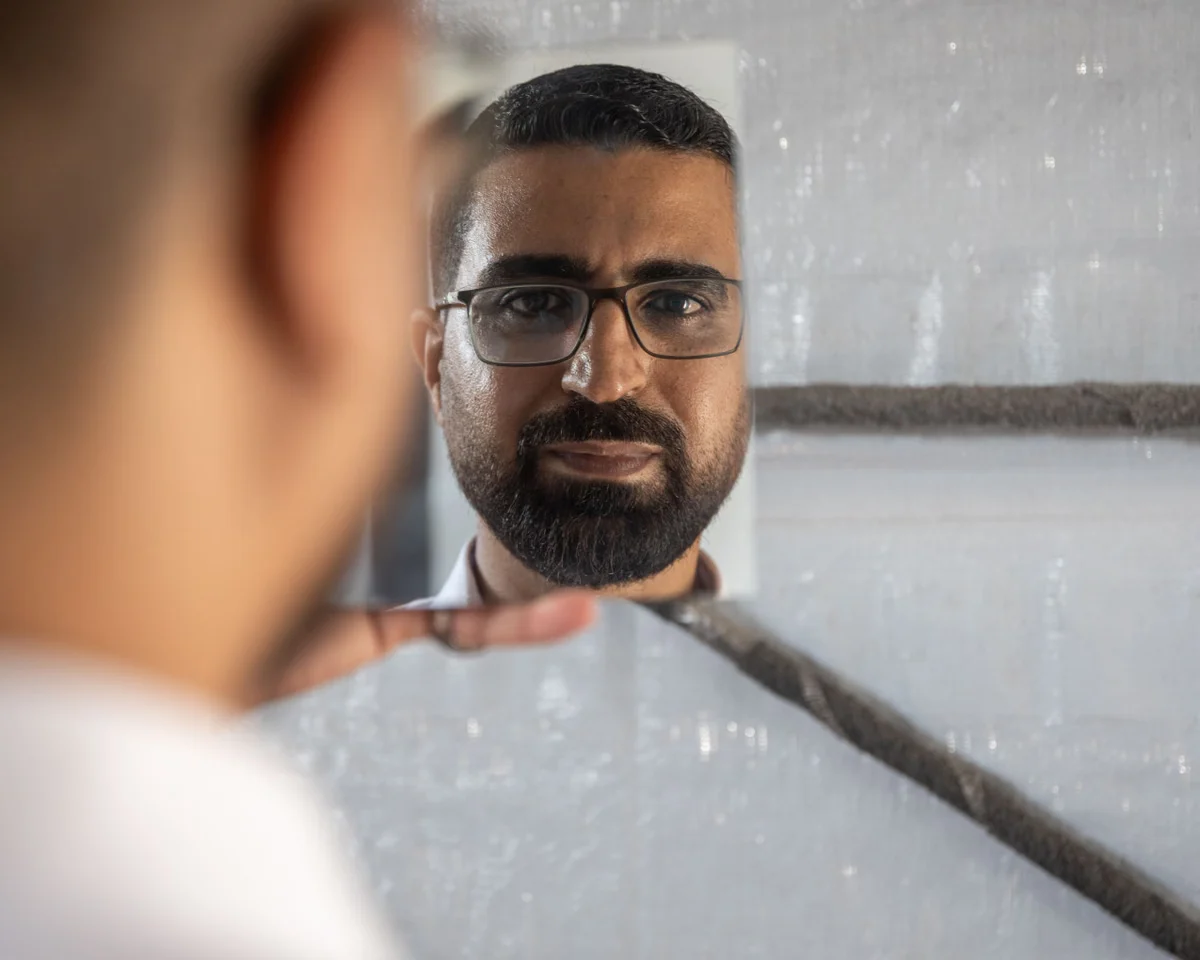
Before the conflict erupted, 39-year-old Ahmed was a dedicated professional pursuing a PhD in fact-checking while balancing roles as a radio presenter, editor, and researcher. Describing the war’s impact, he says it “blew our lives apart completely.” Having been displaced with his parents and siblings since May 2024, Ahmed now lives in a tent where the lack of privacy has introduced a pervasive “emotional silence” between him and his wife. He struggles with his transition from provider to a father who must shield his children from a reality where they have never experienced the security of walls or a proper bed.
Ahmed reflects that he no longer feels like the “pillar of his family,” noting that as a man, he had previously tied his self-appreciation to his intellectual and professional output. While he strives to project reassurance, he often finds himself lapsing into silence, describing this internal struggle as the “price of manhood in the catastrophe of this war.”
The toll is equally severe for 40-year-old Nidal, who once managed a mobile phone and appliance business in Gaza City. Following an initial Israeli missile strike that claimed his sister-in-law, a second strike on a school where the family sought shelter killed his daughter, Malek. Nidal and his surviving family members currently reside in a tent near the rubble of their former apartment block. He expresses a profound sense of helplessness, stating that the war has stripped him of his child, his home, and his financial stability.
Nidal admits that he is now a different person—more prone to anger and struggling with his own identity. “I can’t stand anyone and can’t even stand myself,” he says. He describes the agony of being a father who feels unable to provide, lamenting the heartbreak of breaking down in front of his children.
For younger generations, the trajectory of life has been forced into a desperate reset. Hussein, 24, was a university technology student conducting AI workshops before his home was bombed, an event that left his father injured and his sister-in-law hospitalized for six months. Starting from zero, Hussein adapted by repairing and selling mobile phones. Despite his resilience, he harbors deep shame about his current living situation and refuses to consider marriage until he can provide a home with running water and privacy. He remains determined, however, that his generation must be the ones to rebuild and restore the land.
Conversely, 22-year-old Hamza, formerly a second-year medical student in Jabaliya, found a sense of purpose by volunteering as an emergency frontline doctor despite his lack of formal qualification. Facing a shortage of neurosurgeons, he performed critical tasks under immense pressure, which he views as a heroic effort. This proximity to death and shared hardship has brought his family closer together, leading him to rethink his original plans for his future.
While Hamza had previously prioritized his education and professional goals over family life, the loss of relatives has shifted his perspective. He now feels a greater urgency to start a family, explaining that when individuals face the prospect of extinction, they are naturally drawn to reproduce. “We have lost so much; there’s a feeling that we want to compensate,” he says, highlighting the complex intersection of trauma and the enduring desire for continuity in the face of ongoing instability. The report also notes that editor of a local factchecking website and researcher at an academic centre, he was pursuing a PhD in factchecking and had three jobs: as a radio presenter. The report also notes that now he spends hours standing in line to fill water jugs or use the bathroom, where previously he would spend hours lost in research. The report also notes that in May 2024, they were all forced to evacuate their homes and have lived in tents ever since. The report also notes that “Before, the home was a private kingdom, a place to decompress at the end of the day, to speak freely. The report also notes that everyone can hear; they can’t discuss and work through issues as they used to.”. The report also notes that but privately wonders what new hardships the war will bring and often lapses into silence. “That is the price of manhood in the catastrophe of this war.”, he says he tries to make them feel that “everything will be OK”. The report also notes that back in 2023, Nidal, 40, says he ran a small business out of a storage room in his block of flats in Gaza City, selling mobile phones and home appliances on credit. The report also notes that he used to spend his days going from door to door collecting payments. “It wasn’t just work.