










Navigating the digital landscape in 2026 has become an exercise in patience, yet we have lacked the specific vocabulary to describe the daily irritants that define our tech-heavy lives. While we often focus on major innovations, the smaller, persistent annoyances—what we might call “dickovers”—are just as pervasive. From the forced integration of AI into every digital corner to the endless cycle of proving our humanity to machines, our relationship with technology has become increasingly strained.
The ubiquity of AI is perhaps the most immediate frustration. It is now nearly impossible to avoid AI-driven features, whether it is an unhelpful AI overview cluttering search results, Instagram generating AI images, or Spotify’s AI DJ interrupting your music. This trend extends to voice assistants; my own car recently switched from Google Assistant—which would simply say, “Sure, navigating to KFC”—to Google Gemini. Now, it insists on a verbose, “OK, great. I’ve noticed a number of locations within 100 miles of you that contain the letters ‘K’, ‘F’ and ‘C’. Give me a little more information on where you’re heading and I’ll get straight to showing you the way.”
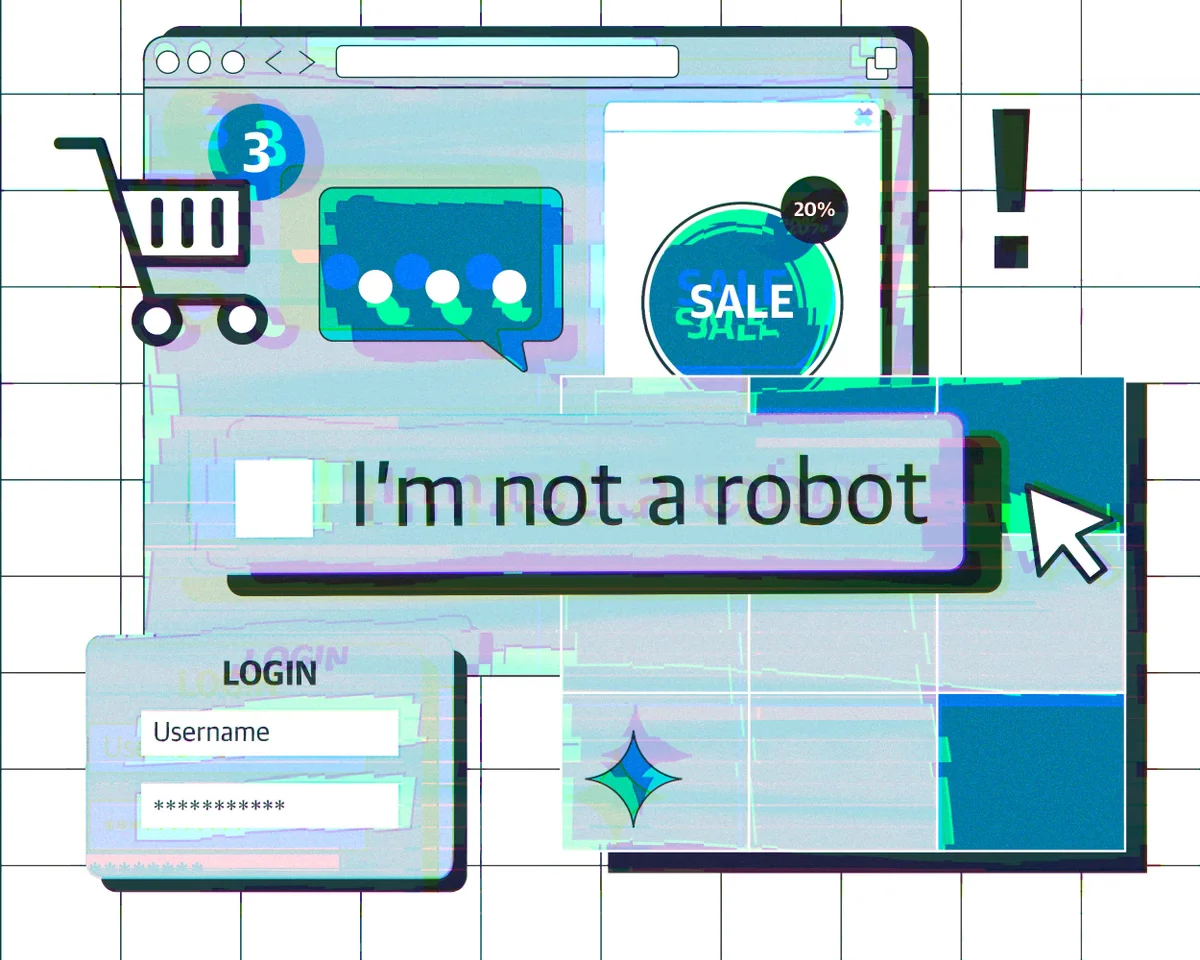
We have also collectively wasted millennia convincing robots that we are not robots. We spend our days clicking on bicycle parts in captcha grids, sliding jigsaw pieces into pixelated holes, or repeatedly checking a box that says “I am not a robot.” This digital gatekeeping is matched by the predatory design of subscription services. In 2026, cancelling a service should take a single click, yet companies often force users through a gauntlet of desperate, pleading pages: “A pause? A discount? Please, we love you!”
Online shopping has similarly devolved into a needy, high-pressure experience. After adding an item like a £140 yoga mat to your basket, you might regain clarity and decide against the purchase. The site then bombards you with messages: “You accidentally left something in your basket!” followed by, “Don’t forget that yoga mat you liked! Please buy it! I have children to feed! Why do you hate me?” This mirrors the “yes-man” nature of large language models, which prioritize retention by agreeing with everything a user says. While this can feel personalized, it leads to absurd results, such as ChatGPT suggesting that icing a cake with ham would be “unconventional, but potentially delicious.”
Social etiquette is also evolving to address the uncertainty of online customer service. When you engage in a chat, you are often left wondering if you are speaking to a human or a bot. Furthermore, the invasive nature of data tracking can feel unsettling; a family member discussing an alarm pendant for a fall-risk relative will find their devices suddenly flooded with targeted advertisements for such products, despite never having searched for them.
Password management remains a persistent headache. When your phone suggests a “strong password,” your laptop often fails to remember it, leaving you struggling to recall a complex string of ampersands and semicolons. This is compounded by websites that hide their specific character requirements until you have already failed to log in. Meanwhile, email marketing has become relentless. After a one-off purchase of a sofa, you are subjected to a barrage of follow-up emails, despite the transaction being complete.
Practical daily tasks have also become more complex. Parking now requires navigating a variety of competing, random apps rather than simply using coins at a meter. Similarly, the shift away from physical train tickets is environmentally sound but creates logistical nightmares at ticket barriers, where passengers are frequently trapped behind others struggling to load digital passes on their phones. Even self-checkout machines, which have existed for over 20 years, remain frustrating; buying a light item like a birthday card often requires slamming it into the bagging area to register the weight.
The constant, unnecessary hand-holding of modern logistics means receiving a flurry of emails for every package—notifying you that the order is received, on the move, and at the network—while console gaming has become a subscription trap. Playing a £70 game you already own on a £500 console often requires an additional £7 monthly fee for online access. Even basic tools like autofill are unreliable; Google Chrome frequently insists on using an old, incorrect address from a past freelance job, with no clear way to update it.
Ultimately, this nostalgia for simpler times is inevitable. When I unbox new electronics in front of my children, I find myself sighing, “In my day, these used to come with plugs.” They ask if I mean real plugs that go straight into a socket, and I confirm that the past was a wonderland. Whether it is the frustration of non-functional train wifi or the endless cycle of digital prompts, our modern tech hellscape is defined by these small, persistent failures that we are only just beginning to name. The report also notes that we shouldn’t fool ourselves into thinking that dickovers are the only terrible thing about technology in 2026. The report also notes that spotify has an AI DJ that can talk between songs for some reason. The report also notes that shut up you water-guzzling idiot and give me my chicken. The report also notes that as a species, convincing robots that we are not robots, how much time do you think we have collectively spent. The report also notes that by now, we must have wasted several millennia ensuring we have clicked all the various parts of a bicycle on a captcha grid of someone’s front garden, or sliding a jigsaw puzzle precisely into a pixellated hole, or clicking a box that says “I am not a robot” as if the internet has suddenly discovered the honour system. The report also notes that listen, if we ever want to pretend to be robots, let’s do it the old-fashioned way, by covering ourselves in tinfoil and beep-booping our way into an enemy moon-lair. The report also notes that cancelling an unwanted subscription should require exactly one mouse click, in the year 2026. The report also notes that sometimes, however – US media companies are notorious for this – you are forced to make a telephone call to another human being in order to cancel.