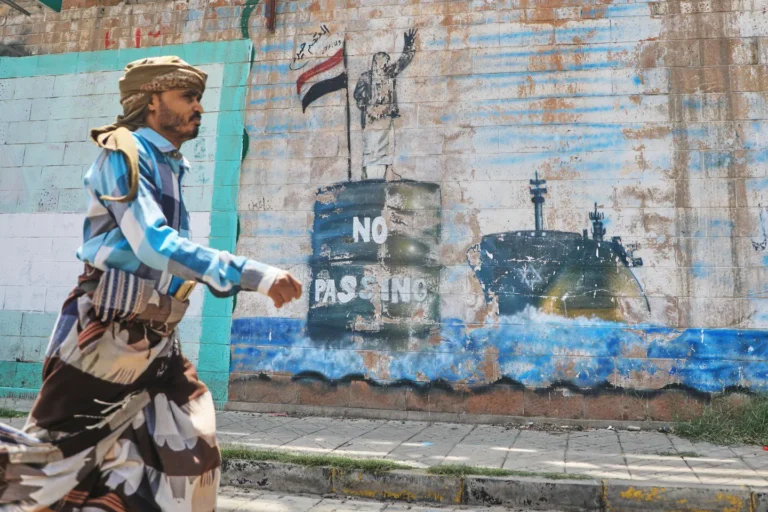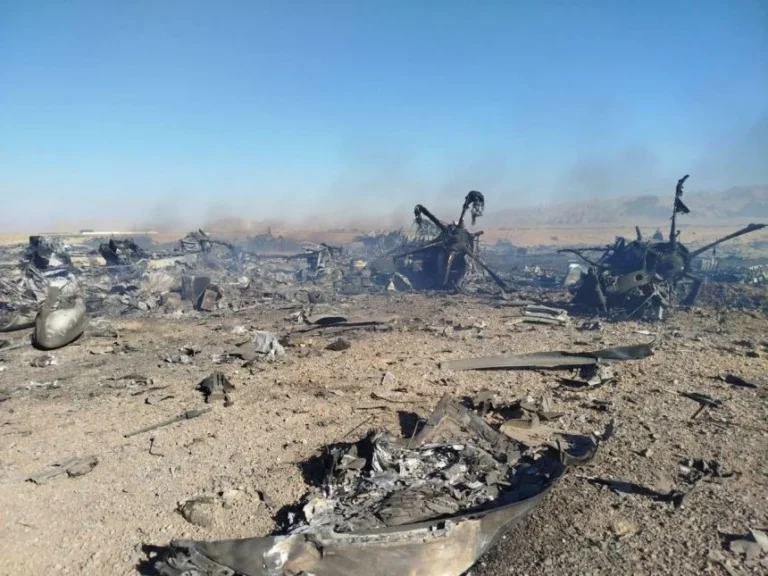








A lightning offensive by Iran-backed Houthi forces has resulted in the loss of critical territory along Yemen’s Red Sea coast, triggering a wave of recriminations among regional allies. The rapid advance, which occurred over a 36-hour period, saw Houthi fighters seize the strategic port city of Mocha and Perim Island, a vital location at the mouth of the Bab al-Mandeb Strait that grants effective control over a major global shipping artery.
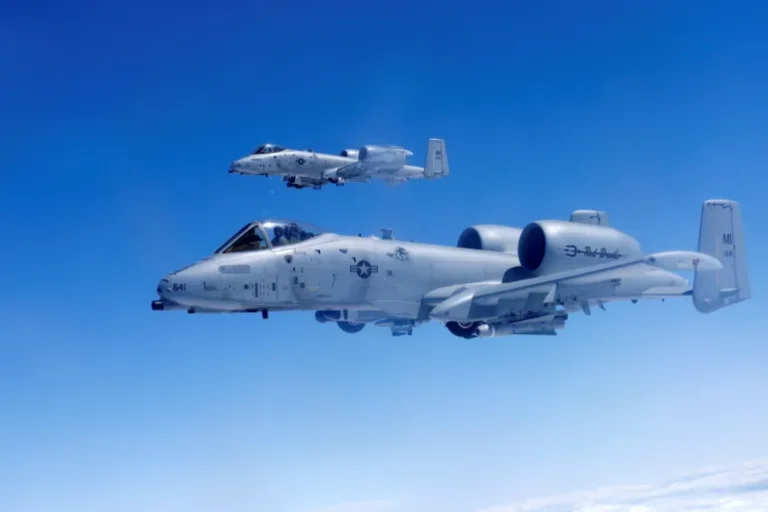
Yemeni military leaders reported that they issued urgent requests for air support starting mid-morning on Thursday as Houthi fighters launched waves of personnel, ballistic missiles, and heavy weaponry. A senior Yemeni military source stated that he reached out to the United States Central Command (CENTCOM), receiving assurances that the situation was being monitored and that Saudi-led air support was imminent. However, the promised intervention never materialized, leading to the fall of these key coastal assets.
The failure to defend these positions has sparked intense criticism of both Washington and Riyadh. One regional source described the outcome as a disaster of epic proportions, citing a complete breakdown in political leadership and a lack of decisive action from Saudi forces. Despite receiving minute-by-minute updates throughout the day, no Saudi airstrikes were launched to counter the Houthi movement. In response to inquiries, the White House stated it remains in continuous dialogue with Saudi Arabia and the Yemeni government, emphasizing a focus on protecting navigation while empowering regional partners to manage their own security challenges.
Internal divisions within the anti-Houthi coalition have further complicated the defense. Risk analyst Mohammed al-Basha noted that a lack of political cohesion and a fragmented command structure left the region vulnerable. Reports indicate that Yemeni battalions were severely depleted, with actual troop strength estimated at only 20% of official rosters, which were reportedly padded with ghost names. This vulnerability was exacerbated by the withdrawal of United Arab Emirates forces in January following a dispute with Saudi Arabia, leaving a security vacuum that was never backfilled.
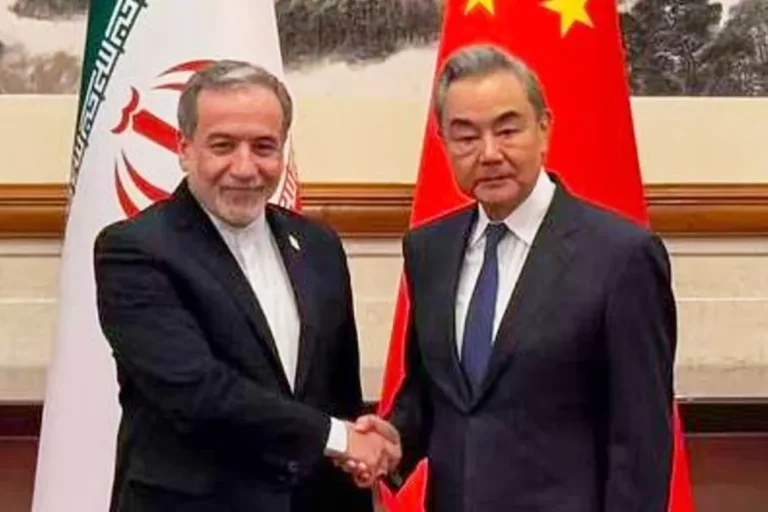
The strategic implications of the Houthi advance are significant, as the group now holds leverage over a waterway that carries millions of barrels of oil daily. Amr Al-Bidh, a top official with the Southern Transitional Council, remarked that the Houthis do not require advanced technology to disrupt shipping, noting that even basic weaponry could effectively close the strait. An adviser to Iran’s supreme leader characterized the coastal victory as a clear success, suggesting that Washington and its allies are facing the consequences of broader economic and political tensions.
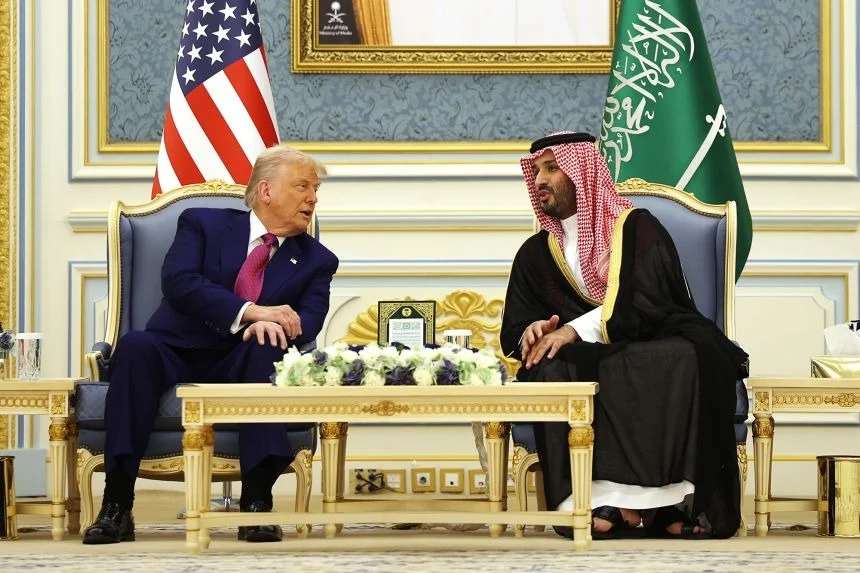
Diplomatic efforts to address the crisis included two phone calls on Thursday between Saudi Crown Prince Mohammed bin Salman and US President Donald Trump, during which the Prince reportedly urged the US to strike the Houthi positions. According to sources familiar with the discussions, President Trump declined to intervene. Meanwhile, CENTCOM chief Adm. Brad Cooper was present in Saudi Arabia for coordination meetings on Thursday, though the command declined to comment on the situation, citing operational security.
Western sources familiar with the battle noted that while the Saudi military had been placed on high alert three weeks prior, they failed to deploy the necessary personnel to coordinate combat aircraft effectively. As the Houthis continue their push toward the east, the lack of a unified response has left the future of the region’s security in doubt, with analysts warning that the conflict has entered a volatile new phase that could further impact global energy markets. The report also notes that the desperate pleas for air cover from Yemeni generals started coming mid-morning on Thursday. The report also notes that the Houthis’ rapid advance amounts to an extraordinary 36 hours in a conflict that had been largely on ice for years. The report also notes that as Tehran seeks to use oil prices – and their impact on the global economy – as leverage, but the kindling for renewed fighting had been laid for months amid the conflict between the United States and Iran. The report also notes that Yemen and the Red Sea have the potential to become a true second front in the Iran war. The report also notes that as Saudi Arabia has re-routed some exports through the waterway to bypass Hormuz, the strait has become increasingly important since the start of the Iran war. The report also notes that and wants an independent state in the south, the STC has fought both the Houthis and Saudi-backed forces in the past. The report also notes that “It’s a leverage that they have without using advanced weapons,” Al-Bidh said in an interview.