









A federal ban on Canadian alcoholic beverages took effect on Tuesday, marking an extraordinary development in a deteriorating trade relationship. The move targets imports that reached $800 million last year and represents a significant escalation in an ongoing dispute that has already seen sky-high tariffs and existing restrictions on American spirits within Canadian provinces, particularly Ontario. The ban, which impacts $800 million worth of Canadian alcoholic beverages the US imported last year, marks the latest salvo in a tit-for-tat trading war that already includes sky-high tariffs and a ban on US booze in Ont. Demonstrating how an escalatory tit-for-tat cycle gets out of hand, and now US officials are responding to that response.
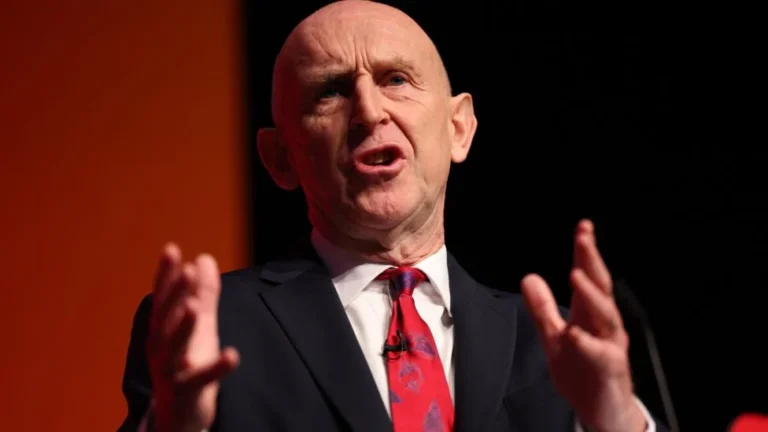
President Donald Trump has expressed optimism that the pressure will force Canada to negotiate, telling reporters on Monday that he expects Canadian officials to propose a deal to remove all tariffs within the next three or four weeks. However, Canadian Prime Minister Mark Carney has not indicated any such intention. Regarding the stalemate, Trump argued that Canada has treated the United States unfairly and claimed the neighbor is eager to reach an agreement.
The policy relies on Section 338 of the Smoot-Hawley Tariff Act of 1930, a law historically associated with the Great Depression. The statute permits the president to enact bans or tariffs up to 50% if a nation discriminates against American commerce. Because no prior administration has applied this law in such a manner, the legal requirements for its enforcement remain untested in court. Beyond alcohol, the administration has extended these measures to include Canadian motorcycles and certain dairy products, such as whey, bringing the total value of restricted goods to nearly $1 billion based on federal data from the previous year.
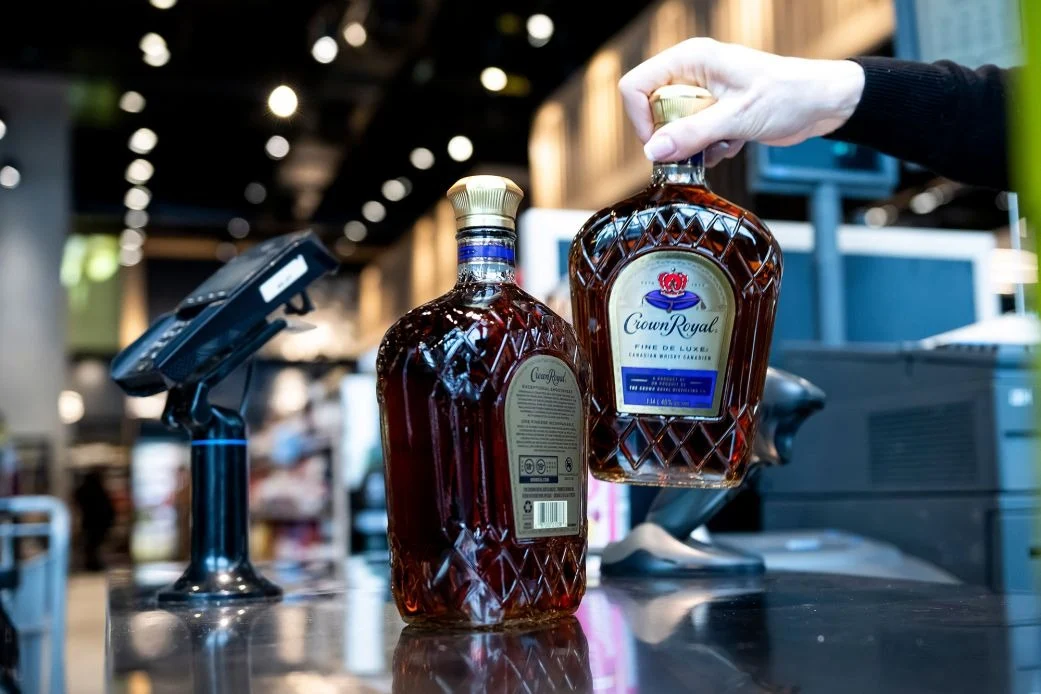
Despite the formal restriction, immediate disruption for American consumers may be limited. Distributors had the opportunity to stockpile Canadian products before the deadline, and specific exemptions apply to bulk shipments. Whisky and liqueurs, which constitute primary Canadian exports to the US, are exempt from both the ban and potential tariffs if they arrive in containers larger than four liters. Crown Royal is positioned to navigate these rules, as the company already imports bulk whisky for domestic bottling. Nevertheless, smaller producers face potential cost increases if they must adapt to these specific packaging requirements. Then rebottling smaller sizes more commonly sold in liquor stores, but making that switch requires having the right containers on hand or sourcing them from scratch. All that could add to businesses’ costs – and potentially get tacked on to the prices consumers pay.
Industry experts warn that the policy shift is a major deviation from standard trade practices. Inu Manak, a senior fellow at the Peterson Institute for International Economics, described the use of import bans against a close ally as unprecedented and symbolic, serving primarily as a tool to bring negotiators back to the table. Manak noted that the conflict originated with US tariff threats, to which Canadian provinces responded by limiting American products. Statistics from the Distilled Spirits Council of the United States (DISCUS) indicate that exports of US spirits to Canada plummeted 70% following those measures in March 2025. With the quickly evolving trade picture with Canada, anything can change on a moment’s notice, at the same time.
The impact of the trade war is felt deeply by those in the business sector. Chris Swonger, CEO of DISCUS, lamented that the industry has been drawn into a political confrontation, noting that approximately 93% of Canadian spirits were exported to the US in 2025, a reliance that he warns will be devastating for Canadian distillers. Swonger characterized the provincial bans on US alcohol as an unforced error and stated the council is working to facilitate talks between the two governments.
At the local level, business owners near the border are expressing concern. A manager of a liquor store in Niagara Falls, New York, highlighted the reliance on Canadian clientele and products, stating the restrictions are detrimental to local commerce. Similarly, employees at a shop in Port Huron, Michigan, reported a significant decline in cross-border traffic over the past year, noting that the ongoing instability and reduction in the customer base have created an uncertain future for retailers who previously specialized in Canadian spirits. According to this is not good for business,”, The manager, who spoke on the condition of anonymity. “People have freedom to drink, right?”.