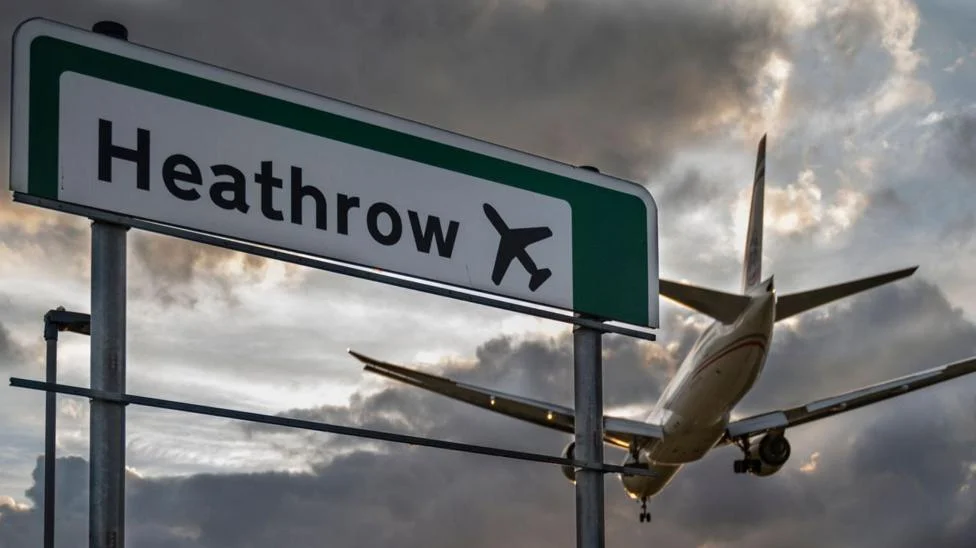









Heathrow Airport, which facilitates travel for over 80 million passengers annually through two runways and four terminals in west London, has cautioned that the development of its third runway could be delayed by four years. Although the government previously targeted a 2035 opening for the estimated £49bn project, the airport indicated that regulatory and planning hurdles make meeting this date increasingly difficult. But Heathrow sees this deadline as increasingly difficult to deliver without further steps to simplify the planning process.
The airport now aims to secure planning permission by 2029, with a goal to open the new runway within a decade of that milestone. While the expansion remains a subject of intense debate, supporters argue it will deliver significant economic advantages.
Projected Economic and Expansion Benefits
- Job Creation: Expected to generate at least 108,000 new employment opportunities across the UK.
- Investment: Billions of pounds are projected for investment in supply chains nationwide.
- Capacity Growth: Annual flight limits could rise from 480,000 to 720,000, averaging nearly 2,000 daily.
- Financing: The initiative is described as a national project funded entirely by private capital.
The construction remains controversial, requiring the demolition of hundreds of homes, the diversion of local rivers, and the rerouting of the M25 motorway through a tunnel beneath the new runway. Opposition persists from environmental campaigners, local resident groups, and London Mayor Sadiq Khan, who has consistently cited concerns regarding noise, air quality, and climate impact. The project is expected to create around 100,000 jobs and provide a major boost to the economy, despite attracting wide opposition from environmental campaigners and local resident groups from neighbouring areas. Diverting rivers, and rerouting the M25 motorway between junctions 14 and 15 through a tunnel under the new runway, the expansion would mean demolishing hundreds of homes. Currently capped at 480,000 a year, could go up to 720,000 – or nearly 2,000 a day on average, the number of flights from the airport.
Political alignment on the expansion has fluctuated over time. Former chancellor Rachel Reeves signaled government support in January 2025, and Prime Minister Andy Burnham has described himself as open-minded toward the scheme. A draft planning framework was released for consultation in June, though the final version must undergo a parliamentary vote, which reports suggest could be pushed to 2027.
The Department for Transport (DfT) stated that the original timeline was always ambitious and confirmed it would continue working with stakeholders at pace. A DfT spokesperson emphasized that no live planning application currently exists, noting that the government cannot comment on ongoing consultation processes in a way that might prejudice or further delay the outcome.
Heathrow leadership remains optimistic, citing the current chancellor’s efforts to remove regulatory bottlenecks as a positive step. A spokesperson for the airport maintained that early expansion is essential for national benefit, promising to work closely with ministers and airlines to progress the planning application efficiently.
Important Details
- According to they, The benefits would involve “at least 108,000 new jobs and billions of pounds invested in supply chains in every part of the country”.
- This is a national project, 100% privately financed which will support growth today and secure the UK’s position in the global economy once the runway opens.
- Serving more than 80 million travellers a year with its four passenger terminals and two runways, heathrow is the UK’s busiest airport.