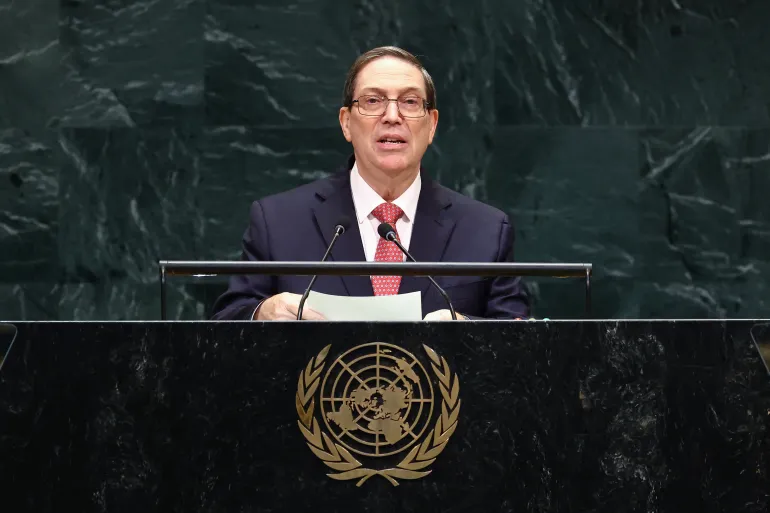







Cuban Foreign Minister Bruno Rodriguez has formally denounced the United States’ ongoing oil blockade against his nation, labeling the restrictive measures an “act of collective punishment” designed to precipitate a humanitarian crisis. During his address at the United Nations General Assembly, Rodriguez emphasized that while Havana faces severe pressure from fuel shortages and basic supply deficits, the government remains open to diplomatic solutions.
The foreign minister stated that Cuba has always been prepared for dialogue to resolve bilateral disputes, provided that any potential talks are grounded in the principles of “sovereign equality” and proceed without preconditions. Regarding recent speculation over potential conflict, Rodriguez acknowledged the risks, stating that he hopes US military intervention—which would result in immense destruction—never comes to pass. “Let’s hope that this never happens,” he said. Saying it would cause huge destruction, rodriguez also addressed the possibility of US military action.
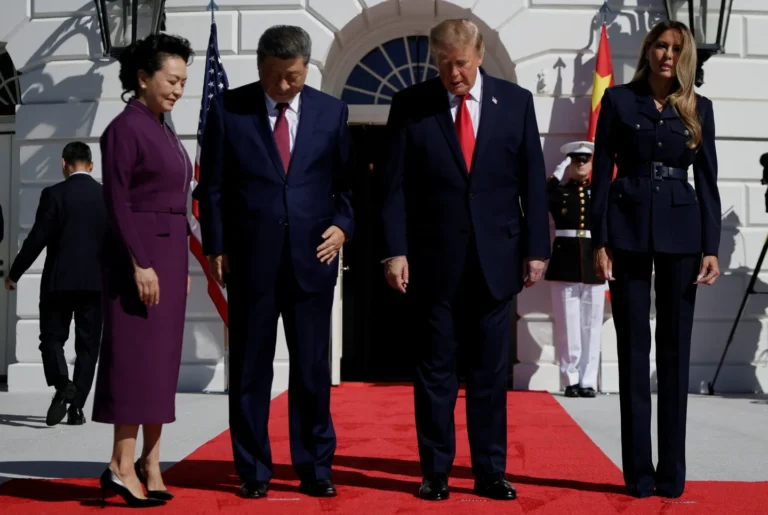
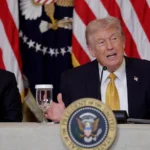
President Donald Trump, speaking to reporters at the White House on Saturday, offered a different outlook on the relationship. He suggested that a deal between the two nations is possible, noting, “I don’t think we’ll need the military. Cuba is failing very badly. We want to help.” These remarks followed Trump’s own address to the UN earlier in the week, where he characterized Cuba as an “absolutely failed state” and declared that “freedom will be coming” to the island—a statement that prompted the Cuban delegation to walk out of the session.
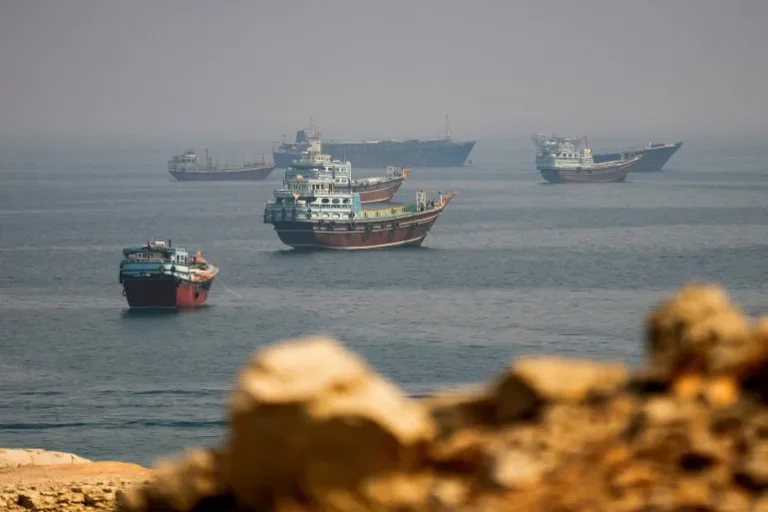
The current tensions exist within the framework of a long-standing economic embargo maintained by Washington for more than 60 years. While the current administration has openly expressed a desire for a change in Cuba’s government, the recent imposition of an oil blockade has exacerbated the country’s struggle to provide food and electricity to its population. Cuban officials have also blamed it on problems providing food and other basic needs for its population.
International pushback against these policies continues to grow, with nations including Brazil, Mexico, and Pakistan voicing opposition to the unilateral restrictions. This international sentiment aligns with a trend dating back to 1992, during which time the UN General Assembly has consistently and overwhelmingly passed annual resolutions demanding an end to the US financial, commercial, and economic embargo against Cuba.