
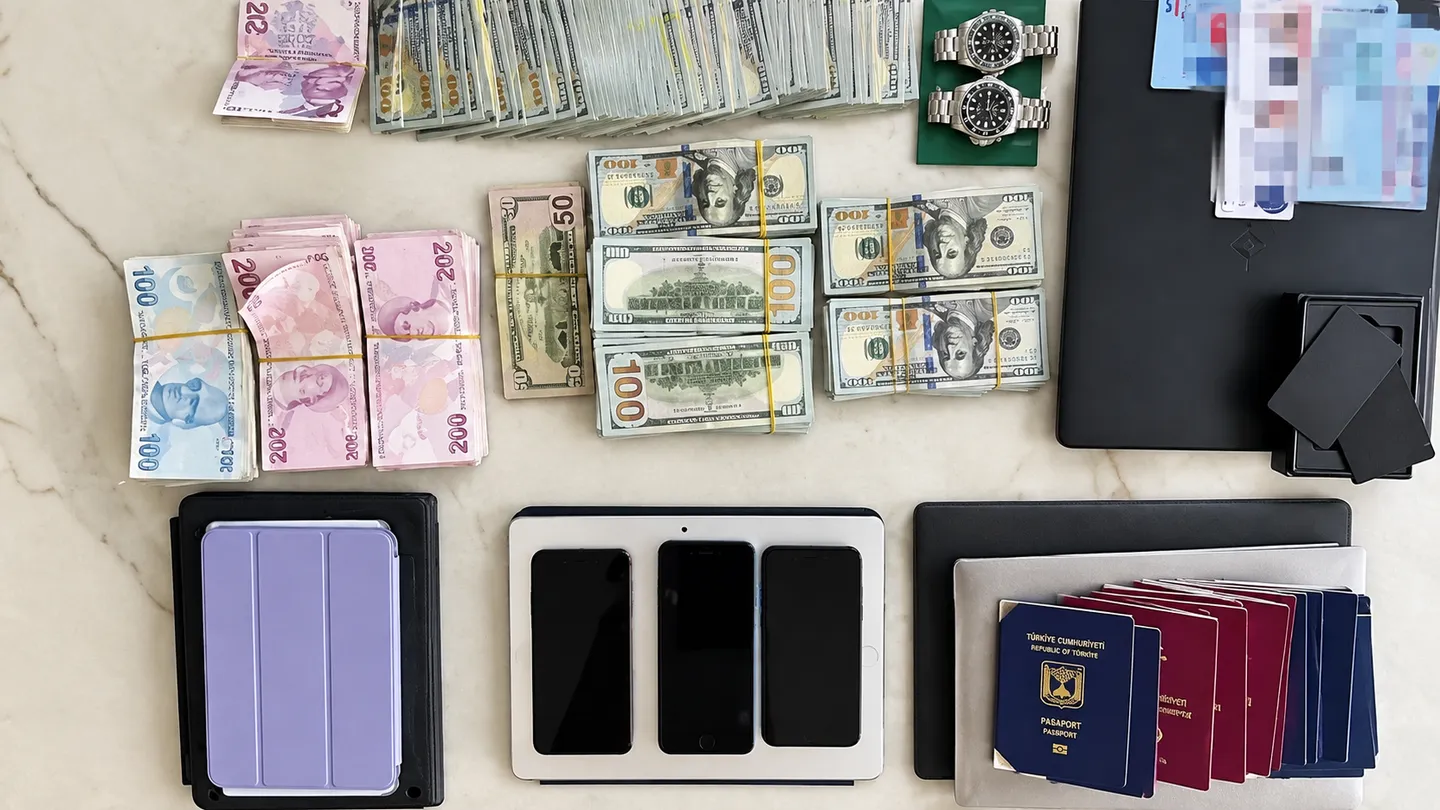







Turkish authorities, working in coordination with Interpol, have executed a massive crackdown on a sophisticated, Israel-linked global forex scam network. The operation, which focused on more than 40 offices across the country, resulted in the detention of 201 high-level suspects and the seizure of significant digital evidence. Among those in custody are 15 Israeli nationals who allegedly occupied primary management roles within the criminal enterprise. The coordinated law enforcement effort targeted 28 companies and 42 call centers across 286 separate addresses in Istanbul and Mugla.
This syndicate is estimated to have defrauded investors of approximately $266 million. While this figure highlights the immediate scale of the Turkish bust, previous investigations by the Organized Crime and Corruption Reporting Project (OCCRP) suggested the broader network had previously swindled at least 32,000 individuals out of sums exceeding $275 million. The scheme operated by targeting victims across Europe, Asia, and Africa, harvesting billions of dollars in lifetime savings under the guise of legitimate financial trading.
The roots of this operation trace back to Israel and Greek-administered southern Cyprus in the early 2000s. Following the Israeli Knesset’s 2017 decision to ban domestic binary options, the networks were forced to export their activities to countries such as Georgia, Ukraine, Bulgaria, Azerbaijan, Greece, and eventually Turkey. Despite the legislative crackdown, the network’s headquarters reportedly remained in Tel Aviv. Official findings suggest that these operations were leveraged by Israeli intelligence services and associated mafia groups for various logistical and operational requirements.
To maintain an illusion of legitimacy, the syndicate enforced rigid operational security. Call centers were established in commercial hubs using foreign names to conceal true ownership. Staff members were required to undergo intense vetting, including mandatory lie detector tests before hiring and periodic polygraph re-examinations to ensure no connection to law enforcement existed. Inside the offices, employees were forbidden from speaking Hebrew, forced to work without personal cell phones, and operated amidst continuous loud music designed to mask voices from outside listeners.
The recruitment process involved training staff to adopt fabricated identities—such as claiming to be Oxford graduates—to build trust with potential targets. Once victims were engaged, scammers used spoofed phone numbers to appear local to the investor. They directed funds toward bogus trading platforms that purportedly held licenses from jurisdictions like South Africa. To deceive targets, the platforms displayed simulated market gains and even permitted minor withdrawals to foster false confidence.
When a victim’s deposits reached a significant level, the platform would abruptly block all withdrawal requests, manipulate balances to show fake losses, and threaten targets with legal action to extort further payments. When complaints against a brand became too frequent, the network simply abandoned the company and migrated its victims to a newly registered platform. In reality, no actual financial trading occurred, as the entire market environment was a digital fabrication. Billions in proceeds were eventually laundered back to Israel via cryptocurrency exchanges and cold wallets, while the network strictly prohibited its agents from targeting citizens in Israel or the United States. The report also notes that during dawn raids, 201 high-level suspects were detained, and digital materials were seized from scam offices. The report also notes that authorities launched simultaneous operations against 28 companies, 42 call centres, and 248 suspects at 286 addresses in Istanbul and Mugla, with Interpol units also participating. The report also notes that her groundbreaking 2016 series exposed a multi-billion-dollar domestic binary options industry operating out of high-tech Israeli commercial centres. The report also notes that however, experts noted that this ban did not dismantle the networks but forced them to export their fraud operations. The report also notes that according to Turkish officials, local fraud setups were established by designated regional operators in contact with Israeli networks. The report also notes that recruits were hired as “conversion agents” to bring in initial investments and “retention agents” to maximise victim losses.