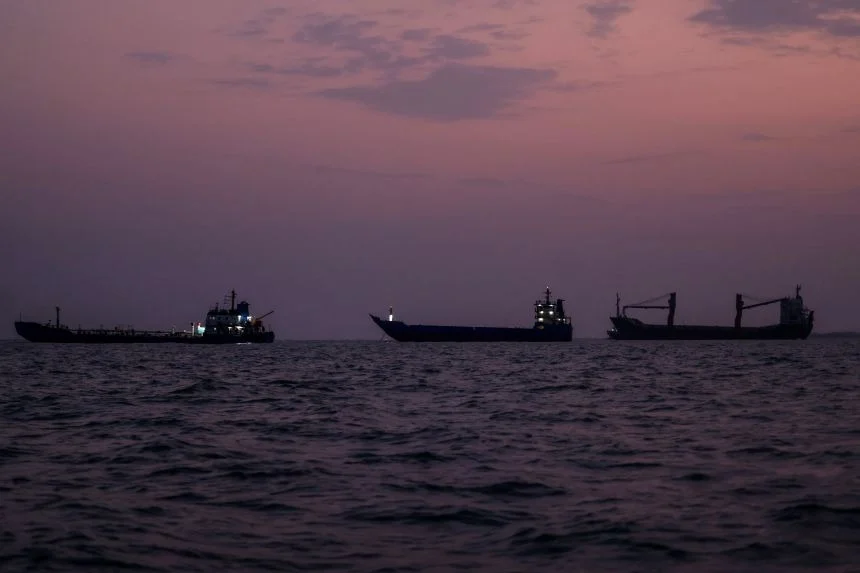







A high-stakes regional meeting intended to address the closure of the Strait of Hormuz has been indefinitely postponed. The gathering, which was scheduled to take place Monday in Salalah, Oman, was designed to discuss a framework for restoring regular tanker traffic through the critical waterway. Badr Albusaidi, the Omani foreign minister, confirmed the delay in a social media statement, noting that the decision was made in the interest of consensus. He emphasized that the nation remains dedicated to fostering regional dialogue that promotes long-term stability.
The proposed talks aimed to navigate a complex legal landscape that might allow for voluntary contributions to ensure navigational safety and environmental protections. Regional diplomats have explored these mechanisms as a way to move beyond the current impasse, even as mandatory tolls remain a major point of contention. Saudi Arabia reportedly submitted amendments to the proposal, signaling concerns that the current language could codify a status quo that is unacceptable to Gulf Cooperation Council members. Despite these disagreements, regional participants had hoped to build momentum toward a deal, with one official noting that while a breakthrough was unlikely, starting the conversation was a necessary step given the mounting pressure from recent Houthi military operations threatening the Red Sea.
The US government has maintained a hands-off approach to the Omani-led initiative, even as the Biden administration continues to assert that only American forces can secure the passage. Vice President JD Vance recently claimed that the US remains the only nation capable of ensuring control over the strait. Internally, Trump administration officials have reportedly signaled that they prefer to pivot diplomatic efforts toward Iran’s nuclear program rather than the status of the strait. Treasury Secretary Scott Bessent has even characterized the waterway’s strategic value as diminishing, suggesting it may become a worthless piece of water within two years.
Military realities on the ground remain fluid, with the US Navy actively escorting up to 40 commercial vessels daily to counter persistent threats from Tehran. While the US initially underestimated Iran’s capacity to disrupt the waterway, American officials now believe they possess the military upper hand in the region. However, this has not eased concerns for regional actors, who argue that finding a long-term solution for the strait is vital for global energy stability. There is a growing, though cautious, consensus among European and Gulf diplomats that symbolic changes to maritime rules might allow both Iran and regional states to reach a face-saving resolution.
For its part, Iran has signaled to regional partners that it may be open to broader nuclear negotiations if the conflict surrounding the strait is resolved, including the lifting of the US-led blockade. This potential linkage suggests that establishing a framework for the waterway could serve as a crucial precursor to ending the current war. Despite this, the Trump administration has been clear about its current priorities. After recent retaliatory actions following US strikes, President Trump stated via social media that he is not attempting to force Iran to the bargaining table, expressing satisfaction with the current economic pressure on Tehran and the US military’s established position in the region. The report also notes that despite shipping traffic remaining depressed, President Donald Trump has insisted the state of the waterway is acceptable for now with the US military escorting oil tankers. The report also notes that “There is no imminent breakthrough expected, but resolving the strait issue is the most pressing issue, so we need to start somewhere,” a regional source said. The report also notes that but there is a willingness to consider voluntary contributions for directing passage through the strait, the sources said, the possibility of Iranian tolls is still widely rejected. The report also notes that still, the likelihood of the Gulf Corporation Council countries and Iran getting behind a comprehensive plan to open the waterway would be virtually impossible without the US at the table. The report also notes that maintaining that they would closely monitor discussions, the administration did not seek to oppose the gathering. The report also notes that “The United States is in close communication with all of our regional partners and will remain so before, during, and after the meeting.