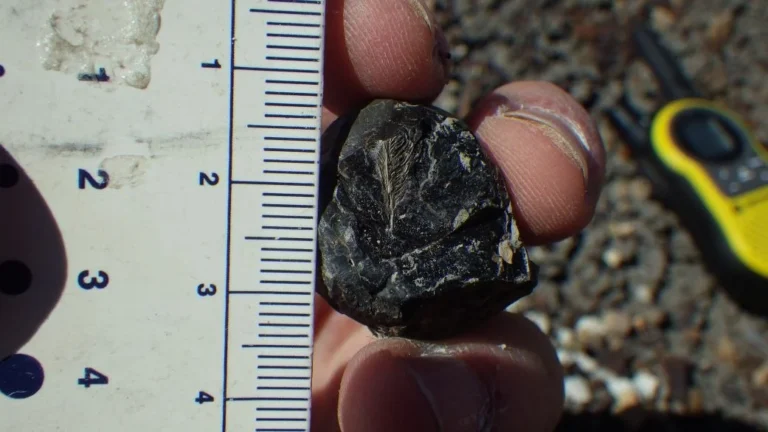









New archaeological research from the Indonesian island of Sulawesi reveals that humans may have been using psychoactive substances thousands of years earlier than previously established. Findings published in the journal Science Advances indicate that prehistoric foragers were utilizing whole betel nuts between 25,000 and 16,000 years ago, marking a potential shift in our understanding of early human drug use.
For decades, scholars believed that the origins of drug use dated back to roughly 13,000 years ago, coinciding with the Neolithic Revolution when nomadic hunter-gatherers began settling as farmers. While earlier evidence had pointed to betel nut consumption in Southeast Asia beginning about 4,000 years ago, the new discoveries push this timeline back by at least 12,000 years. Adam Brumm, an archaeology professor at Griffith University’s Australian Research Centre for Human Evolution and lead author of the study, noted that these foraging communities were not just consuming plant drugs earlier than expected; they were also facing the physical consequences of dependency on their neuroactive properties.
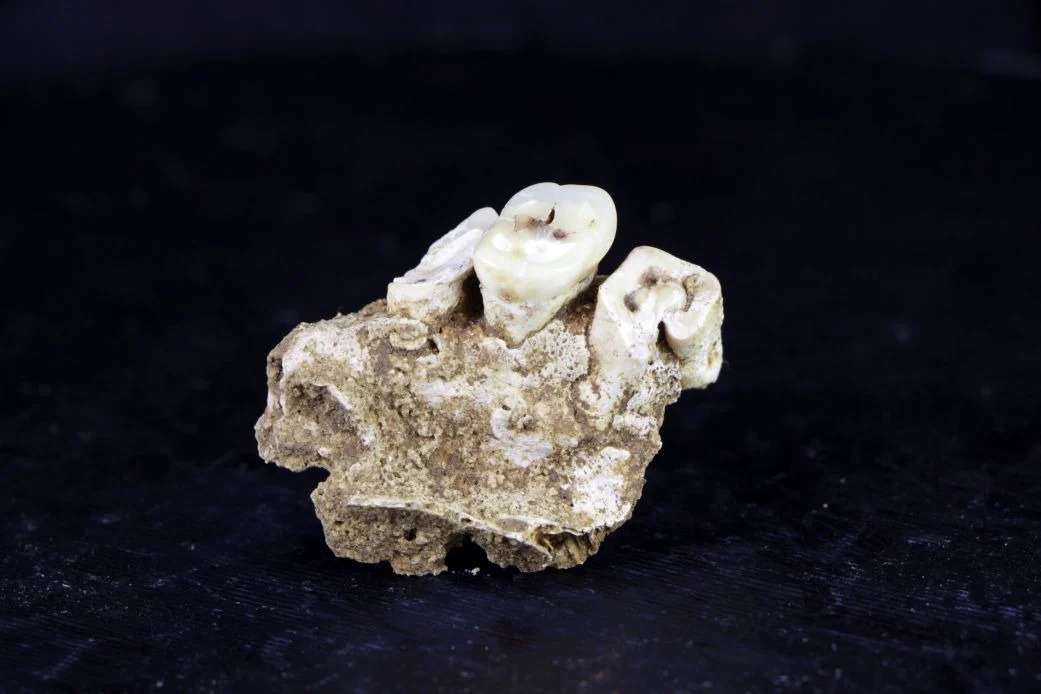
The evidence was recovered from Leang Bulu Bettue, a limestone cave located in the mountainous Maros-Pangkep karst region of South Sulawesi, where researchers unearthed human remains in 2017. An upper jawbone fragment, belonging to a pre-agricultural forager who lived between 25,000 and 16,000 years ago, featured teeth with deep, rounded grooves. A secondary discovery at the nearby Leang Cappolombo site revealed similar dental wear on remains dated between 7,600 and 6,300 years ago. Both individuals were at least 35 years old at the time of death.
Researchers determined these distinctive dental grooves were not the result of standard betel quid chewing—which involves mixing the nut with slaked lime, or calcium hydroxide, to trigger a chemical reaction for euphoria. Instead, the wear patterns suggest the habitual sucking of whole, hard betel nuts. Analysis of the dental tissue confirmed the presence of arecoline, the primary pain-relieving compound found in the nuts. Brumm explained that the foragers likely used these nuts as a traditional remedy for toothaches, but the abrasiveness of the seeds eventually wore down the teeth to the point of exposing the sensitive inner pulp chamber, which caused severe pain and infection.
To understand the physiological effects of this practice, the team conducted biochemical tests using artificial saliva to create broths from the nuts, which were then tested against cloned human receptors. The results showed that simply sucking on an intact betel nut releases sufficient amounts of arecoline to affect brain function, even without the additives used in modern traditions. Today, approximately one in 10 people—primarily across the Asia-Pacific region—chew a quid of betel nut, a habit that is now categorized as the world’s fourth most common psychoactive substance usage, trailing only alcohol, caffeine, and nicotine.
Dr. Mario Zimmermann, an archaeologist and paleoethnobotany specialist at Boise State University who was not involved in the study, noted that the data places the habit into a unique social context. While previous research demonstrated betel nut use within hierarchical Bronze Age societies, this study shows that the practice existed among egalitarian foragers long before the development of farming. The researchers hypothesize that the modern method of chewing processed quids may have emerged much later, potentially introduced by Austronesian settlers moving out of Taiwan around 4,000 years ago.
The findings emphasize that human interaction with non-dietary substances extends far back into our history. While animals are known to consume fermented fruits to achieve intoxicating effects, the human history of plant use is complex. As Brumm observed, these prehistoric individuals were likely caught in a vicious cycle, using the nuts to alleviate oral pain, only to have the habit worsen their dental health and increase their reliance on the substance’s neuroactive properties. The report also notes that largely across Asia and the Pacific, practice the tradition of chewing a quid, or processed betel nut mixed with slaked lime, about 1 in 10 people today. The report also notes that a separate research team working about 20.5 miles (33 kilometers) away at a different cave site, Leang Cappolombo, found the remains of another adult forager with the same telltale grooves left on the teeth, but dated to. The report also notes that users experience mild euphoria and heightened alertness when chewing the quid. The report also notes that farmers in what’s now Israel first brewed beer from barley, during this so-called Neolithic Revolution. The report also notes that making the jawbone a rare find, prehistoric remains don’t preserve well in tropical environments such as Sulawesi. The report also notes that “However, these hard round seeds are abrasive objects.