

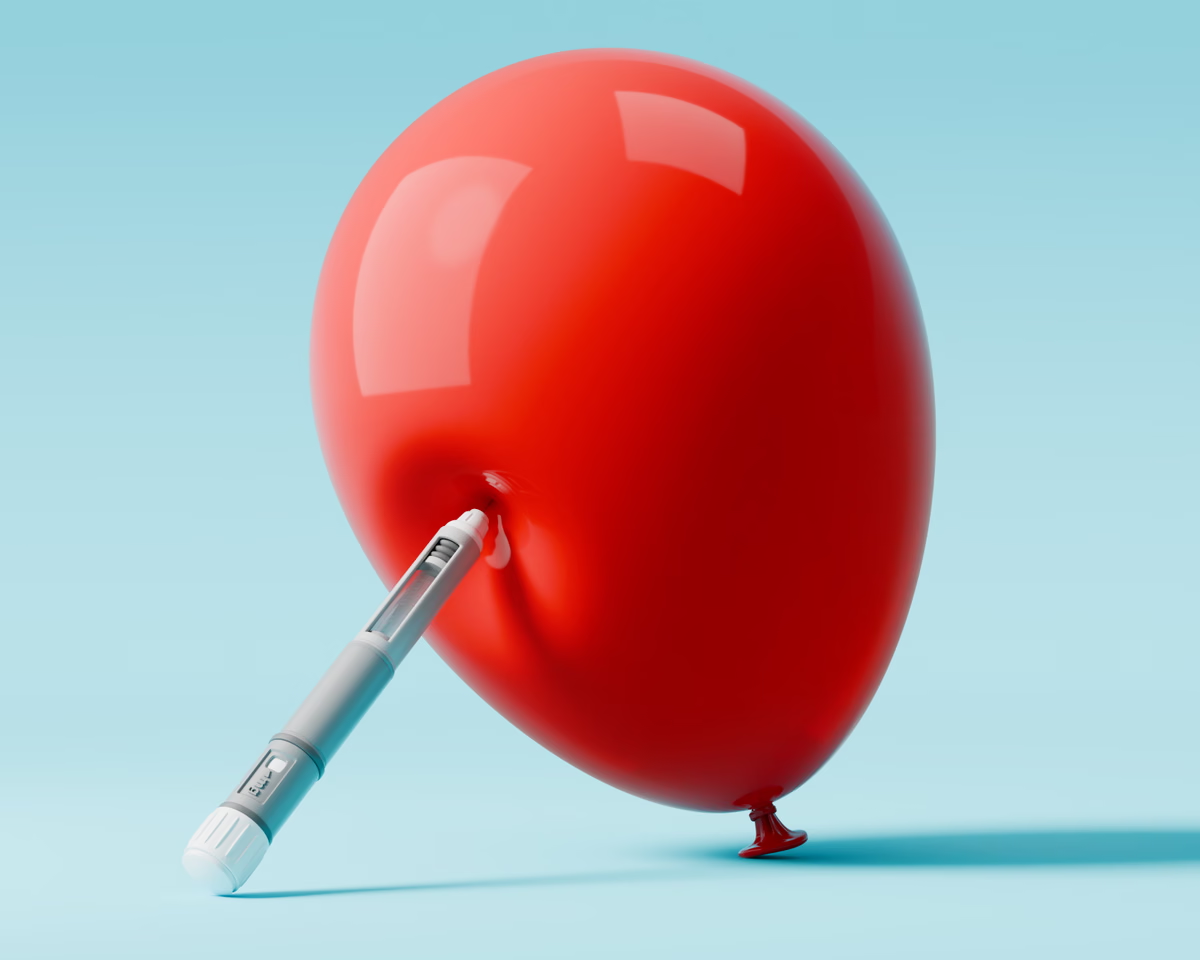









As GLP-1 medications gain widespread popularity, separating clinical reality from anecdotal hype has become essential for patients and providers alike. These drugs, which mimic the Glucagon-like peptide-1 hormone involved in appetite regulation, are significantly more potent than the natural hormones produced by the human gut. While natural GLP-1 production occurs in short bursts when L-cells sense nutrients, these medications act like a sustained bonfire, keeping the hormone active in the body for much longer to suppress appetite and increase feelings of fullness.
Despite their efficacy, these drugs are not a magic bullet. Dr. Federica Amati, nutrition lead at Imperial, notes that while they are powerful, they do not completely eliminate hunger. Furthermore, they are not universally effective; data indicates that 5% to 20% of users are considered non-responders, losing less than 5% of their body weight. Experts emphasize that these medications were originally developed for type 2 diabetes and are currently licensed for individuals with obesity or those who are overweight with weight-related health complications. Using them for cosmetic weight loss, such as preparing for a holiday or wedding, is not their intended purpose and can lead to poor body composition.
Gastrointestinal issues remain the most common side effect. Dr. Adrian Brown, an associate professor and specialist dietitian at University College London, explains that nausea, vomiting, constipation, diarrhea, and bloating are well-documented. These symptoms typically arise during dose escalation but often improve over time. To mitigate these risks, experts suggest preparing the gut, liver, and pancreas before starting treatment. Dr. Amati advises that those with existing constipation or reflux should be cautious, as these conditions may worsen. Maintaining hydration is critical, as dehydration is a primary driver of these digestive complications.
The impact of these drugs on nutrition and body composition is significant. Because they can reduce caloric intake by up to 40%, there is a high risk of nutrient deficiencies if the underlying diet is poor. Professor Giles Yeo of the University of Cambridge warns that while a healthy diet might simply become smaller, those with poor nutritional habits may suffer. Additionally, weight loss often involves the loss of muscle mass, with up to 40% of lost weight potentially being lean mass. Dr. Brown stresses that prioritizing protein-rich foods and engaging in resistance training is non-negotiable for those seeking to preserve muscle.
Concerns regarding “Ozempic breath” and smelly burps are also prevalent. While there is no hard epidemiological data yet, experts suggest that slowed gastric emptying—which leaves food in the stomach longer—and dehydration-induced dry mouth may contribute to these issues. Furthermore, hair loss is a documented side effect. Consultant dermatologist Dr. Angela Tewari explains that the body undergoes a stress response when taking these drugs, which can trigger telogen effluvium. Fortunately, this form of hair loss is typically reversible as the body adjusts to the medication.
Weight regain remains a major concern for patients. Dr. Brown describes obesity as a chronic, relapsing condition, noting that the body naturally attempts to regain weight once medication is stopped. Research from the University of Oxford suggests that many patients return to their original weight within two years of cessation. Consequently, many experts view these treatments as long-term or lifelong commitments, similar to how patients manage high blood pressure or cholesterol with statins.
The potential for broader health benefits is also under investigation. Research has shown that patients with obesity taking GLP-1s saw a 14% reduction in the risk of major adverse cardiovascular events. Additionally, some studies indicate that users are 30% less likely to develop breast cancer, and patients with various cancers who use these drugs may be up to 50% less likely to see their cancer spread. However, Dr. Simon Cork of Anglia Ruskin University notes the challenge of determining whether these benefits are direct effects of the drug or secondary results of weight loss. Regarding mental health, evidence for benefits in anxiety and depression is currently thin, though there are promising signs in addiction research, particularly concerning alcohol consumption. The report also notes that they suppress your appetite so you never feel hung ry. The report also notes that “The medicine is about 1,000 times stronger than what we naturally produce from our gut,” she explains. The report also notes that these bursts of GLP-1 production last a few minutes, without the drugs. The report also notes that you feel fuller faster and your appetite gets suppressed, but you will eventually get hungry, because the GLP-1 hormone stays in your body for longer if you are on the drugs. The report also notes that “The gastric emptying is so slow that you need to stop straight away.”. The report also notes that they make you forget to drink water.