








British consumers are increasingly grappling with a shifting landscape of tipping etiquette, as US-style digital payment prompts become a common feature in everyday transactions. For many, the expectation to add a gratuity for services like coffee or a pint has transformed what was once a simple social interaction into a complex, often uncomfortable, financial minefield.
Greg Double, a public relations creative director, recently highlighted the frustration felt by many patrons. Recounting a visit to a London pub, he noted that after paying eight pounds for a pint, the addition of a service charge felt excessive. He described the experience as “absolutely criminal,” reflecting a growing sentiment that the traditional boundaries of where and when to tip are being eroded.
Historically, tipping in the UK was largely confined to restaurants, with a general guideline of 10%. Even then, it often brought anxiety regarding whether to reward hairdressers, babysitters, or delivery drivers. Now, the amounts are trending upward, with 15% becoming a standard expectation in many upscale London establishments. Since October 2024, legislation has mandated that all service charges and tips in Great Britain must be distributed to staff, a move intended to bolster lower wages as businesses navigate rising minimum wage and insurance costs.
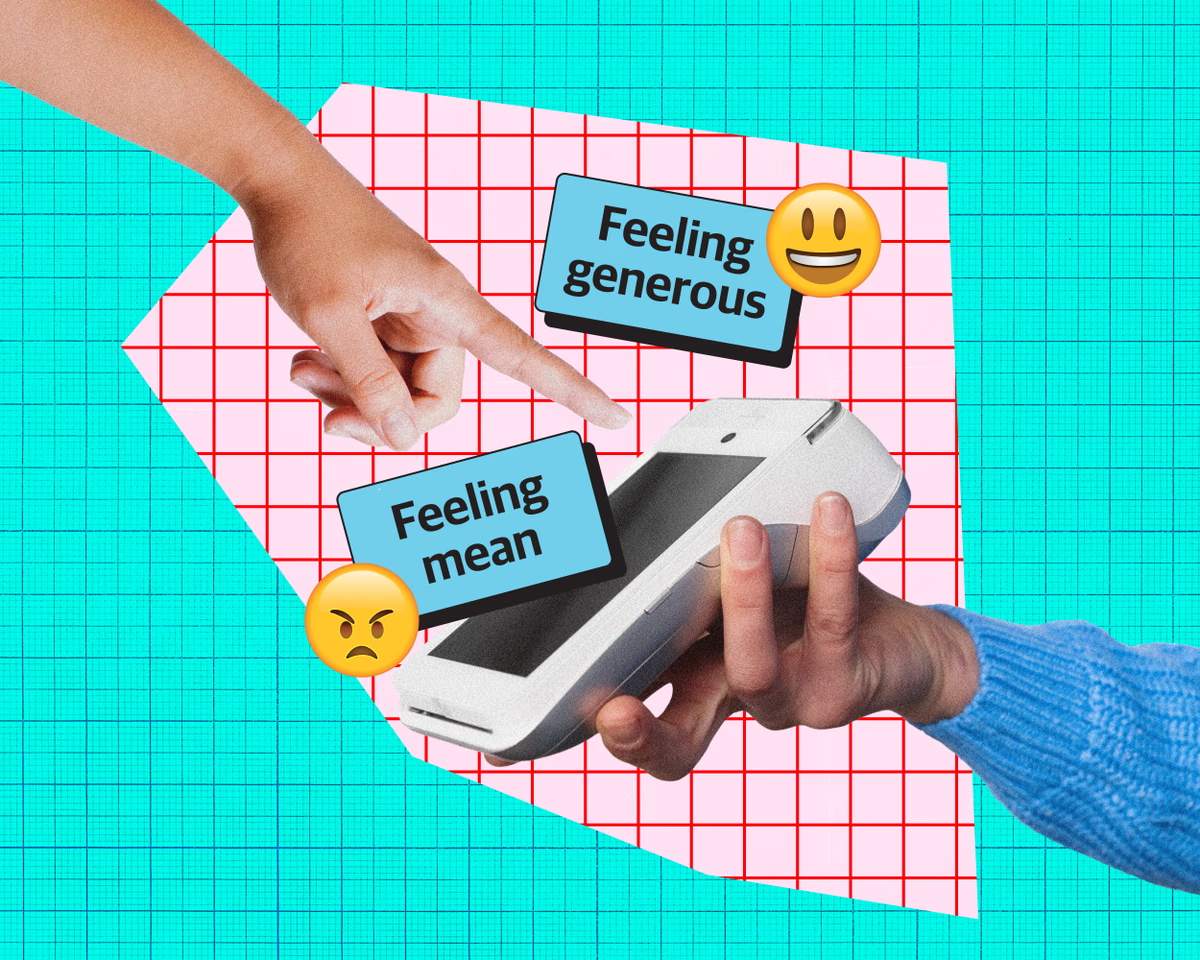
The integration of digital card machines has accelerated this trend. Prof. John Vines, chair of design informatics at the University of Edinburgh, explains that the shift away from cash is often marketed as a way to reduce transaction “friction.” However, these systems also allow businesses to exert control over the tipping process. By presenting pre-set percentage options on a screen, the software removes the need for mental calculation but can also make customers feel pressured into selecting a higher amount to avoid appearing cheap.
This technological influence is largely imported from the US, particularly California, bringing with it customs and values that may not align with traditional British norms. While some argue that these platforms are designed to benefit staff, there is a cynical view that the tech companies themselves profit by taking a cut of every transaction. Prof. Vines acknowledges that while this perspective may seem cynical, it is likely grounded in the reality of how these digital infrastructures operate.
The pressure to tip is not just a matter of software, but of social expectation. Peter, a pub worker in Lincolnshire, finds it embarrassing to request tips from customers. He notes that since his workplace installed new card machines that automatically suggest a gratuity, he makes a point to press “no” before handing the device to the customer, fearing that the prompt might alienate patrons.
The pandemic also played a significant role in altering these habits. Michael Lynn, an emeritus professor of consumer behaviour and marketing at Cornell University, notes that during the Covid-19 crisis, people began tipping for services they had previously ignored. Lynn suggests that tipping often serves as a way to manage social status and power dynamics, noting that the word for “tip” in many languages historically translates to “drink money,” intended to bridge the gap between patron and worker.
Despite these shifts, confusion remains. Double notes that he would not tip for a coffee at a counter, but might do so if he were occupying a table for an extended period to work. Conversely, he avoids tipping at a bar unless food or table service is involved. This “muddy zone” of etiquette is further complicated by unconscious biases, with some research indicating that Black service workers may receive lower tips, though data on this remains inconsistent.
Ultimately, the act of tipping remains deeply tied to social rapport. Factors such as a server’s smile, their ability to remember a name, or even their gender can influence the amount left. As consumers continue to navigate these digital prompts, many are left feeling that the once-simple act of showing appreciation has become a performative, and often stressful, requirement of modern life. The report also notes that plus anxiety about whether you should tip the hairdresser, babysitter or food-delivery driver, tipping was awkward enough in the UK when the general rule was 10% at a restaurant. The report also notes that struggling with the rises in minimum wage and national insurance, are surely happy that it’s tipping customers who are supplementing wages, rather than themselves, hospitality businesses. The report also notes that adding an “optional” service charge avoids tax, puts more money in the pockets of staff and means businesses don’t have to raise prices, which puts off customers, as the news site London Centric pointed out recently in an article headlined “ How American tipping culture came to London ”. The report also notes that the variables around tipping seem endless and changeable, with each of us having to create our own rules. The report also notes that but he might acquiesce if he bought a round, he wouldn’t tip if he’d walked up to a bar and bought a drink for himself. The report also notes that it almost calls out for a tip, since drinking Guinness became fashionable.