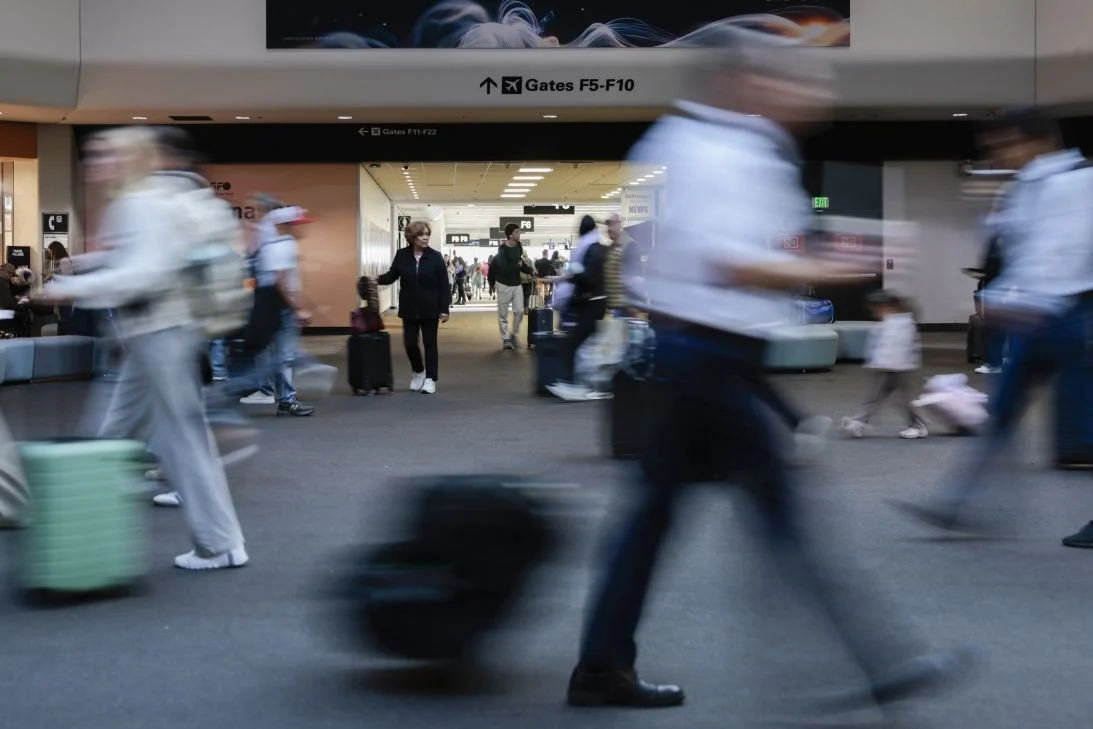









The traditional expectation of finding lower prices and thinner crowds during the autumn months is rapidly fading. For many travelers, the period once considered a “secret season” has transformed into a high-demand window, with industry experts noting that fall is effectively becoming the new summer. This shift has left many vacationers, such as Seattle tax accountant Heather Wright, surprised by the elevated costs for late-season trips. Wright, who has been monitoring airfare for a planned November excursion to Europe, observed that prices remain significantly higher later into the season than in previous years.
Data from luxury travel network Virtuoso highlights this surge, showing a 59% increase in bookings for fall 2026 compared to the previous year, with total revenue from these bookings climbing 69%. Even as rates for European travel rose by more than 7%, bookings in that region jumped 49%. Misty Belles, vice president of global public relations for Virtuoso, noted that travelers are increasingly prioritizing the experience and comfort of the season over potential cost savings. Belles expressed surprise at the 70% to 71% growth in bookings and sales for November, a month that was historically overlooked due to the US Thanksgiving holiday.
Domestic travel within the United States is seeing a similar trend. Hayley Berg, lead travel economist for Hopper Technology Solutions (HTS), stated that the traditional shoulder season for domestic trips appears to have vanished. HTS data indicates that average domestic airfare for the fall is up 39% from last year, aligning prices with peak summer months for the first time in recent history. While domestic fall airfare was roughly 20% cheaper than peak summer four years ago, it is now 1% higher. This trend is compounded by rising jet fuel costs, which have pushed fares upward across the board.
Expedia Group reports that lodging costs in top US destinations like New York, Miami, and New Orleans are averaging 20% higher this fall compared to the summer, with flight prices also up by 2%. Similar patterns are appearing in the United Kingdom, where fall hotel stays are slightly more expensive than summer rates, with some locations seeing increases of 20% to 30%. Melanie Fish, head of public relations for Expedia Group, emphasized that while savings are not entirely gone, they are no longer guaranteed. She suggests that travelers are increasingly utilizing rewards, bundling perks, and using budget filters to manage these higher costs.
The shift is driven by a combination of factors, including the desire to avoid the increasingly extreme summer heat and the flexibility of modern work and school schedules. Travel adviser Jo-Anne Redwood noted that her affluent clients are actively seeking the milder temperatures and smaller crowds of autumn. Redwood, who recently experienced intense heat and humidity while traveling in Europe, reported that her schedule is currently packed with bookings for late September, October, and November. This high demand is reflected in pricing; she noted that river cruises for late October and early November are currently 15% to 20% more expensive—roughly $1,000 more—than trips scheduled for earlier in the year.
Despite the overall price hikes, some analysts see a complex market dynamic. Belles suggested a potential “standoff” between travelers and airlines, with carriers attempting to secure high-priced bookings early while monitoring consumer behavior. Meanwhile, data from analytics firm Cirium indicates that while US-to-Europe bookings for this July saw a 6% decline, projections for the autumn suggest a similar 6% dip compared to last year. For now, experts like Berg suggest that travelers might find better value by remaining flexible with their destinations and considering different regional airports.
Ultimately, the era of automatic autumn discounts is being challenged by a surge in popularity. As travelers continue to favor the comfort of the fall, the traditional economic patterns of the travel industry are being rewritten, leaving those who wait for last-minute deals in a difficult position. The report also notes that including New York, Miami and New Orleans, are higher than this summer, with lodging costs up an average of 20% and flight prices 2% higher, expedia has found that prices this fall in its top 10 US destinations. The report also notes that “Sunday is typically the cheapest day of the week to stay,” Fish said. The report also notes that “So if you can plan your shoulder-season trip over a Sunday, then you have a double chance of getting some savings there.”. The report also notes that when the weather cools, crowds thin and prices drop significantly, heather Wright has long been a fan of off-season travel. The report also notes that at least, that used to be the pattern heading into fall. The report also notes that she plans to fly into whichever major European airport she can comfortably reach from the US for a good deal and take shorter flights onward from there. The report also notes that surging jet fuel prices caused by the war with Iran sent fares way up this year.