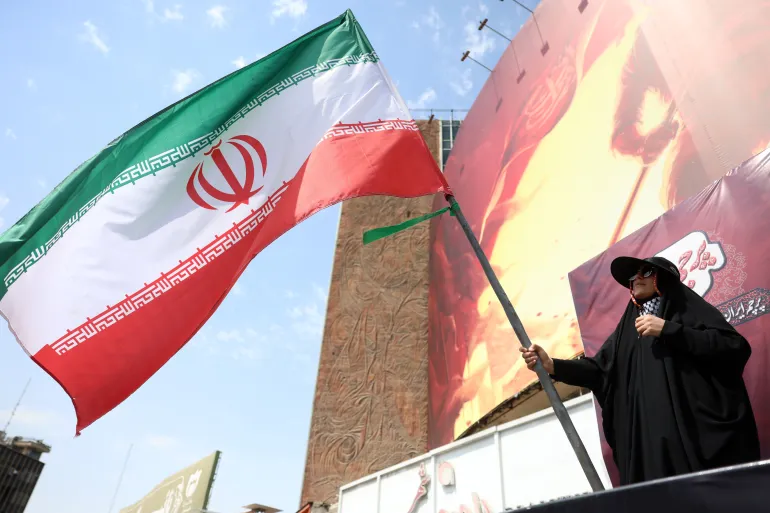




Iran’s hardline-dominated parliament has moved to tighten state control over international engagement, approving the broad outlines of a new bill designed to combat what officials describe as foreign “infiltration.” The legislation, which focuses heavily on the academic, media, and cultural sectors, is being presented by proponents as a necessary security measure to complement existing espionage laws enacted following last year’s 12-day conflict with the United States and Israel.
The bill, which passed during a remote parliamentary session, introduces a complex regulatory framework for any interaction with foreign entities. According to the draft, the government intends to categorize countries into three tiers based on their perceived threat level, with the United States and Israel expected to occupy the highest tier. This classification will dictate the level of scrutiny applied to any contact, collaboration, or exchange involving citizens or organizations within Iran.
Under the proposed system, the Ministry of Interior would launch a mandatory registration portal. Entities and individuals would be required to declare a wide range of foreign-linked activities, including the exchange of data, statistics, research samples, legal advice, and scientific cooperation. Participation in foreign-supported workshops or classes could result in imprisonment for organizers, while NGOs and associations would face strict oversight regarding foreign funding and contracts. Existing activities would be subject to a three-month registration window once the portal becomes operational.
The legislation also targets the flow of information. Any cooperation or interaction with foreign media, including interviews or conversations, would require prior government authorization. The bill stipulates that disseminating information, analysis, or policy recommendations deemed to be under “foreign direction” that harms national security or public trust in the state could lead to a maximum sentence of 30 years in prison. Furthermore, the Ministries of Education, Science, and Health are mandated to integrate “enemy infiltration” awareness and media literacy into school curricula, with oversight from the Ministry of Intelligence and the Supreme Council of the Cultural Revolution.
Cultural production faces similar restrictions. Works that are perceived to depict Iran negatively or promote “anti-Islamic culture” could trigger severe penalties, including fines, production stoppages, and permanent professional bans. While the bill imposes these broad constraints, it does include specific exemptions: the armed forces, the Ministry of Intelligence, and political officials participating in foreign activities are not required to use the registration portal.
The legislative push has drawn significant criticism from within the government. Majid Ansari, a religious leader and deputy for legal affairs to President Masoud Pezeshkian, stated that the administration is in “explicit opposition” to the plan. Ansari warned that the bill would impose serious restrictions on scientific progress, hinder international academic collaboration, and ultimately accelerate the country’s “brain drain” while damaging Iran’s international reputation. He further argued that the proposal conflicts with the national constitution.
Despite the government’s stance, the bill reflects the priorities of hardline lawmakers who have controlled parliament since the 2020 elections. Ruhollah Nejabat, a member of parliament from Shiraz, noted that the plan was initially proposed earlier this year to counter the influence of Iran’s perceived enemies. The bill must still undergo final ratification by parliament and receive approval from the Guardian Council, a 12-member constitutional watchdog, before it can become law. Observers suggest the text may undergo significant revisions during this process.
The prospect of the law has created anxiety among the public and the academic community. One researcher at the University of Tehran, who requested anonymity due to security concerns, noted that many students are deeply worried about the potential for future restrictions. She highlighted that the vague and expansive nature of the bill creates uncertainty for those studying abroad, particularly those who may have participated in protests against the Islamic Republic. She added that even current academic research is becoming increasingly difficult, as she recently struggled to access an English-language journal not approved by the Ministry of Intelligence. The report also notes that amid prospects of further military escalation in the current US-Israel war on Iran, the controversy around the plan this week erupted as the deadline of a memorandum of understanding with Washington expired. The report also notes that with an Before becoming law, the bill needs final ratification by parliament, as well as by a powerful 12-member constitutional watchdog known as the Guardian Council – a process that could take weeks or months, a 19-article draft of the bill was previously published by state-linked media. The report also notes that who have dominated parliament since 2020 after elections marked by a historically low turnout and candidate disqualifications, establish broad restrictions on contact with foreign countries, the general principles approved by hardline lawmakers. The report also notes that nGOs, parties and associations would have to register, and in some cases seek approval for, foreign funds, contracts, training or other benefits, or risk getting dissolved. The report also notes that as are media owned, managed or funded by foreign agents connected to countries placed in the top two tiers, unauthorised conversations or interviews with media considered hostile by the Islamic Republic are also prohibited. The report also notes that as foreign-supported or directed films, music, books and other works that question religious rules were singled out in the proposed legislation, arts and culture are not spared either. The report also notes that he said, came not from the kinds of “minor and lower-level infiltration” that such a law might address, but from “larger-scale issues” resulting from existing “points of infiltration” and inadequate oversight within the establishment, iran’s main vulnerability.