








Bumble was originally designed to be different. When it launched in 2014, it offered women a simple proposition: if you matched with a man, you had to make the first move. The rule was intended to make online dating safer and less intimidating, while giving women control over who initiated conversation. This approach was meant to fix what many perceived as the chaotic and aggressive hookup culture of competitors like Tinder.
However, the company is now dismantling those defining features. The change follows the introduction of “Opening Moves,” which had already softened the original rule, and comes as Bumble prepares to abandon the swipe mechanism entirely. The company says it is responding to changing user behaviour and wants to encourage more meaningful connections.
But there is another way of reading the changes. Bumble was created to shift the power dynamic to women, yet it is now moving away from that core identity. It is not alone in this shift; across the dating-app industry, the swipe-and-match model that transformed how people met is being quietly reworked while companies race to integrate artificial intelligence at the centre of their platforms.
“Bumble is in salvage mode,” says Luke Brunning, a philosopher who studies the ethics of technology and relationships. “They’ve already reorganised, restructured and cut jobs in response to declining revenue. This risky, standout pivot suggests they’re wondering how, despite all that, to keep going.” The company’s paying user base has fallen sharply over the past year, and it cut approximately 30% of its workforce this year.
“It’s going to be fascinating to see whether they can weather it,” Brunning says. “But they’re not alone: a lot of the major players are also in salvage mode, trying to figure out how to position themselves in a market that is increasingly fed up with them.” Brunning’s research indicates that dating apps are now often used grudgingly, as users feel they are a necessity rather than a source of excitement.
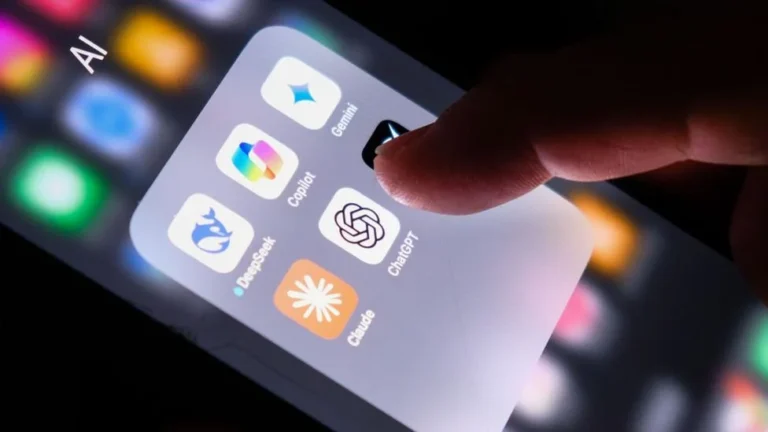
The online dating industry, estimated to be worth almost £10bn globally, is keenly aware of this dissatisfaction. Its primary solution is to embrace AI. Grindr is transitioning into an “AI-first” platform, while Tinder is testing “Chemistry,” an AI-powered system designed to reduce “swipe fatigue.” Bumble is also developing an AI matchmaking assistant called Bee.
Other startups are dispensing with swiping altogether. London-based Fate describes itself as an “agentic AI dating app”: instead of browsing profiles, users are interviewed by an AI about their relationship goals to find similarities with potential partners. This raises the question of whether we are on the brink of a new era of dating, or if the industry is simply struggling to survive.
Adam Peacock, a researcher of technology and intimacy, believes the industry is misreading user objections. “There’s a kind of emerging cultural backlash against allowing AI into our intimate lives as well as the additional concern that someone you’re talking to on these apps is actually filtering the whole conversation through an AI concierge,” he says. He notes that Gen Z, in particular, is concerned that apps are designed to monetise time spent on the site rather than foster genuine connections.
“The dating industry has turned intimacy into an enormous source of data,” Peacock adds. “Dating apps can know where people live, what they look like, who they are attracted to, what they say to potential partners and, increasingly, how they behave.” He suggests that these apps may eventually evolve into broader social media or lifestyle products rather than dedicated dating tools.
Elsa Kugelberg, a philosopher who researches gender and relationships, suggests that while online dating is too embedded in modern life to disappear, the first generation of apps—defined by the profile, the swipe, and the match—may be reaching its end. Whether AI will provide a genuine solution or merely serve as a temporary facade on an exhausted model remains the central debate.
Brunning believes that AI on dating apps does not have to be used this way. “There can be ways of trying to do digital better, that doesn’t involve giving people AI tools to talk to each other with,” he says. He argues that the critical point is that companies cannot simply take a product that is out of favour, apply AI to it, and expect it to work.