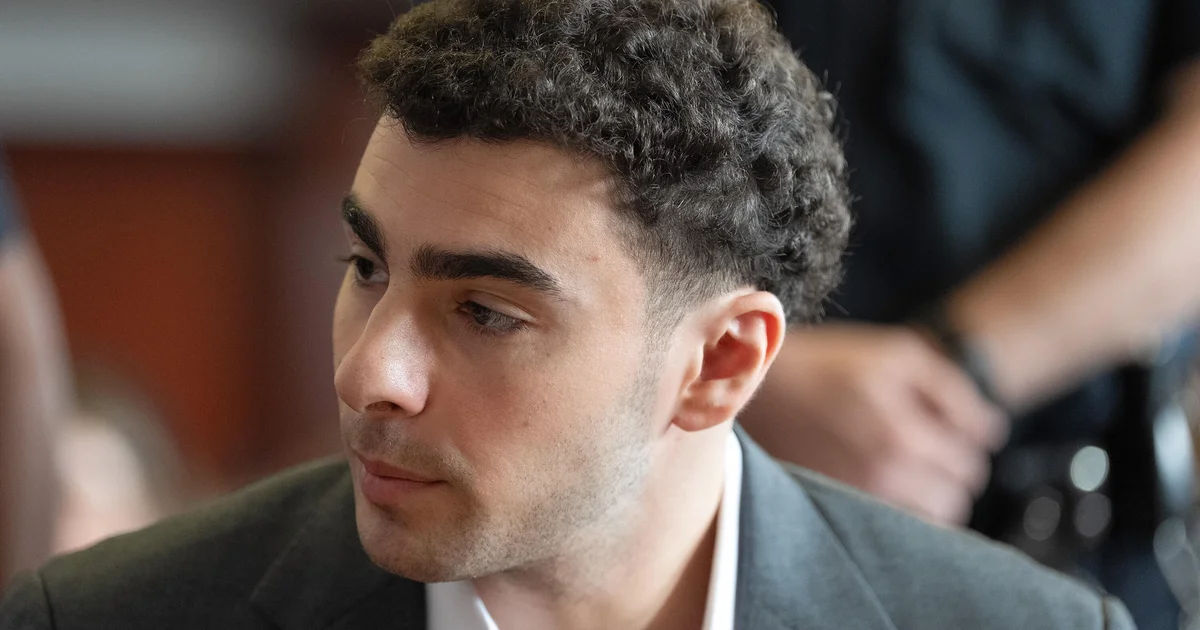









Luigi Mangione, the 28-year-old suspect accused in the 2024 killing of UnitedHealthcare CEO Brian Thompson, is currently in discussions regarding a potential plea deal on federal charges. Sources familiar with the matter confirmed to that these negotiations are ongoing ahead of a scheduled court appearance in New York City.
Mangione is set to appear at an 11 a.m. conference in U.S. District Court in Manhattan. The proceeding follows a formal request submitted by both federal prosecutors and the defense team in a letter to the court this past Tuesday. While discussions between the parties have been active, it remains unclear whether a definitive agreement has been reached at this stage.
New York’s Alice Gainer is inside the courtroom to monitor the latest developments. Mangione’s defense attorneys arrived at the courthouse at approximately 10:38 a.m. The gallery was sparsely populated at the time, consisting of roughly four rows of press members and two rows of the general public.
Representatives for the defense have not responded to requests for comment regarding the status of the negotiations. Similarly, a spokesperson for the U.S. Attorney for the Southern District of New York declined to provide a statement. Legal expert Richard Schoenstein noted that plea negotiations are a standard component of most criminal proceedings, though the high-profile nature of this case adds significant complexity.
Mangione currently faces both federal and state charges related to the death of Brian Thompson. He has entered pleas of not guilty in both jurisdictions. The federal charges carry a potential maximum sentence of life in prison, a penalty that could remain on the table even if a plea deal is successfully negotiated, as federal sentencing is ultimately determined by a judge rather than being strictly dictated by a plea agreement.
Legal contributor Jessica Levinson suggested that both parties might attempt to reach a binding agreement or provide a recommendation to the court for a reduced sentence. However, the resolution of the federal case could trigger significant legal debates regarding the state trial, which is currently scheduled to begin next month. Central to these concerns is the concept of double jeopardy, which prohibits a person from being prosecuted twice for the same offense, though the application of this rule is subject to various legal exceptions.
Schoenstein explained that the defense will likely file motions to preclude further state prosecution, arguing that a federal conviction could constitute double jeopardy. The situation is complicated by the nature of the charges; federal counts focus on stalking resulting in death and the use of interstate facilities, while state charges include second-degree murder, weapons possession, and the use of a forged instrument. Because the state-level weapons and forgery charges are distinct from the federal counts, the legal path forward remains uncertain.
Caroline Polisi, a legal analyst, emphasized that New York state law provides more robust protections for defendants regarding double jeopardy, which could lead to extensive litigation or even potential dismissal of certain state charges. Schoenstein added that a federal plea might pressure state prosecutors to either reach their own agreement or integrate their case into the federal negotiations to achieve a comprehensive resolution.
Finally, experts suggest that the intense national attention surrounding the case and the emergence of public supporters for Mangione could influence the prosecution’s strategy. Polisi noted the increased risk of juror nullification, where a seated juror might refuse to convict regardless of the evidence presented, a factor that could weigh heavily on the decision-making process for both federal and state authorities as they navigate the path toward a potential plea.
“In the federal system, you don’t agree to a sentence as part of a plea deal.
You agree to a plea and the crime, and then it has to go to a sentencing hearing in front of the judge,” Schoenstein said.
“You have a raised possibility of what we call juror nullification, wherein a jury gets seated and there’s someone in there that just, regardless of hearing any of the evidence, is never going to vote to convict Luigi Ma
And so that could be a real issue here, at least one that would merit litigation, if not dismissal,” legal analyst Caroline Polisi said.
“You have a raised possibility of what we call juror nullification, wherein a jury gets seated and there’s someone in there that just, regardless of hearing any of the evidence, is never going to vote to convict Luigi Mangione,” Polisi said.
Dick Brennan contributed to this report.