
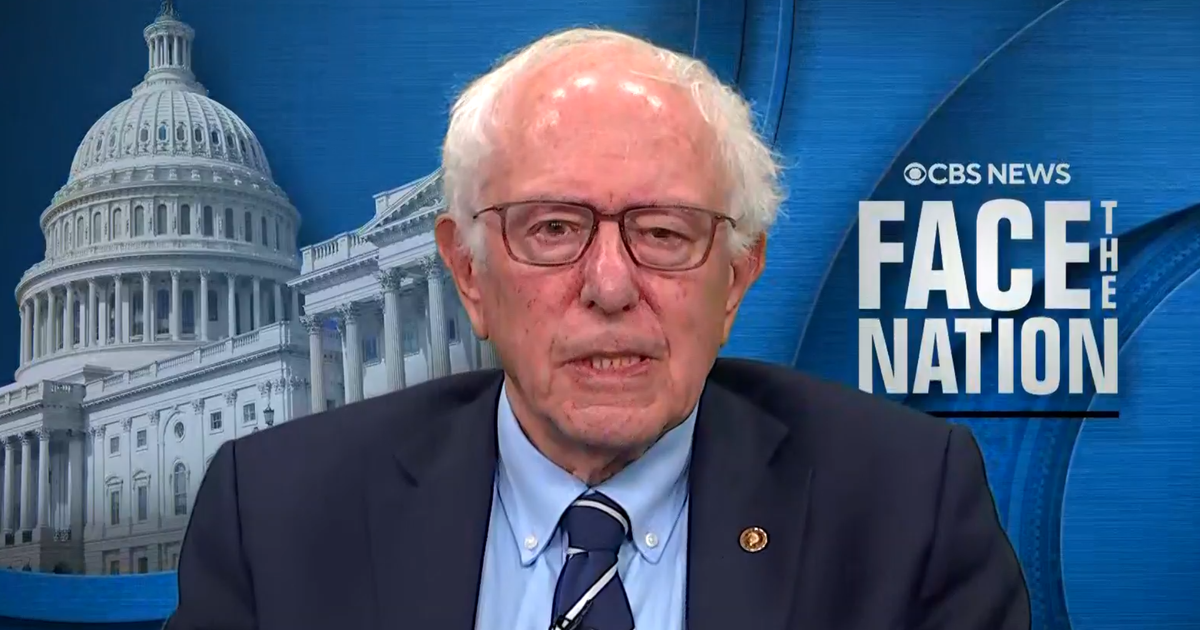







Senator Bernie Sanders is pushing for a major overhaul of Democratic primary rules, urging party leadership to bar super PACs from participating in the nomination process. In a letter shared exclusively with “Face the Nation with Margaret Brennan,” the Vermont independent—who caucuses with Democrats—argued that these fundraising organizations foster a “corrupt system” that undermines the party’s integrity.
The appeal was directed at Senate Minority Leader Chuck Schumer, House Minority Leader Hakeem Jeffries, and Democratic National Committee Chair Ken Martin. Sanders highlighted that corporate-backed super PACs have already funneled more than $517 million into the 2026 midterm cycle. While these groups can raise unlimited funds, they are legally prohibited from coordinating directly with candidates or their campaigns.
Sanders pointed to specific instances where outside spending has disrupted races, such as the Michigan Senate contest. In that primary, candidate Haley Stevens received over $50 million in outside support, including $30 million from the American Israel Public Affairs Committee (AIPAC). Sanders noted that AIPAC is now reportedly planning to spend tens of millions to support Republican Mike Rogers in the general election, illustrating the bipartisan nature of these special interest interventions.
During his appearance on “Face the Nation,” Sanders emphasized that the influence of groups like AIPAC, as well as AI and crypto industry interests, transcends party lines. He argued that it is “insane” for Democrats to allow entities to intervene in their primaries, only for those same groups to pivot and support opposing candidates if their preferred Democrat loses. He insisted that the party has the authority to ban such involvement in its own nominating contests immediately.
While acknowledging that candidates currently feel forced to accept PAC money to avoid being outspent by margins as high as 50-to-1, Sanders maintained that the party must take a stand. He advocated for a long-term constitutional amendment to repeal the 2010 Supreme Court ruling in Citizens United, which removed limits on independent political spending, and called for a transition to public election funding.
“I urge you to take action and make clear that the Democratic Party will no longer maintain this corrupt system,” Sanders wrote in his letter. He expressed hope that, despite internal ideological differences, the party could reach a consensus that Republican-aligned special interests should not dictate the outcomes of Democratic primaries. He concluded his message by stressing that the time for the party to act is now.
Abdul El-Sayed, received over $50 million in donations from outside organizations in the race, including $30 million from the pro-Israel group American Israel Public Affairs Committee.
“Look, in the world that we live in, until we get rid of Citizens United and get rid of super PACs and move to public funding of elections, that is the reality,” Sanders said.
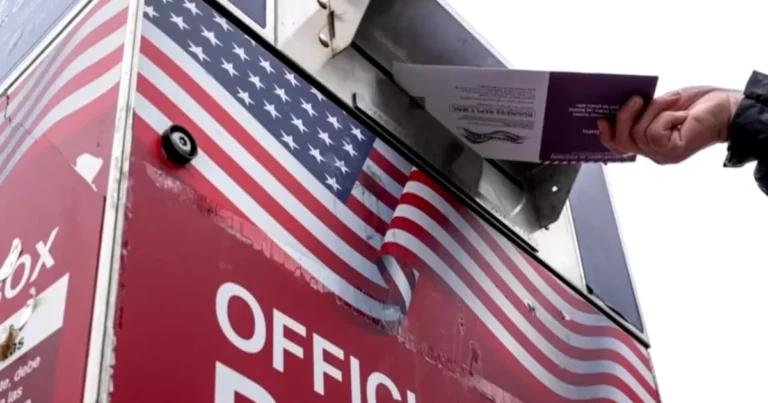
Funding from super PACs and other outside donors has become a key issue in some races.
As the Vermont independent seeks changes to super PAC participation in Democratic primaries, he acknowledged that candidates will continue accepting PAC money in general elections without broader reforms.
Kaia Hubbard contributed to this report.