




A fresh wave of violence has struck southern Lebanon, resulting in the death of one civilian and two Israeli soldiers. The incident occurred as diplomatic efforts to secure a lasting ceasefire remain underway, with officials from Lebanon and Israel currently engaged in negotiations in Rome.
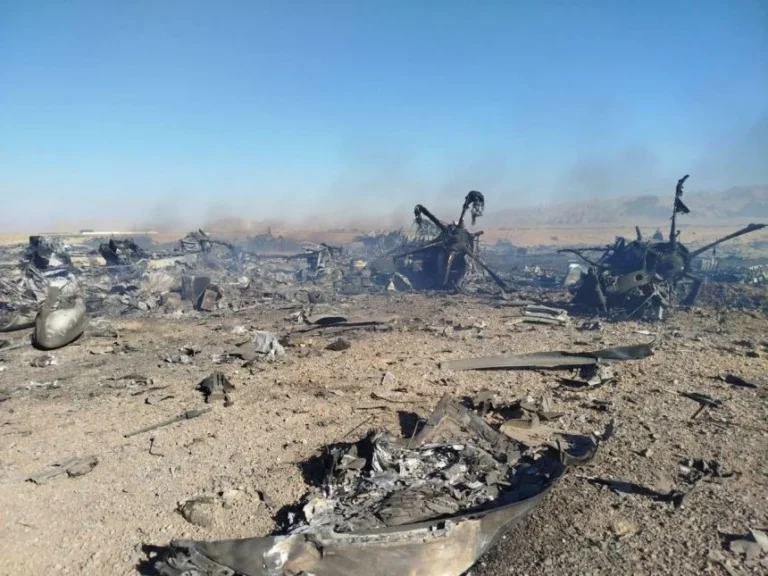
According to the Lebanese Health Ministry, an Israeli air strike on Wednesday targeted a cemetery prayer hall in the town of Tibnin, killing one person and leaving 12 others injured. This follows a separate, lethal incident in the village of Majdal Selem, where an improvised explosive device detonated inside a booby-trapped building. The blast resulted in the deaths of two Israeli soldiers, while another was reported in critical condition and several others sustained injuries.
Al Jazeera’s Zeina Khodr, reporting from Beirut, noted that Majdal Selem remains under Israeli military occupation. She highlighted the significance of the location, stating, “The village lies close to al-Mansouri… There is no Hezbollah presence there, making this a notable incident.” Following the explosion, the Israeli military announced on Telegram that it had initiated “precise strikes” across the region, characterizing the attack as a “blatant violation of the ceasefire by the Hezbollah terrorist organisation.”
In response to the escalating tensions, Israeli army spokesperson Ella Waweya issued new forced displacement orders for residents of al-Mansouri, instructing them to evacuate toward the north. While hostilities have generally subsided in recent weeks, the situation remains highly volatile. Intermittent air strikes continue to target front-line villages, even as diplomats work to finalize a framework for peace.
The ongoing negotiations in Italy, which began Tuesday and are expected to conclude Thursday, are centered on a US-sponsored agreement reached in June. The framework outlines a phased withdrawal of Israeli forces, the disarmament of Hezbollah, and the deployment of the Lebanese army into designated “pilot zones” in the south. However, progress has been slow, and many residents remain skeptical that a lasting peace can be achieved.
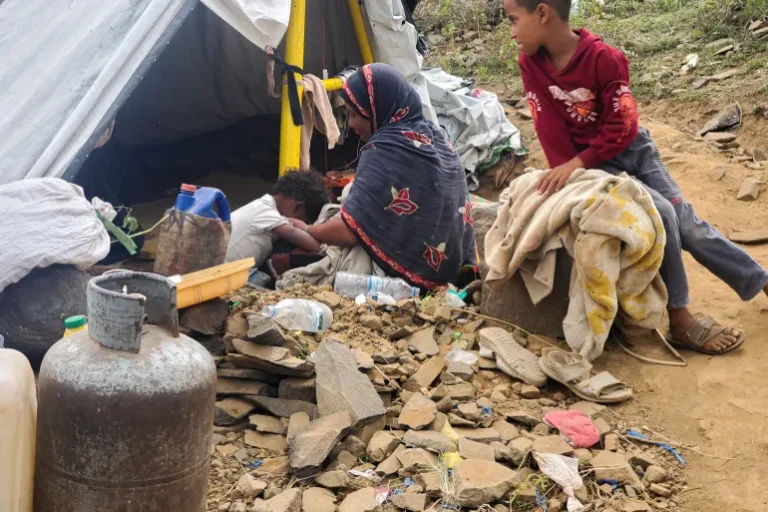
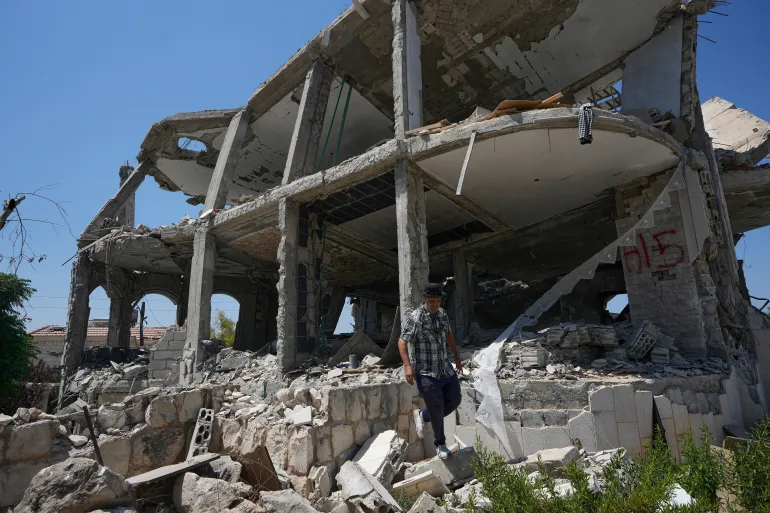
Khodr noted that local residents who have returned to their damaged homes are fearful of a renewed conflict. “Progress in negotiations has been limited, and many here doubt the ceasefire will hold,” she said, adding that there is widespread concern that broader regional instability could spill over into Lebanon.
Hezbollah has maintained a firm stance against the current diplomatic process. On Tuesday, the group’s leader, Naim Qassem, dismissed the talks as a path to “nothing but shame, humiliation” and further concessions for the Lebanese state, reiterating the group’s refusal to surrender its weapons or engage in direct negotiations with Israel.
The human toll of the ongoing conflict remains significant. Data from the Lebanese Health Ministry indicates that since March 2, Israeli military operations have resulted in at least 4,333 deaths and 12,250 injuries across the country.