
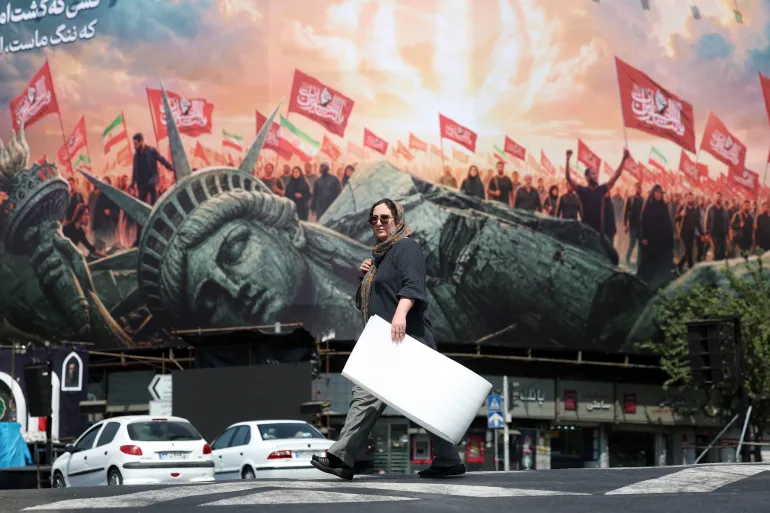








A Memorandum of Understanding (MoU) designed to halt the conflict between the United States and Iran is scheduled to expire this Monday. There is little indication that either party intends to extend the agreement, which has been marred by mutual accusations of non-compliance since it was signed on June 17.
Iranian Foreign Minister Abbas Araghchi stated on Telegram this Saturday that his government has not made a decision to resume negotiations with the US. While Araghchi noted that Iran is currently engaged in discussions with Oman regarding potential new shipping routes in the Strait of Hormuz, he emphasized that any progress remains contingent upon reaching a broader political solution.
The original agreement, facilitated by high-level talks in Pakistan, was intended to conclude over three months of warfare that resulted in thousands of deaths and severely disrupted global energy exports. The document included a commitment to “declare the immediate and permanent termination of military operations,” with a final deal to be endorsed by the UN Security Council within a 60-day window.
Under the terms, the US was expected to lift its naval blockade within 30 days, remove military forces from the vicinity of Iran following a final settlement, and initiate a $300 billion reconstruction and development package. Washington also agreed to terminate sanctions and issue waivers for Iranian oil exports. In exchange, Iran committed to clearing mines from the Strait of Hormuz, allowing free passage for 60 days, and pledging to forgo nuclear weapons.
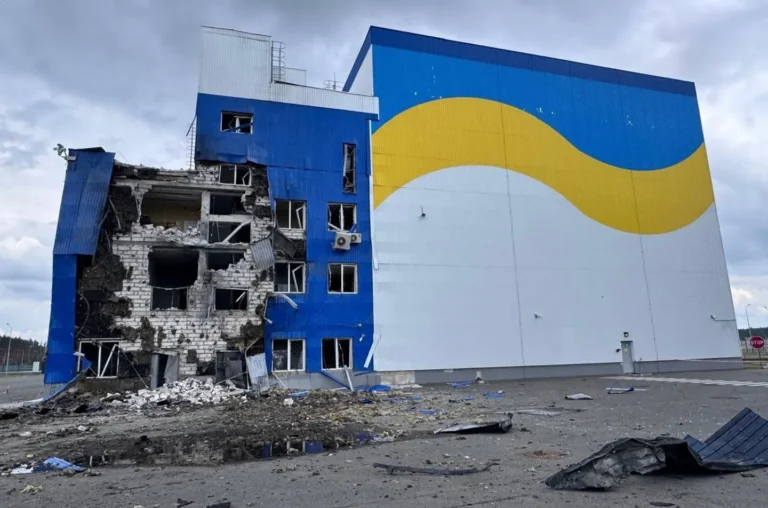
Disputes over the nature of the agreement—whether it functioned as a ceasefire or a permanent settlement—arose almost immediately. By June 27, President Donald Trump labeled Iranian strikes as a “foolish violation” of the deal, while Tehran countered that US military actions violated the first article of the MoU. By July 7, Trump declared the agreement “over,” and the US resumed offensive operations, including strikes that Tehran reports killed at least 50 people.
Iranian officials argue that the US failed to fulfill its promises regarding the release of frozen assets, the removal of the naval blockade, and the withdrawal of Israeli forces from southern Lebanon. Mostafa Khoshcheshm, a professor at the University of Applied Sciences in Tehran, told Al Jazeera that the ceasefire became obsolete due to these failures, noting that the deadline has now formally passed.
Tehran’s stance appears to be hardening, evidenced by a recent reshuffle of its national security apparatus. The appointment of former IRGC head Mohsen Rezaei as the new leader of the Supreme National Security Council is viewed by analysts as an attempt to better synchronize military and civilian operations. Khoshcheshm suggested that this shift indicates Iran believes it holds the upper hand and may enter future talks with more aggressive demands, including the denuclearization of Israel and the lifting of blockades in Yemen.
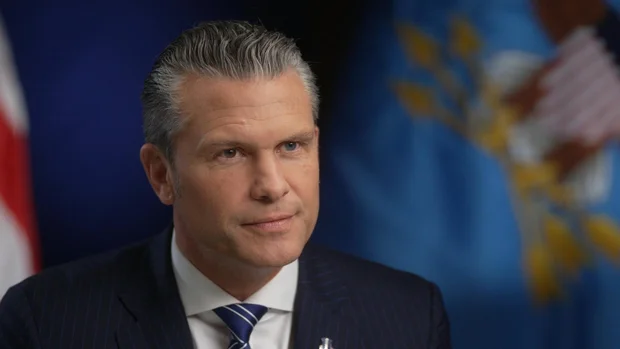
Conversely, the Trump administration has signaled an escalation in its rhetoric and economic pressure. On Friday, President Trump informed supporters in New York that the US intends to claim the Strait of Hormuz as American territory. Treasury Secretary Scott Bessent added that the US is preparing to apply unprecedented measures against Iran.
Despite these threats, experts like Barbara Slavin suggest that the US has few remaining levers to exert further pressure. Slavin noted that Iran is effectively “playing hardball” and forcing the international economy and the Trump administration to react, suggesting that a final resolution might be delayed until after the US midterm elections to minimize political fallout.
Iranian Parliament Speaker Mohammad Galibaf recently described the concessions won in the initial MoU as a “source of pride and victory,” asserting that Iran emerged successful both militarily and politically. Meanwhile, the Pentagon reported firing on a Panama-flagged cargo vessel earlier this week, claiming it violated the ongoing US blockade.
As the Monday deadline approaches, the interpretation of the agreement’s status remains polarized. Araghchi maintained that the Islamabad MoU represented the end of the war rather than a temporary ceasefire, arguing that since the US violated the terms, there was never a 60-day window that required extension.
The conflict continues to leave critical issues, such as Iran’s nuclear program and the war in Lebanon, largely unresolved. With both sides signaling a move away from the June framework, the future of diplomatic engagement in the region remains highly uncertain. The report also notes that signed on June 17 by Trump and Iranian President Masoud Pezeshkian, followed rare high-level talks hosted by Pakistan, the agreement. The report also notes that iran, for its part, was to clear mines from the Strait of Hormuz and allow ships to pass “with no charge” for 60 days. The report also notes that and by June 27, Trump was calling Iranian strikes in the region “a foolish violation” of the deal, whether the entire agreement was still in effect soon became disputed. The report also notes that here’s what you need to know as the MoU expires. The report also notes that much of the dispute since its signing has centred on more basic issues, such as whether it was a ceasefire or a more permanent agreement and what each side was supposed to do, although the US and Iranian versions of the agreement differed slightly. The report also notes that iran said US strikes “violate Article 1 of the Memorandum of Understanding”. The report also notes that iranian officials said the US had “violated and suspended” all its commitments and Tehran had “likewise suspended all our own commitments”. The report also notes that since then, the US has not fully lifted sanctions on Iran and Trump has scoffed at the idea of paying Iran for reconstruction, suggesting instead that Tehran pay compensation to families of protesters it had killed “over the last 50 years” as well as “all the people they have killed and gravely wounded with their roadside bombs and many conflicts”.