






Television audiences have long demonstrated a willingness to overlook the moral failings of fictional men, provided they are adorned in velvet and equipped with sharp fangs. This phenomenon is currently exemplified by the horny musical dramaThe Vampire Lestatwhich has become a cult success in the United States and recently premiered in the UK. Sam Reid’s intense portrayal of the titular character has garnered significant attention, marking a shift from the earlier seasons titledInterview With the Vampirewhich focused on Louis (played by Jacob Anderson) and his recounting of a toxic relationship with Lestat to a journalist.
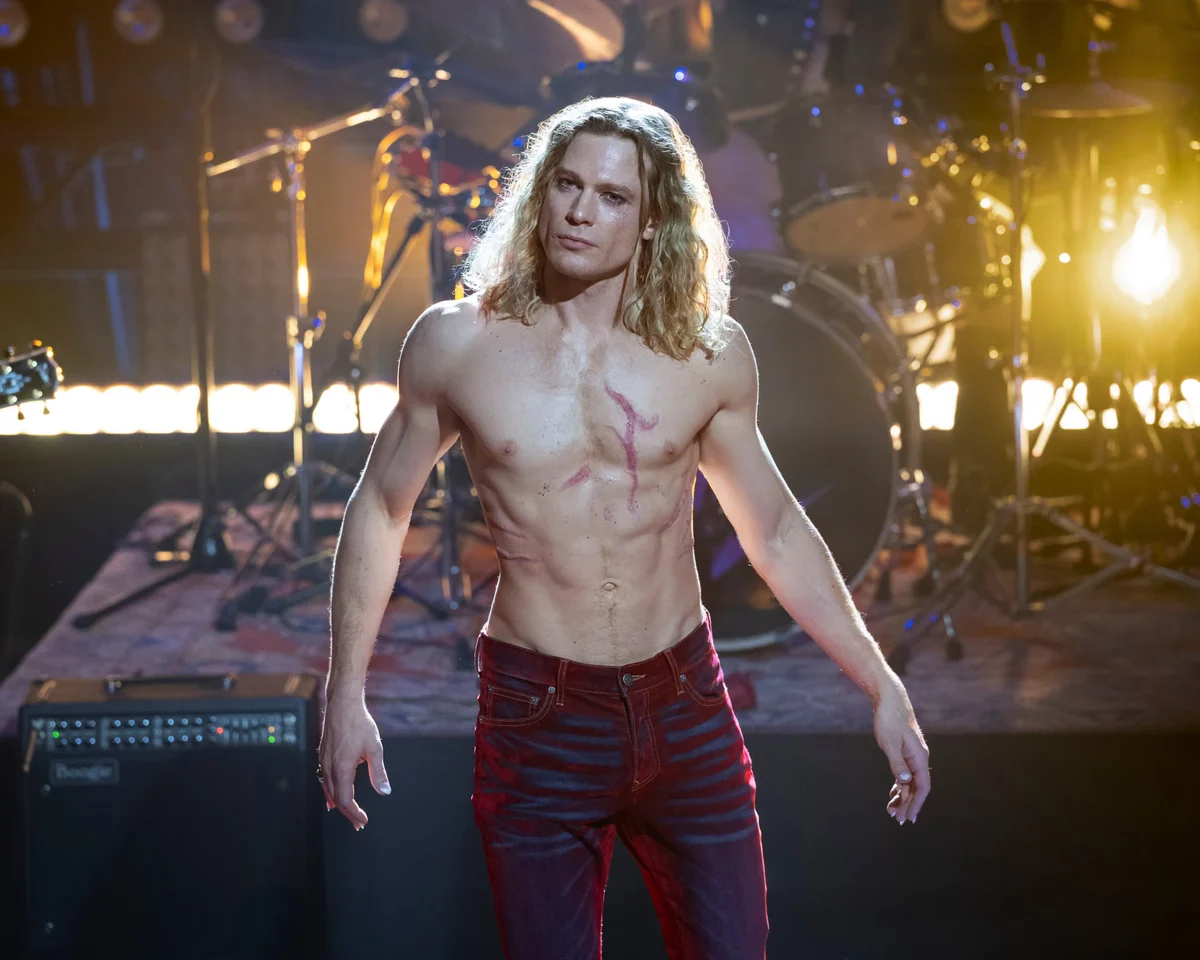
In the current iteration, the narrative centers on the golden-locked prince of darkness as he transitions from centuries of secrecy to the spotlight of glam-rock stardom. To capture the necessary “showmanship, magic and mystery” required to command an arena, Reid drew inspiration from bootlegs of David Bowie’s 1974Cracked Actortour. The result is a performance defined by a “dandy of the underworld” energy, featuring Lestat in ribboned pigtails and glittery eyeshadow. On stage, he writhes and plays the fiddle, performing campy tracks like “Don’t wanna learn another TikTok dance/Wanna stay in bed, eating black liquorice” and “You can’t fuck away the loneliness / It’ll wait til you’re done / Til you come / Like a vampire.”
Lestat’s off-stage life is equally provocative, characterized by his sexual relationship with his mother, Gabriella (played by Jennifer Ehle), and his consumption of LSD-laced blood. He is known for delivering lines such as, “I carry with me an immortal erection.” This portrayal follows a long tradition of seductive vampires on screen. Alexander Skarsgård’s turn as Eric Northman inTrue Bloodand Lady Gaga’s performance as The Countess inAmerican Horror Storyestablished bloodlust as a compelling aesthetic. Other notable examples include the cast ofWhat We Do in the ShadowsClaes Bang’s portrayal of Dracula in the BBC series, and a brief appearance by a vampire inCommunitythat left the character Annie swooning.
The enduring appeal of these characters lies in their embodiment of power, immortality, and beauty, often serving as a canvas for the toxic romantic tropes frequently seen in pop culture. Much like the persistent romcom heroes found inYou’ve Got MailorYouvampires represent the ultimate “I can fix him” narrative. This dynamic is famously illustrated by Spike inBuffy the Vampire Slayerwho is redeemed through love, and Angel, whose morality is shattered by a single night of intimacy. These narratives suggest a deep-seated fascination with dangerous figures who possess the capacity for both mass destruction and total devotion.
Beyond the surface-level appeal of leather jackets and intense charisma, the vampire figure has historically served to challenge societal norms. In her 2024 bookVampires: A Handbook of History & Lore of the UndeadAgnes Hollyhock notes that gothic fiction utilized the vampire to subvert Victorian moral panic. By operating outside of linear mortal time and traditional family structures, vampires represent a rejection of polite society and a symbol of forbidden desire. Their power is rooted in aura and seduction rather than conventional gender roles.
Lestat specifically embodies this disruption through his unapologetically queer identity and his unhinged, passionate romance with Louis. His ability to exist outside heteronormative expectations makes him a modern poster-vamp for sexual freedom. Whether it is the danger, the immortal aesthetic, or the desire to escape societal constraints, the TV vampire remains an irresistible archetype. Ultimately, the fascination with Lestat and his peers extends far beyond simple forbidden love, proving that audiences remain captivated by the complex, often dark, allure of the undead. The report also notes that and even Jeff’s fleeting stint as a vampire in Community’s Horror Fiction in Seven Spooky Steps episode sees Annie swoon over her tame bl, claes Bang in the BBC’s otherwise chaotic Dracula was undeniably easy on the eye. The report also notes that (Think about it: pop culture has long conditioned us to desire the romcom hero who relentlessly pursues a female lead despite being told no until he wears her down, such as Joe Fox (Tom Hanks) in You’ve Got Mail or Joe G. The report also notes that just sharpen his fangs and stick him in velvet, i f you want TV audiences to forgive a fictional man for absolutely anything. The report also notes that the show has now arrived in the UK and Sam Reid’s searing performance as Lestat has fans on their knees. The report also notes that he writhes, growls and grinds on stage as he plays the fiddle and belts out ridiculously campy songs. The report also notes that too, in The Vampire Diaries, Supernatural and the entire cast of What We Do in the Shadows, who are somehow ridiculously hot despite being total buffoons (Matt Berry has ruined normal men for me), endlessly seductive vamps show up. The report also notes that and even Jeff’s fleeting stint as a vampire in Community’s Horror Fiction in Seven Spooky Steps episode sees Annie swoon over her tame bloodsucker, breathlessly sighing, “Look how much I’ve changed you!” when he begins quoting literature at her, claes Bang in the BBC’s otherwise chaotic Dracula was undeniably easy on the eye.