









Iranian authorities have committed to maintaining their crackdown on the Starlink satellite internet service while signaling that further global internet restrictions may follow amid the ongoing conflict with the United States and Israel.
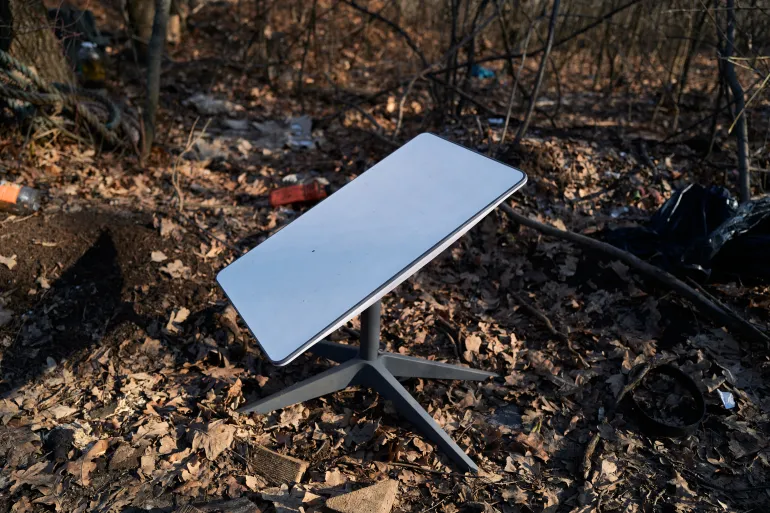
Elon Musk’s Starlink bypasses heavy state filtering and remains illegal in Iran due to national security concerns. Possessing or using satellite internet terminals carries baseline prison sentences ranging from six months to two years, while importing and distributing the equipment can result in jail terms of up to five years, with espionage charges carrying the death penalty. They can also identify Starlink-associated internet protocols if they connect to local applications and services.
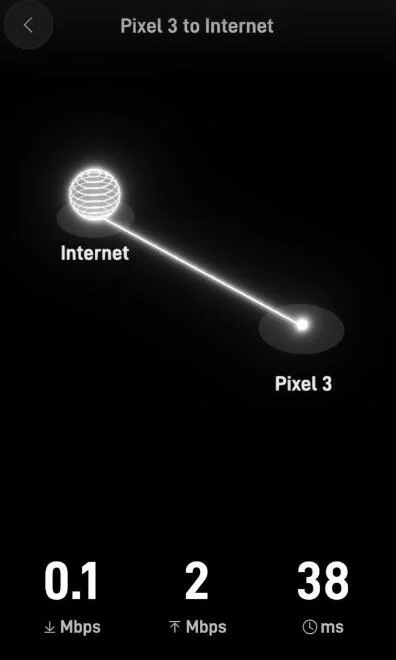
These curbs form part of a broader set of measures enacted after US and Israel strikes began on February 28, triggering a prolonged and economically costly war. Throughout 2026, Iran’s 90 million residents have faced two extended state-mandated internet shutdowns: a three-week blackout during January nationwide protests and an 88-day disruption at the outset of the war. Prove costly or provide unsafe connections that jeopardise user data, and become harder to come by during periods of state-imposed internet blackout, but those tools can reduce connection speeds.
Mohammad Amin Aghamiri, secretary of the Supreme National Cyberspace Council, labeled Starlink an enemy instrument of war. He stated that it functions as a command, control, espionage, and information-gathering asset, adding that officials possess multiple systems capable of cutting off Starlink satellite terminals.
Aghamiri did not specify which devices or methods were deployed, though one system was active during the January protests, and authorities remain ready to share the technology with allied nations. Iran has also sought to pressure the US and Norway through the International Telecommunication Union’s Radio Regulations Board since 2023 to halt transmissions, recently summoning the Norwegian ambassador in Tehran on October 4 over unauthorized Starlink operations. On October 4, Iran’s Ministry of Foreign Affairs summoned the Norwegian ambassador in Tehran to protest against what it described as a failure to act over unauthorised Starlink operations.
During a late September governance meeting, Deputy Technology Minister Mohammad Hafez Hakami warned that widespread adoption of Starlink could deal a decisive blow to Iranian cyberspace governance. Hakami noted that past protests led to the blocking of Telegram, WhatsApp, and Instagram, culminating in a weeklong shutdown in 2019 and a near-total blackout in January 2026. He cautioned that future crises might require cutting off electricity entirely because Starlink operates independently of domestic networks. But had to resort to a weeklong internet shutdown for the first time during the nationwide protests in 2019, he pointed out that the government blocked the messaging app Telegram after the cost-of-living protests in 2017-18. Which preceded the near-total shutdown during the January 2026 protests, whatsApp and Instagram were blocked after the 2022-23 protests. “If this trend continues, in the next crisis we will have to cut electricity, because Starlink, as a new tool of evading state governance, is fundamentally not even dependent on our network,” Hakami said. Starlink has allowed Iranians to send out videos of the protests abroad since 2022 despite state restrictions.
An anonymous Tehran-based telecommunications expert explained that Iranian authorities utilize multiple jamming configurations, spoofed GPS locations to disrupt new setup procedures, and internet protocol tracking to neutralize Starlink connections. Security forces also conduct physical patrols, drone searches, and raids on locations selling the terminals.
In June, former Israeli Prime Minister Naftali Bennett claimed that Israel smuggled tens of thousands of Starlink terminals into Iran between 2021 and 2022 to support antigovernment demonstrators. While an unknown number of devices remain active, most citizens lack access due to financial costs, limited availability, and severe crackdown risks, forcing them to rely on the heavily restricted domestic National Information Network.
To navigate these barriers, many residents utilize virtual private networks, despite reduced speeds, high costs, data security risks, and reduced reliability during state blackouts. Aghamiri urged citizens to use domestic platforms and endorsed a tiered-access model offering protected international connectivity to selected groups such as researchers, traders, and journalists.
Government spokesperson Fatemeh Mohajerani acknowledged during a Tuesday news conference that state agencies deliberately disrupt internet speeds to protect critical databases and national assets from cyberattacks, adding that further restrictions remain possible if the war intensifies.
State-linked media subsequently released a long-delayed policy and governance framework document for the cyberspace council. The text offered no timeline for restoring blocked platforms, as implementation has been repeatedly stalled by ongoing protests and military conflicts.