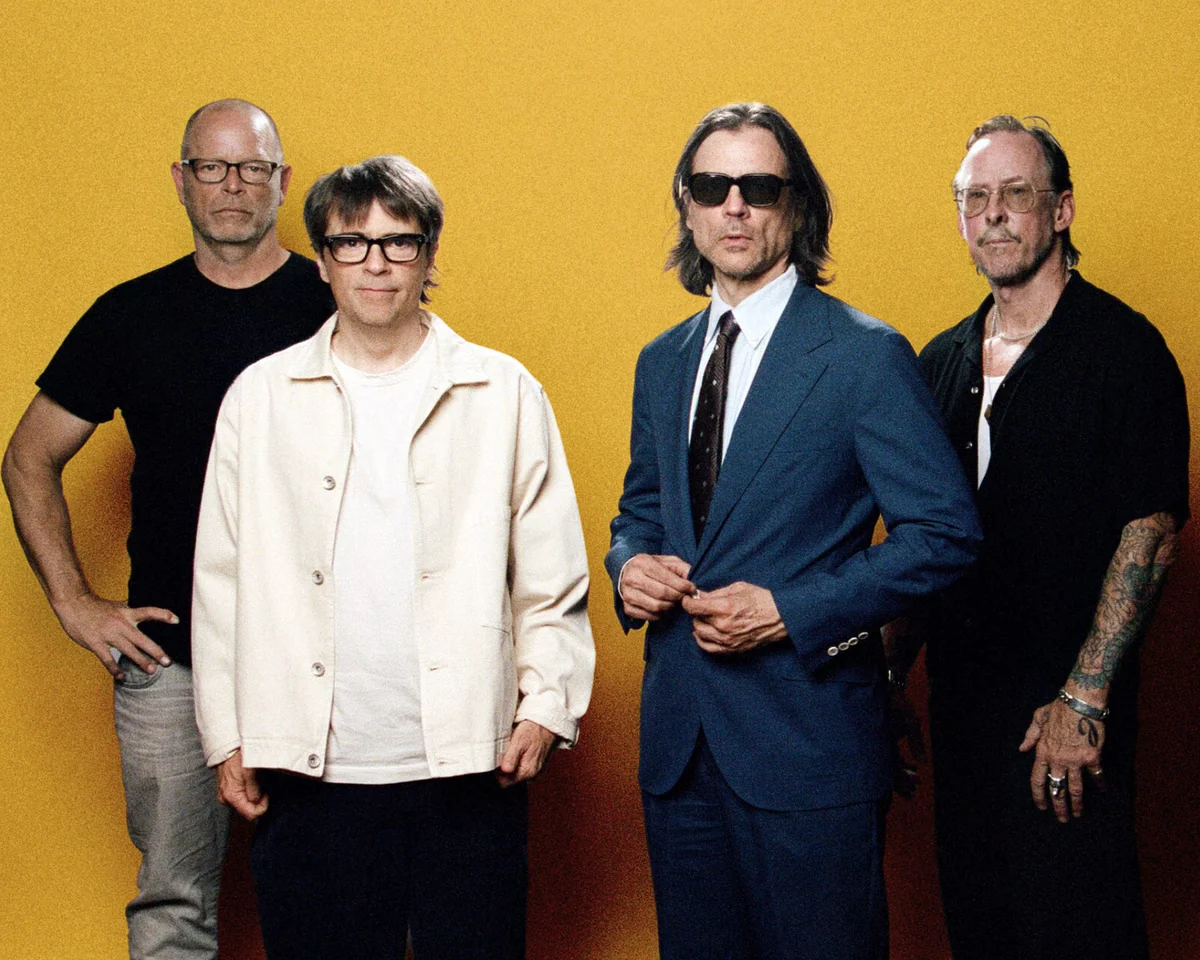









Weezer’s 20th studio album arrives with a self-aware nod to the band’s origins. The opening track, titled “CEO,” features singer-guitarist Rivers Cuomo lamenting the pressure to produce “another 90s jam” while wishing he could explore “something new – but nobody wants to hear that.” The song, set to a slow, Velvet Underground-inspired backing, serves as a meta-commentary on the band’s career and Cuomo’s own frustrations regarding the persistent audience demand for music reminiscent of their first two records.
This creative direction follows the 2022 release of “SZNZ,” a four-album song cycle corresponding to the seasons. Cuomo, 56, noted that data from the streaming era revealed a decline in listenership as the project progressed. This realization prompted him to shift his mindset. Speaking from his home in Santa Monica, California, Cuomo explained that he decided he needed to “think strategically” and move away from acting like a “mad scientist in the research and development department.”
The new album, which fans have already dubbed the “Gold Album” due to its sleeve color, represents a deliberate effort to create music that resonates with the band’s core audience. Cuomo describes his process as “sonic architecture” and prefers the title of “composer” over “songwriter,” noting that the latter term feels too somber. His bandmate, 57-year-old drummer and guitarist Patrick Wilson, agrees, adding that their collaborative process is more visceral, often involving the excitement of discovering a “sick riff” together.
Methodology remains central to Cuomo’s workflow. He famously utilizes Google Sheets to organize his creative output, including a legendary document titled “The Encyclopedia o’ Riffs” that tracks his unfinished ideas. This analytical approach extends to the band’s live performances, which Cuomo views as the essential testing ground for new material. Despite the success of this process, Cuomo admits that the intense focus required for such detailed work can sometimes cause friction in his personal life, noting that he occasionally has to prioritize his creative momentum over other responsibilities.
The band’s longevity has been tested by significant challenges, including the 2011 death of bassist Mikey Welsh from a suspected drug overdose. Despite such traumas, Wilson reports that the band members get along well today. The “Gold Album” reflects this stability, featuring more collaborative songwriting than previous efforts. However, Cuomo still carries the weight of the band’s trajectory, referencing the commercial disappointment of their 1996 sophomore album, “Pinkerton,” in the lyrics of “CEO” as a reminder of the need to keep the “rocket in the sky.”
Cuomo’s musical journey began in a Connecticut Buddhist ashram, where he learned techniques to calm his mind and body before discovering heavy metal as a teenager. He eventually formed a hair-metal band called Avant Garde, influenced by Yngwie Malmsteen. The failure of that project to gain traction on the Sunset Strip was a formative, albeit heartbreaking, experience that ultimately pushed him toward the sound that would define Weezer.
Formed in the wake of Nirvana’s success, Weezer stood out for their unconventional aesthetic. Influenced by the Pixies, Cuomo initially attempted to emulate Black Francis’s vocal style on early demos. The band’s image—glasses, unhip clothing, and lyrics about Dungeons & Dragons—led the press to label them as nerds, a tag they eventually embraced. Wilson notes that while contemporary slang might call this “being a sweat” or “fronting,” the band’s honesty and Cuomo’s pop sensibilities allowed them to connect with a wide audience.
Despite the massive success of their debut album, which reached quintuple-platinum status, Cuomo experienced profound disillusionment during the subsequent touring cycle. He had expected fame to provide fulfillment, but instead found himself struggling with the reality of his position. This led him to take a hiatus from the band to study classical composition at Harvard, a period that deepened his understanding of songwriting even as he remained unhappy.
During his time at Harvard, Cuomo drew inspiration from Puccini’s “Madama Butterfly” to create “Pinkerton.” The album was an unguarded exploration of his loneliness, sexual confusion, and dissatisfaction with success. One track, “Across the Sea,” famously detailed his infatuation with a Japanese teenager who had sent him a fan letter. Looking back, the band’s history remains a complex mix of obsessive creativity, strategic adaptation, and the ongoing effort to balance artistic integrity with the demands of a long-term career. The report also notes that their 20th, blatantly mimics the US rockers’ 1994 debut single, Undone (The Sweater Song), t he first song Rivers Cuomo wrote for Weezer’s new album. The report also notes that but also one that allows Cuomo to gently vent “my frustrations over people wanting me to just write songs about our first two albums”, it’s a deliciously meta moment. The report also notes that the four-album song-cycle Weezer released throughout 2022, each album named after a season, cuomo wrote the song straight after SZNZ. The report also notes that though, he realised that, with each subsequent SZNZ, “fewer and fewer people were listening to them”, thanks to the kind of data artists have at their fingertips in the streaming age. The report also notes that on a video call from his home in Santa Monica, California, where Cuomo, 56, lives with his wife and children, he says he realised: “If I want people to listen to my music, I need to think less like a mad scientist in the research and development department and more like a CEO.” Accordingly, he took several years off from releasing any new material (“to build up demand”), ditched the high concepts of SZNZ and focused. The report also notes that on creating what he thinks the fans want. The report also notes that “The term ‘songwriter’ feels like Paul Simon’s about to explain a sombre part of life,” adds his bandmate Patrick Wilson, 57, who plays drums and guitar and joins the interview from the garage of his California home. The report also notes that (One spreadsheet, which he has named “The Encyclopedia o’ Riffs”, keeps track of all his unused and unfinished ideas and is legendary among Weezer fans.) He also can’t resist a kooky conceptual hook to guide his songwriting – see the group’s 2021 heavy metal set, Van Weezer, or OK Human, their orchestral rock opus of the same year, or, obviously, SZNZ.