








Every year, the wellness industry churns out new products and practices that it claims are finally – finally! – the real secret to being well. Sometimes, these trends are legitimate, but often they are scientifically questionable. These are the wellness trends that have provoked controversy and interest in 2026.
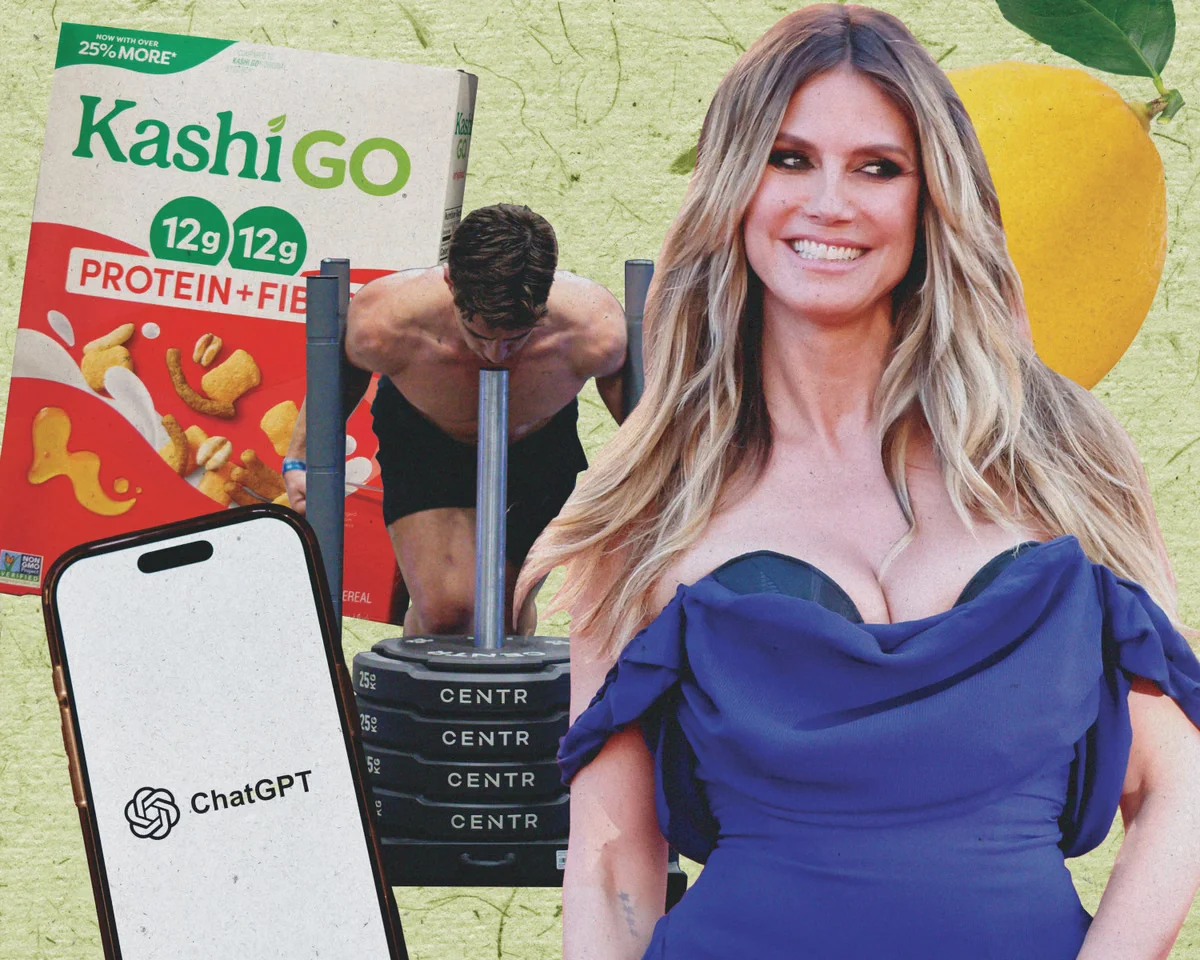
Artificial intelligence has rapidly become part of every area of life, including wellness routines. More and more people are turning to chatbots for nutrition advice, fitness routines and even guidance on how to navigate complex personal challenges. In May, Guardian readers shared how they have incorporated AI into their fitness routines. Some said the personalized information helped them stick to a routine and meet their fitness goals, but others acknowledged it was an imperfect tool.
“It can be wrong, and confidently so,” said one AI user. As for personal growth, AI can lower the barrier to self-reflection; chatbot prompts may help you more clearly define your questions and goals. But because these technologies are trained on large-scale, human-generated data, their recommendations risk being over-generic, and reinforcing “dominant cultural narratives, rather than what is meaningful for an individual.”
In an interview last year, supermodel Heidi Klum revealed that she and her husband were undertaking a parasite cleanse because, as she put it, “everything on my Instagram feed at the moment is about worms and parasites.” The idea has trickled down through social media, though experts warn that while parasitic infections are real in areas with poor sanitation, they are far less common in developed regions. Such cleanses often lack clinical backing.
Protein has been having a moment, and the usual sources—meat, eggs, dairy—aren’t cutting it anymore. Increasingly, consumers are supplementing their regular intake, a practice dubbed “proteinmaxxing.” Some credit it to the boom in GLP-1 medications: when people eat less, consuming an adequate amount of protein to maintain existing muscle becomes especially important. But experts agree functional food claims should be taken with a grain of salt.
Sometimes known as “F-you rings,” divorce rings are the result of refashioning engagement and wedding rings after a marriage ends. The trend took off among celebrities like Emily Ratajkowski. “It’s not an F-you to an ex-husband, necessarily,” said one woman who reworked her ring. “It’s an F-you to the expectations, to the norms, to this belief that a woman’s sole purpose is to be a man’s wife, not their own person.”
Another viral trend involves mixing olive oil with lemon juice. Though this combination sounds like the base of a nice salad dressing, social media influencers started drinking it as a shot, claiming it improves skin and digestion. While olive oil is a healthy monounsaturated fat that helps lower bad cholesterol, experts agree you would be better off eating the mixture with a salad rather than drinking it plain.
Every once in a while, a new fitness method consumes young professionals with free time and disposable income. Before, it was CrossFit. Now, there’s Hyrox. Founded in 2017, Hyrox is a competition that occurs over several days. It consists of eight 1km runs and eight different workouts, including pulling and pushing sleds, farmer’s carry, and burpee broad jumps. “I had hoped my baseline fitness and adrenaline would carry me through,” wrote Wilson Wong regarding his experience.
“Boy kibble” describes a meal that has long been popular among fitness enthusiasts: rice, ground protein and some kind of vegetable. This is essentially old-school bodybuilding fuel rebranded for the social media age. Meanwhile, the burned haystack dating method, developed by Dr. Jennie Young, a professor of rhetoric, offers an answer to the question of how to find a partner by setting strict rules of engagement and identifying 33 red flag rhetorical patterns.
The billion-dollar vaginal probiotic industry continues to sell supplements and suppository capsules which it claims can improve vaginal health and prevent infections, despite ongoing debate regarding their efficacy. Similarly, as research shows that men’s average sperm count has dropped significantly since the 1970s, online influencers have peddled dubious solutions called “spermmaxxing.” Experts maintain the best approach for reproductive health remains simple: get enough sleep, eat healthy and move your body. The report also notes that nutrition expert Dr Marion Nestle says most of the claims made by these foods have “nothing to do with science. The report also notes that don’t spend too much time on the apps; don’t message for too long before meeting in person) and 33 red flag rhetorical patterns (for example, sending an inappropriate, there are also 10 “rules of engagement” (for example.