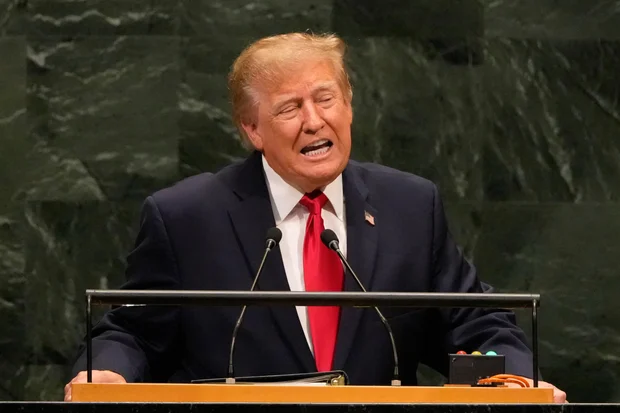






President Trump used his address before the United Nations General Assembly on Tuesday to defend his administration’s handling of international disputes, framing his foreign policy as a decisive departure from the inaction of his predecessors. During his 35-minute speech, the president boasted of his ability to tackle decades of intractable challenges by proactively utilizing American power, stating that while others have merely discussed solutions, he has taken concrete action.
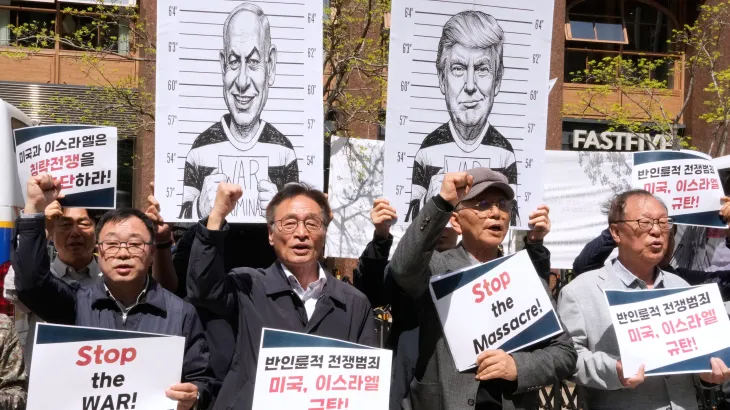
A major focus of the address was the ongoing war with Iran, which is set to reach its seven-month duration next week. Trump asserted that his military intervention was necessary to block Tehran from developing nuclear weapons. In a stark ultimatum, the president questioned whether a diplomatic path remained viable or if he would be forced to annihilate the Islamic Republic entirely to ensure it could no longer threaten other nations.
Despite the aggressive rhetoric, Trump expressed optimism that a peace agreement could be secured shortly after the upcoming U.S. midterm elections. He claimed that Iranian leaders were currently waiting to gauge his political standing, adding that he expects them to realize that a deal is in their best interest. He also confirmed that his son-in-law, Jared Kushner, and special envoy Steve Witkoff held productive discussions with Iranian representatives on the sidelines of the summit.
Responding to concerns regarding military readiness, Trump dismissed reports of dwindling munition stockpiles. Although the Pentagon’s inspector general recently warned of strategic inventory shortfalls, the president insisted that the U.S. remains more heavily armed than ever, noting that he possesses more munitions than he could ever realistically deploy.
Beyond the conflict with Iran, the president addressed his efforts to broker peace between Israel and Hamas in the Gaza Strip and his ongoing struggle to conclude the war in Ukraine. He touted his administration’s assertion of influence in the Western Hemisphere, specifically citing interventions in Venezuela as evidence that the U.S. will no longer tolerate regional threats, while highlighting the procurement of Venezuelan oil as a strategic victory.
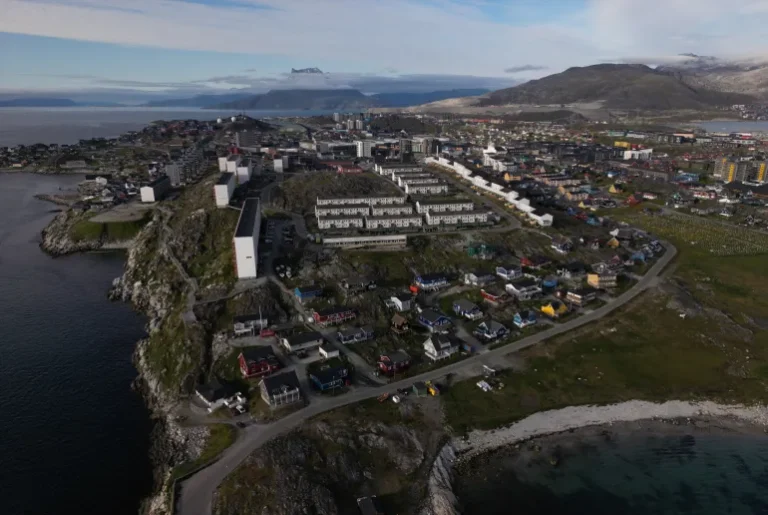
During the session, Trump also celebrated a new security agreement signed with Greenland and Denmark, which designates Greenland as a critical northern frontier for North America. This deal allows for the expansion of U.S. defense infrastructure in the region, a move that follows months of tension with European allies and Canada over defense spending and trade policy.
On the domestic front, the president used the global stage to pivot toward technology policy. He criticized skeptics of artificial intelligence, suggesting a rebranding of the technology to superintelligence, or SI. Trump argued that concerns surrounding the rise of automated intelligence mirror the alarmism once directed at climate change, and he affirmed that he would not obstruct the growth of an industry he views as potentially more significant than the Industrial Revolution.
The U.N. gathering also serves as a backdrop for a series of high-stakes diplomatic meetings. While the president’s interactions with world leaders are reportedly less accessible to the press than in previous years, he is scheduled to engage with British Prime Minister Andy Burnham and Japanese Prime Minister Sanae Takaichi. Having already met with French President Emmanuel Macron, he also expects to hold talks with Venezuelan acting leader Delcy Rodriguez.
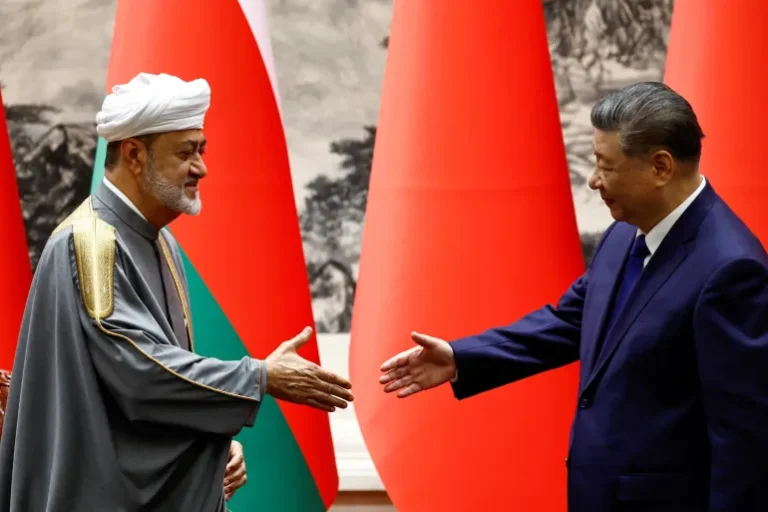
Looking ahead to Thursday, the White House is preparing for a state visit from Chinese President Xi Jinping. Despite ongoing economic tensions and disputes over trade, Trump has maintained a diplomatic tone regarding the Chinese leader. He recently downplayed allegations that Chinese entities provided satellite intelligence to Iran—a claim reported by the Wall Street Journal—and has expressed satisfaction with the current state of communication between Washington and Beijing.
The administration remains focused on the potential impact of a law signed last week that imposes heavy tariffs on major customers of Russian energy, a policy that could directly affect China’s status as the world’s largest purchaser of Russian crude oil. Throughout the day, the president consistently emphasized that his administration’s strategy of confrontational diplomacy has succeeded where previous leaders failed, characterizing his approach as a necessary exertion of strength to secure vital national interests. The report also notes that i do not believe in letting problems fester. The report also notes that the president justified his decision to begin the war with Iran, framing it as an effort to prevent Tehran from acquiring a nuclear weapon, in his remarks. The report also notes that after recounting the run-up to the war and the failed negotiations to end the fighting over the past several months, Mr. The report also notes that maybe one of the greatest in the Middle East or even the world?” he said. “Or do I annihilate the Islamic Republic and do it quickly, never giving them a chance to kill and destroy people and countries again, will a deal be made with Iran that lets them rebuild and create a far greater country than it ever was before. The report also notes that do I drive them into hell with no chance of survival and no hope of future greatness or generations. The report also notes that right after the election,” he continued. “Because it doesn’t make sense for them not to, but I believe we’ll make a deal.