








Iran’s Islamic Revolutionary Guards Corps launched a series of drone strikes targeting a US air defence radar at the Al-Rifaa helicopter base in Bahrain. This operation, which involved six drones, was described by Tehran as a retaliation for what it termed “hostile US actions.” Bahraini authorities confirmed that their air defences successfully intercepted the incoming drones before they could strike their designated targets. The attacks on Sunday prompted sirens and alerts from Bahrain’s authorities urging residents to seek shelter.
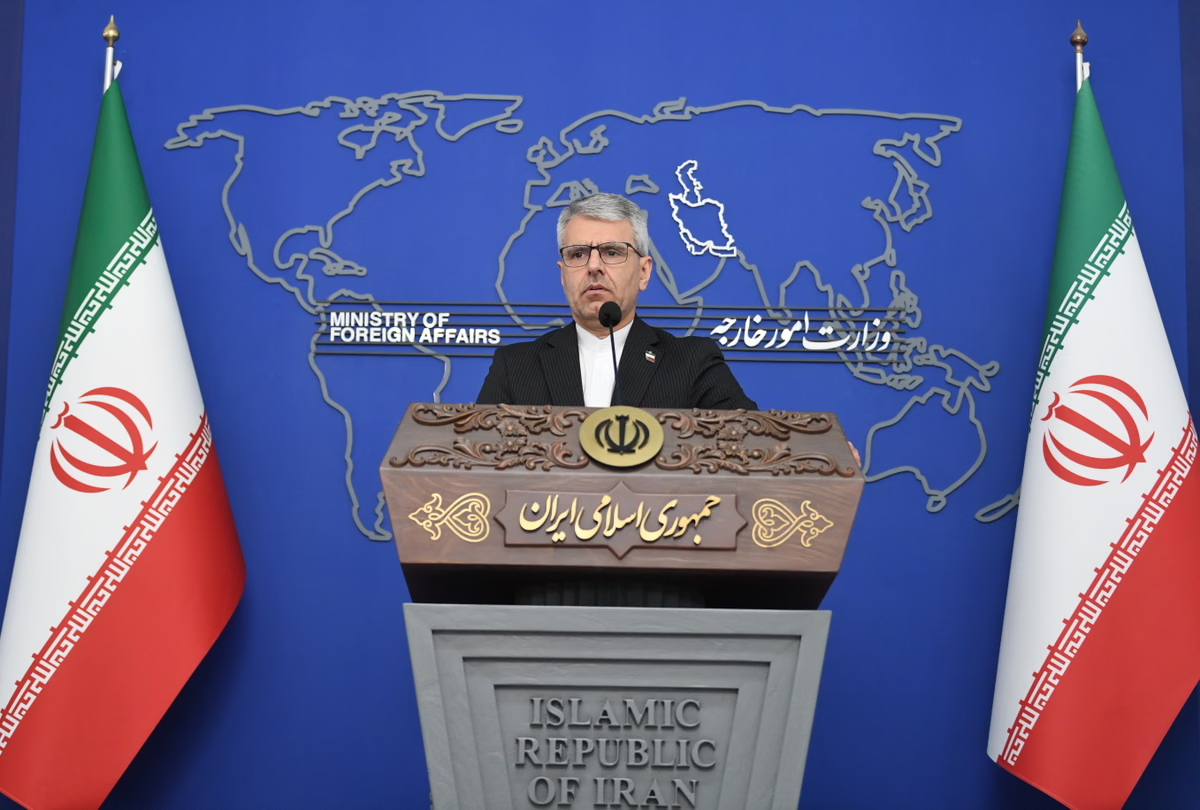
The incident on Sunday marks the second such attack in three days, significantly heightening regional instability and casting further doubt on the viability of peace negotiations between Tehran and Washington. In Tehran, foreign ministry spokesperson Esmaeil Baghaei stated that the government would persist in responding to military aggression from the US or other nations. When asked about the impact on diplomatic stalled talks, Baghaei noted that Iran was “not waiting for anyone” and remained focused on its own security. The developments deepened gloom about the chances of any diplomatic breakthrough in the region.
Bahrain, which hosts critical US military infrastructure including a central support hub for the US Fifth Fleet and Naval Forces Central Command, has condemned the strikes. The kingdom’s foreign ministry labeled the aggression a violation of international law, rejecting Tehran’s “flimsy pretexts” and warning against the use of its territory as a theater for regional score-settling. Jordan, Egypt, Saudi Arabia, and Qatar have also voiced their solidarity with Bahrain regarding these attacks.
Local residents have expressed deep anxiety over the return of hostilities. Hayat Ibrahim, 65, told reporters that the renewed cycle of attacks brings back feelings of uncertainty and alarm. The conflict has remained deadlocked since joint US and Israeli military operations began in February, with the US maintaining a naval blockade while Iran continues to exert pressure over the strait of Hormuz. “It’s exactly what I was hoping wouldn’t happen: Iranian attacks starting again, with all the worry and uncertainty that go with them,” resident Hayat Ibrahim, 65, told Agence France Presse.
Beyond the Bahraini strikes, the Revolutionary Guards claimed that two ships in the strait of Hormuz were damaged by mines, with an oil supertanker carrying 2 million barrels of oil allegedly sinking. Although US military officials recently stated they had cleared the waterway of mines, there was no immediate verification of the Iranian claim. According to the ships suffered “massive explosions and fire”,, The statement.
Tensions are also worsening in Yemen, where Houthi rebels have advanced against pro-government forces. The Southern Armed Forces confirmed a retreat from the Bab el-Mandeb area and Dhubab Airport to strengthen defenses near Aden. This move highlights the faltering of a six-week government counteroffensive intended to secure the Red Sea transit point. A subsequent Houthi missile strike in the vicinity of Aden reportedly resulted in fatalities and left 12 people wounded. The admission signalled the apparent failure of a six-week government counteroffensive to drive the Houthis from the mouth of the Red Sea to secure a key oil route.
US President Donald Trump recently characterized strikes against Iranian targets as minor and noted that Gulf partners have advised against large-scale combat.
However, the President also indicated that Washington is no longer pursuing a deal with Iran.
Vice-President JD Vance has been redirected to focus on domestic issues, despite his previous efforts to arrange peace talks with Iranian negotiators. The current situation remains volatile, characterized by tit-for-tat military movements and an increasingly uncertain diplomatic landscape across the Gulf and Yemen. Vance – who blamed the Republicans’ loss of Congress in midterm elections on the Iran war – had requested a personal meeting with Iranian negotiators to discuss peace terms.