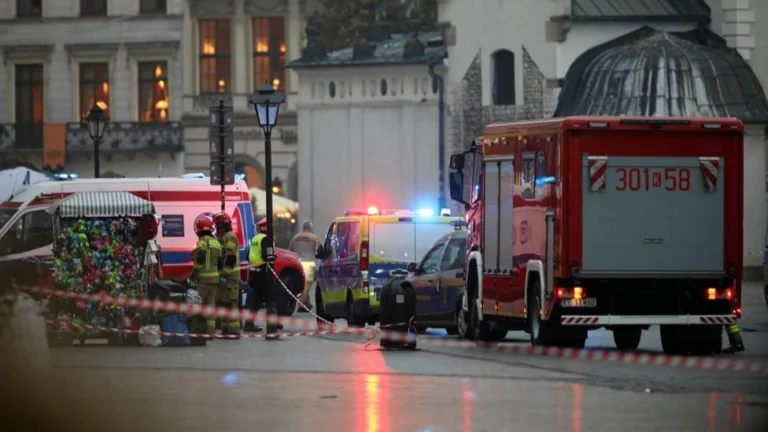










As Russia struggles to secure significant ground gains in eastern Ukraine, it has shifted its focus to a relentless air campaign. Analysts and officials warn that the Kremlin is systematically targeting Ukraine’s economy to break the nation’s resolve ahead of upcoming peace talks expected to be mediated by the United States. A United Nations independent investigation recently determined that these intentional strikes on civilian energy systems constitute war crimes and crimes against humanity. An independent United Nations investigations panel last week concluded that Russia committed war crimes and crimes against humanity by intentionally attacking civilian infrastructure, particularly with attacks on vital energy systems during the severe winter of 2025-2026. “It’s not going to be a winter as usual,” he told. The number of Russian strikes launched on Ukraine has increased steadily in 2026. According to some of that infrastructure has both civilian and military purposes, but experts, Recent attacks have brazenly targeted civilians alone. Civilians are also paying a high price.
John Lough of the New Eurasian Strategies Centre in London noted that Moscow’s strategy appears clearly aimed at destroying the Ukrainian economy. He suggests that Vladimir Putin has concluded that traditional battlefield tactics in Donbas are insufficient due to Ukraine’s relatively successful summer, leading him to focus on systematically crippling the country’s financial stability. Lough warned that many European allies may underestimate the severity of the developing situation and the potential for a massive, long-term financial burden on the continent. “Putin has concluded that he can’t win in Donbas by committing more men to battle and trying to push forward, because the Ukrainians have actually had a relatively successful summer,” Lough said. As emergency rescuers were searching for people trapped under the rubble, Ukrainian authorities said, the site was attacked again with a drone on Sunday. Many of Ukraine’s power stations are damaged beyond repair.
The humanitarian impact is already profound, with researchers at the conflict monitor ACLED reporting that civilian deaths reached their highest levels since the early months of the war, with over 2,700 civilians killed in 2026 alone. The intensity of the aerial assault has surged throughout the year; monthly Russian strikes climbed from 3,650 in January to 5,532 by October. Cristian Vlas of ACLED predicted that the country faces a dire humanitarian crisis this winter, arriving much earlier and with greater intensity than previous years.
Ukraine has also intensified its own operations, conducting 2,302 strikes inside Russia during October, including efforts by the Ministry of Defense to target at least seven facilities linked to weapons manufacturing. Despite this, Russian strikes remain frequent against vital civilian and industrial targets, including Black Sea export routes, Danube River ports, and major steel plants in cities like Kryvyi Rih and Zaporizhzhia. These closures directly slash tax revenues and worker salaries, compounding a decade of economic strain for eastern residents. According to ukraine’s Ministry of Defense, It hit at least Russian seven enterprises involved in weapons production, three military airfields and key radar and military communications facilities last month. One of the deadliest incidents of a conflict in its fifth year, at least 55 Ukrainians were killed Monday when Russia bombed a school building used as a shelter and aid center in Zaporizhzhia. The city of Kryvyi Rih has raised the alarm about “serious socio-economic consequences” and loss of income for thousands of families due to the steel plant closure. “Those are hits to Ukraine’s tax base, not just you know ‘industry’ in a very abstract manner,” Vlas said. “It hits at the people’s salaries.”. According to he also, There are widespread power outages in other regions, including Kharkiv and Zhytomyr. The higher civilian casualties come as Russia has expanded its use of jet-powered Shahed drones and loitering munitions – weapons that are difficult for Ukrainian forces to shoot down. Which are one of the few defensive weapons that can take down a Russian ballistic missile, ukraine is also dealing with a persistent shortage of US-made Patriot interceptors. As a result, “the civilian fatalities and casualties have been increasing almost since April, almost constantly.
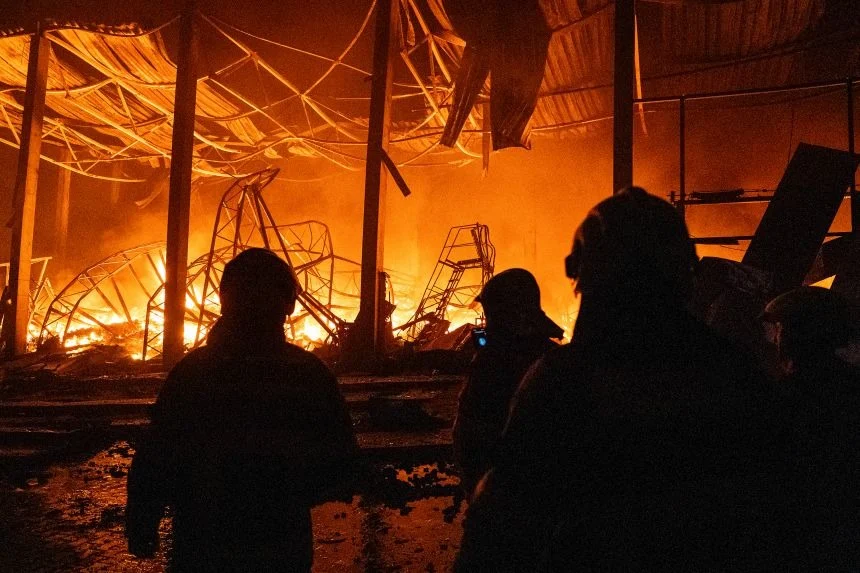
The targeting strategy has also evolved to include daytime attacks on malls and warehouses, which serve to disrupt the flow of goods and force businesses to close during mandatory air-raid alerts. “What that does is that it activates an air alert under which many Ukrainian government buildings or businesses cannot legally operate, and so that disrupts business,” she told.
Kateryna Stepanenko of the Institute for the Study of War noted that these strikes are creating economic firestorms, particularly as Russia hits infrastructure in previously stable regions like Rivne. The cumulative effect is severe; in the Dnipropetrovsk region, an overnight attack recently left 600,000 people without power, while local officials in Kyiv reported that 40% of the city’s buildings lacked heating by last weekend. “We just have to keep in mind the cumulative effect of this war, and the very great fatigue on the Ukrainian side,” Lough said. “With the fabric of the economy strained in this way, it’s really a very dangerous moment.”.
The situation for citizens is critical. In the Mykolaiv region, 91% of surveyed households expressed an urgent need for financial aid, a figure that stands at 42% in Dnipropetrovsk. Olga Kashuba of the International Rescue Committee emphasized that the destruction of local grocery shops and warehouses eliminates income sources for thousands, forcing residents into life-changing, desperate decisions. Foreign Minister Andrii Sybiha warned that Moscow is deliberately attempting to use darkness and freezing temperatures to achieve what it could not secure on the battlefield. Meanwhile, Ukraine’s foreign minister Andrii Sybiha gave yet another stark warning this weekend, as the first snowfall of the year arrived in Ukraine.