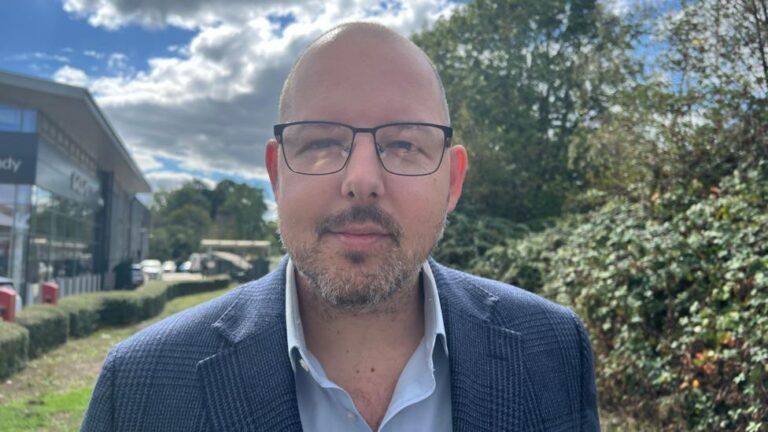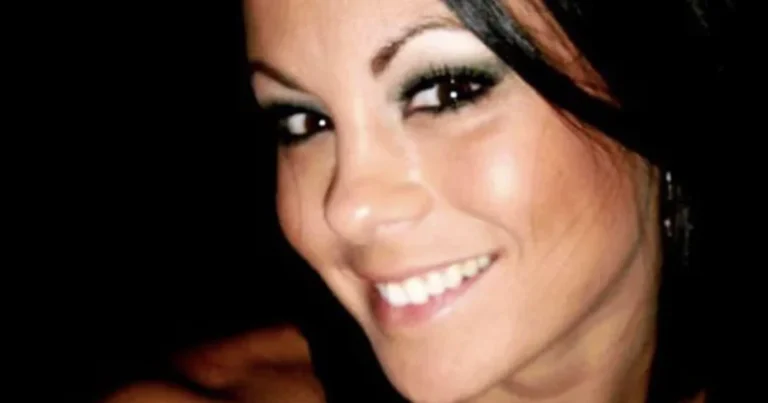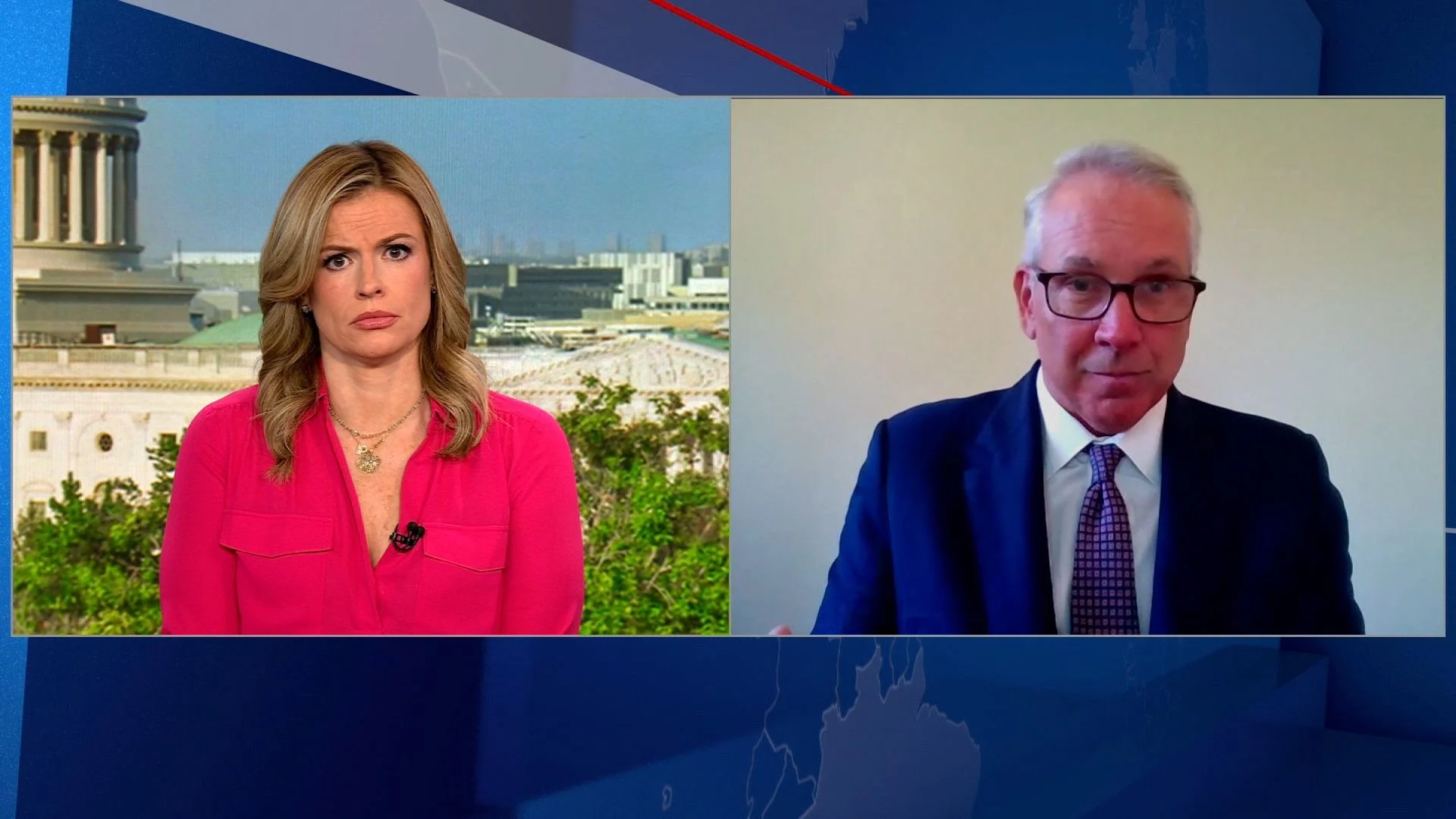








A contested investigation into the alleged gang rape of a Cornell University student in October 2024 has drawn national scrutiny, prompting New York state officials to intervene. New York State Attorney General Letitia James has launched a criminal inquiry and assumed control of the case, replacing Tompkins County District Attorney Matthew Van Houten. Vowing that she “will not allow anyone to sweep this case under the rug,” Governor Kathy Hochul expressed deep concern over how university police and local prosecutors handled the initial probe. Outrage is building as the case involving a Cornell University student allegedly gang raped in a fraternity house in October 2024 continues to garner national attention, with the state attorney general replacing the loca. According to both Van Houten, who has been DA since 2017, and Cornell have, They support James’ appointment. According to the sources also help clarify Doe’s, Frame of mind at points on the night that began October 19, 2024, and how her understanding of the events changed as she processed her trauma in the following weeks.
Records obtained by the media reveal that in November 2024, the Tompkins County District Attorney’s Office declined to review additional evidence compiled by campus police. This evidence included further interviews that extended beyond a six-page statement signed by the accuser, Jane Doe. According to a Cornell police investigator’s note from November 25, 2024, prosecutors expressed no interest in analyzing the extra material because they had already decided, based solely on the six-page document, that “criminal charges would not be pursued in this case.”
Discrepancies have emerged regarding what information was shared with prosecutors. Although Cornell University initially claimed campus police provided all investigative materials to the district attorney, it later clarified that only Doe’s six-page statement was initially sent. Consequently, prosecutors did not receive a separate November 2024 interview transcript in which Doe explicitly told police, “I can say with 100% confidence I was raped.” While Doe’s shorter statement recounted being struck and emotionally coerced, it omitted the more direct allegations present in her full interview.
Doe’s attorney stated that his client did not consent to the sexual encounters and was initially “in denial” about the incident before experiencing shame and realizing she had been assaulted. According to investigative documents, Doe told campus police in 2024 that she felt “pretty ok” about an initial encounter but did not consent to subsequent sexual activities that night. Conversely, four members of the Chi Phi fraternity acknowledged having sexual contact with Doe but maintained that all interactions were consensual.
Digital records and messages have added further context to the night of the incident. Review of campus disciplinary files, Snapchat messages, and phone recordings showed that one alleged participant sent a message expressing remorse, stating he and another male were too under the influence of drugs and alcohol to “shut it down and kick people out before it got way out of hand.” Another individual sent a message to Doe saying, “I’m so sorry. I feel so bad for you, dude.”
The university’s initial internal investigation led to disciplinary actions, including student suspensions and expulsions, the banning of the Chi Phi chapter from campus, and the creation of a sexual assault task force. However, local university administration faces strong criticism. The Cornell chapter of the American Association of University Professors condemned the school’s communication and handling of the matter, while students have organized protests demanding accountability. Initially in 2024 and now,” wrote the Cornell chapter of th, professors and students condemn school’s approach: “We are deeply disturbed by Cornell University administration’s response and communications to the community. Which canceled all social fraternity events this weekend, internal communications obtained by The Cornell Daily Sun show, current and former students have also criticized the school. Cornell student groups plan to protest on campus Monday to “hold our university responsible,” Students for a Democratic Cornell and others posted.
As the state’s criminal probe begins, legal battles continue. A fraternity member named in Doe’s ongoing civil lawsuit has petitioned New York courts to overturn a university disciplinary ruling that found him responsible for attempted sexual misconduct. Concurrently, Governor Hochul has called for legislative reform to close a New York law loophole that excludes victims of sexual assault who became voluntarily intoxicated, declaring that “voluntary intoxication is not a license for sexual violence.” A shift activists and some lawmakers have long sought. “Voluntary intoxication is not a license for sexual assault or gang rape, she vowed to help ensure the law changes as soon as possible.
For individuals seeking support regarding sexual assault in the United States, confidential assistance is available through the National Sexual Assault Hotline at 1-800-656-4673 or online at online.rainn.org.