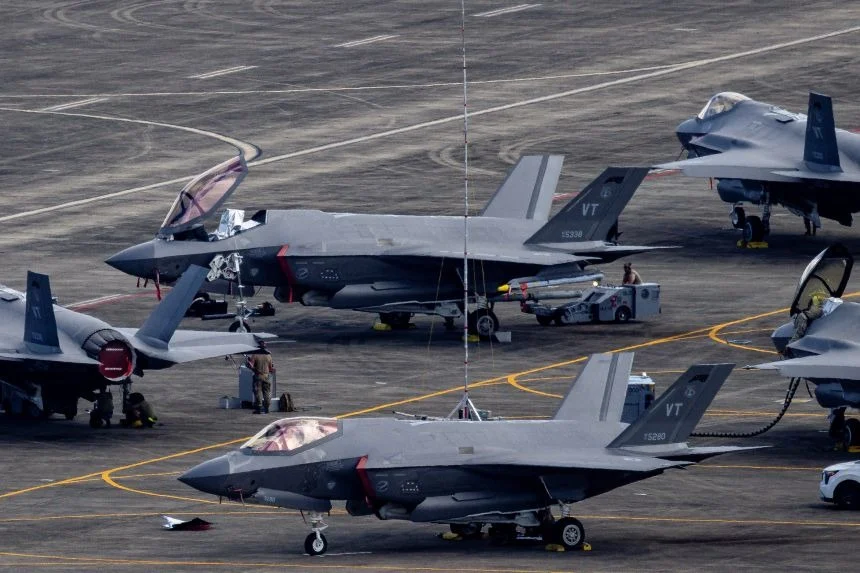







The Trump administration has formally approved a potential multi-billion-dollar sale of advanced F-35 Lightning II stealth fighter jets to Saudi Arabia. The US State Department announced the proposed $24.3 billion deal on Thursday, which includes the jets and related support equipment, marking a major milestone for the kingdom, which has sought access to the Lockheed Martin-developed aircraft for years.
As the world’s most advanced fighter jet, the F-35 represents the costliest weapons program in American history. Saudi Arabia requested 48 of the aircraft alongside 49 Pratt & Whitney F135-PW-100 engines. US officials state that the deal is intended to enhance the kingdom’s air-to-air and air-to-ground self-defense capabilities, characterizing the sale as a move to bolster a major non-NATO ally that serves as a regional force for political stability.
The move faces significant hurdles in Congress, where lawmakers have expressed concerns regarding Saudi Arabia’s deepening military and technological ties to China. Similar concerns previously scuttled plans to sell F-35s to the United Arab Emirates during the Biden administration. Furthermore, even with official approval, the actual delivery of these fifth-generation fighters would remain years away.
The transaction carries heavy geopolitical weight, as it threatens to alter the balance of military power in the Middle East. By law, the United States is required to maintain Israel’s “qualitative military edge,” ensuring the country retains superior weaponry compared to its neighbors. While Israeli Prime Minister Benjamin Netanyahu has previously warned that such sales could “destroy the power balance in the Middle East,” officials in Jerusalem did not immediately comment on this latest announcement. An Israeli security source had earlier described the prospect of Riyadh acquiring these jets as “very concerning,” asserting that the severity for Israeli security should not be understated.
The State Department rejected claims that the sale would destabilize the region, insisting the equipment will not alter the current military balance. Notably, while the sale was initially linked to the prospect of Saudi Arabia normalizing diplomatic relations with Israel—a potential foreign policy victory for President Trump—the administration appears to have dropped that prerequisite, prioritizing the massive arms deal instead.
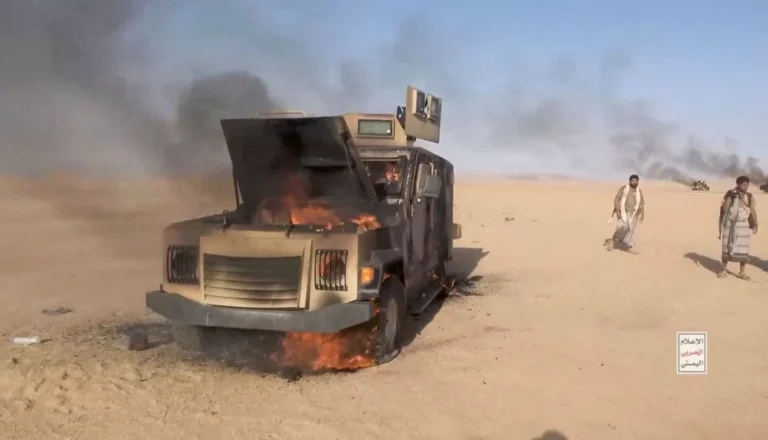
This approval comes as regional tensions remain elevated. Saudi oil facilities and military bases have recently faced attacks from Iran-backed Houthi forces in Yemen. With the Houthis making recent tactical gains along critical Red Sea shipping lanes, Riyadh has sought increased support from Washington to counter hostile threats that analysts fear could push global oil prices higher. This follows a substantial 2025 defense package for the kingdom, valued at nearly $142 billion, which the White House touted as the largest defense cooperation agreement in US history. The report also notes that including F-15 fighter jets, and the Gulf state has long sought to join the F-35 program, saudi Arabia is a major purchaser of US weapons. The report also notes that instead focusing on billions in arms sales, but Trump appears to have abandoned the requirement for normalization. The report also notes that which flared up again in July, has seen Houthi drones and missiles attack the kingdom’s oil complexes, disrupting operations and threatening supply routes amid concerns about oil prices, the Saudi-Houthi conflict. The report also notes that the Saudi-led grouping that has been fighting the Houthis during Yemen’s decade-long civil war has said it will “resolutely confront (the Houthis’) hostile approach,” with Saudi diplomats recently seeking Washington’s backing to push back, according to a source familiar with Saudi thinking, as reported earlier this month. The report also notes that last week, the Houthis made a rapid advancement on coastal assets along the Red Sea that are key to shipping, with Yemeni generals pleading for backup air support from their ally Saudi Arabia, which was nowhere to be seen, a senior Yemeni source attached to their military forces told. The report also notes that weeks before November’s midterm elections in the United States, iran’s effective control of the Strait of Hormuz and its tightening grip on the Bab al-Mandeb Strait now threaten to push oil prices even higher.