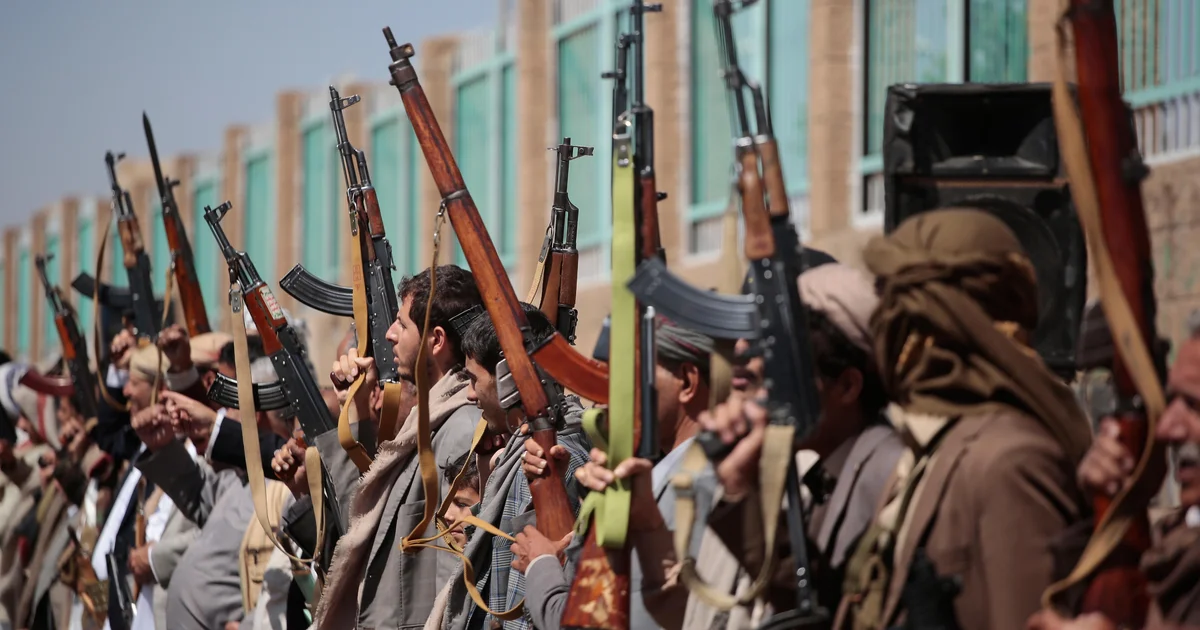










U.S. diplomatic posts across the Middle East have broadcast fresh security alerts for American citizens in the region. The warnings arrive in the wake of intensifying missile and drone assaults by Iran-backed Houthi forces against Saudi Arabia, most notably an October 10 attack on Riyadh’s international airport that claimed the life of an American citizen.
The advisories were released Sunday by U.S. embassies in countries including Bahrain, Qatar, Saudi Arabia, and the United Arab Emirates. Officials warned that hostilities could escalate rapidly into previously unaffected regions, urging travelers to maintain high vigilance and brace for potential flight cancellations, airspace closures, and unforeseen travel disruptions.
Edgar Vasquez, the State Department’s deputy assistant secretary for press, described the alerts as a proactive step by the Trump administration to ensure U.S. citizens remain informed of evolving risks. Emphasizing that personal safety remains a top departmental priority, Vasquez stated, “We are actively warning U.S. citizens about the very real threat the Houthis pose and urging them to heed official guidance.” The escalating attacks have raised questions about the effectiveness of the Trump administration’s approach to the conflict. Because the threat and risk of the Houthis will expand,” Noman said, we are fighting on behalf of everyone.
These notifications are governed by the State Department’s “no double standard” policy, which mandates that embassies share security threat intelligence with private American citizens whenever similar risks apply to diplomatic staff. While the U.S. has enforced restricted diplomatic operations in parts of the region since the onset of conflict between the U.S., Israel, and Iran in February, officials noted that these measures are intended to be temporary as security conditions fluctuate. He argued that Yemen’s military campaign was intended to protect the wider region as well as its own population.
The regional security environment has been further strained by relentless Houthi strikes on Saudi territory, including repeated targeting of the King Khalid International Airport and Saudi Aramco facilities. Saudi authorities reported that the October 10 airport assault alone resulted in at least 13 deaths and over 300 injuries. Violence persisted into the following week, with the Saudi-led coalition intercepting a ballistic missile aimed at Riyadh and a drone near the capital on Tuesday.
The conflict has also intensified within Yemen, where Houthi territorial expansion recently resulted in the deaths of two teenage girls in Taiz on Tuesday. This followed a strike on a government military installation that left 73 recruits dead and over 200 wounded. Ambassador Marwan Ali Noman, a political adviser to the Yemeni foreign minister, warned that the Houthi threat will continue to metastasize unless checked. Noman noted that his government is seeking increased international support—specifically in intelligence, air defense, and coast guard capabilities—rather than U.S. ground troop intervention. That came a day after a strike on a government military camp killed 73 recruits and wounded more than 200.
Amid these requests, the Trump administration faces a complex demand for defensive resources.
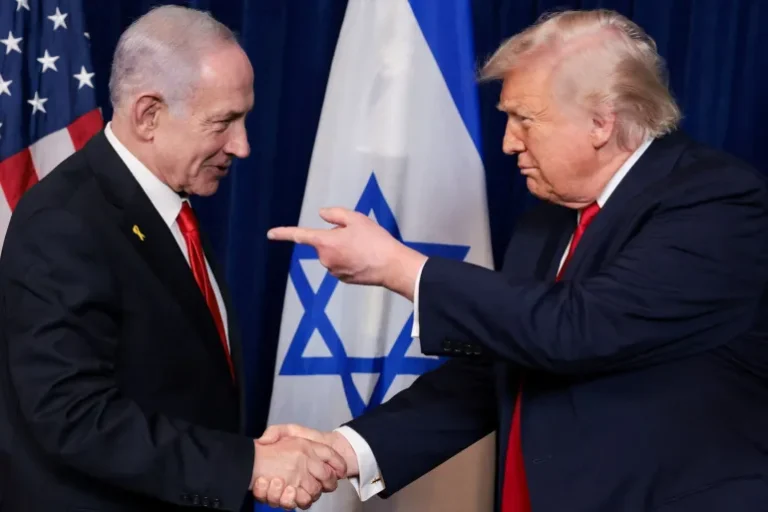
While providing intelligence and targeting support, President Trump has maintained a cautious stance on direct military involvement, noting on October 10 that his administration would “look at” the possibility of participating in airstrikes. Secretary of State Marco Rubio, speaking from India, acknowledged the strain on global defense stockpiles. “Every country in the world would like interceptors,” Rubio said. “It’s probably the most in-demand product right now in the defense field,” noting that both Israel and Saudi Arabia are vying for supplies alongside ongoing commitments to Ukraine. He has left open the possibility of joining in airstrikes but has not announced a decision.