





The aircraft carrier USS Abraham Lincoln (CVN-72) is currently navigating significant logistical challenges, with its crew enduring more than 260 consecutive days at sea without a port call. This extended deployment, which began in December, has raised concerns regarding the mental health of personnel and the stability of the vessel’s supply chain.
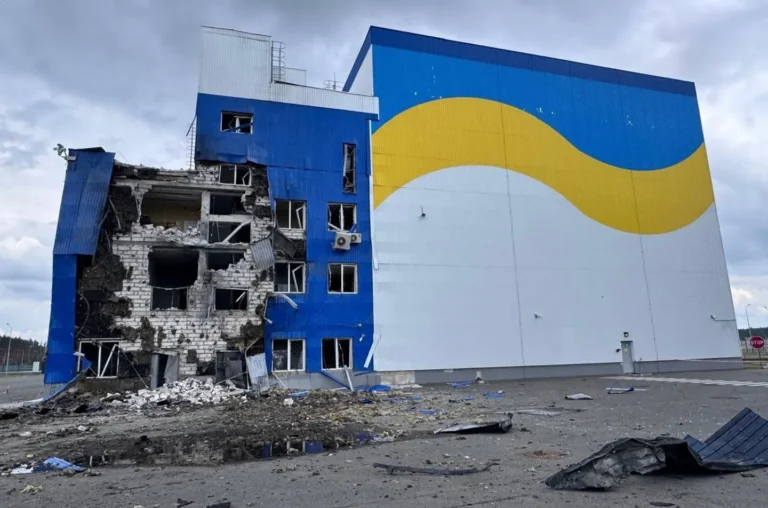
Operational difficulties intensified on February 28, when an Iranian attack caused heavy damage to Naval Support Activity Bahrain, a critical logistics hub in the Persian Gulf. In response, the U.S. Navy transitioned its primary resupply operations to Naval Support Facility Diego Garcia. This relocation significantly increased the distance between combat ships and their nearest support base; while the Bahrain facility is located roughly 500 miles from the central Gulf of Oman, the Diego Garcia base lies approximately 2,200 miles away.
The loss of access to a “liberty port” has prevented the crew from disembarking for essential rest, recreation, and family connection. While long periods at sea without shore leave have historical precedents—such as the USS Dwight D. Eisenhower’s 206-day stretch during the 2020 COVID-19 pandemic—the current duration for the Abraham Lincoln has surpassed that mark.
The extended supply lines have led to reported shortages and the loss of mail deliveries. In an official statement, the Navy acknowledged these difficulties, noting that leadership had to prioritize mission-critical supplies in a specific order: first food, followed by hygiene items, and finally mail. The service confirmed that crew members currently have access to clean water and healthy meal options.
Political scrutiny regarding living conditions on the ship has grown. Democratic Senators Jon Ossoff and Mark Kelly have publicly called for an investigation into the situation, while Republican lawmakers have largely refrained from commenting. Meanwhile, the Navy, U.S. Central Command, and War Secretary Pete Hegseth have firmly rejected claims of widespread personnel issues, asserting that such reports have been “completely misrepresented.”
The carrier, which served as a central floating base for aerial combat operations during the U.S. war on Iran, known as Operation Epic Fury, is now preparing for a transition. The USS Abraham Lincoln is scheduled to be relieved by the USS George Washington (CVN-73) and is expected to return to its homeport in San Diego.
This report incorporates research and data from the Network, Reuters, the U.S. Navy, and U.S. Central Command. Additional reporting was contributed by Erin Mansfield, Greta Cross, and Cybele Mayes-Osterman. The report also notes that supply problems started at the beginning of the war on Feb. The report also notes that 28 when Iran attacked and heavily damaged much of Naval Support Activity Bahrain, a key Navy logistics base on the island of Bahrain in the Persian Gulf, the New York Times reported. The report also notes that diego Garcia, an island south of the Maldives, is about 2,200 miles from U.S. The report also notes that ships can be resupplied and repairs can be made. The report also notes that on food problems aboard the ship in April.