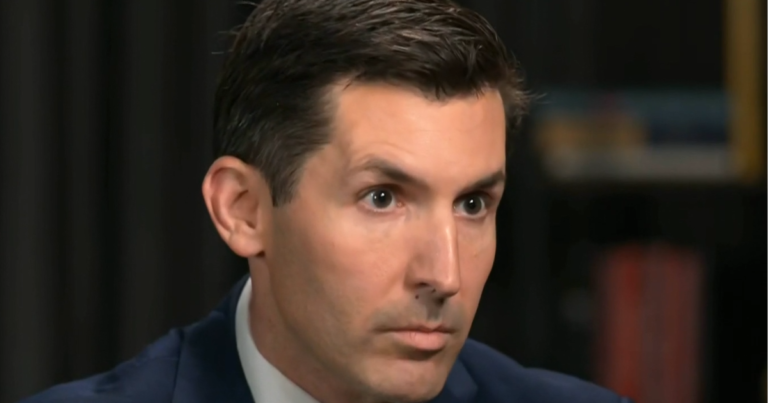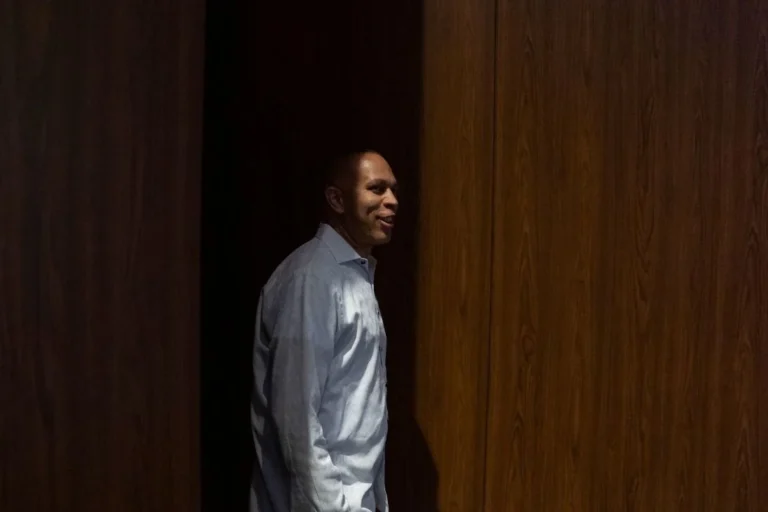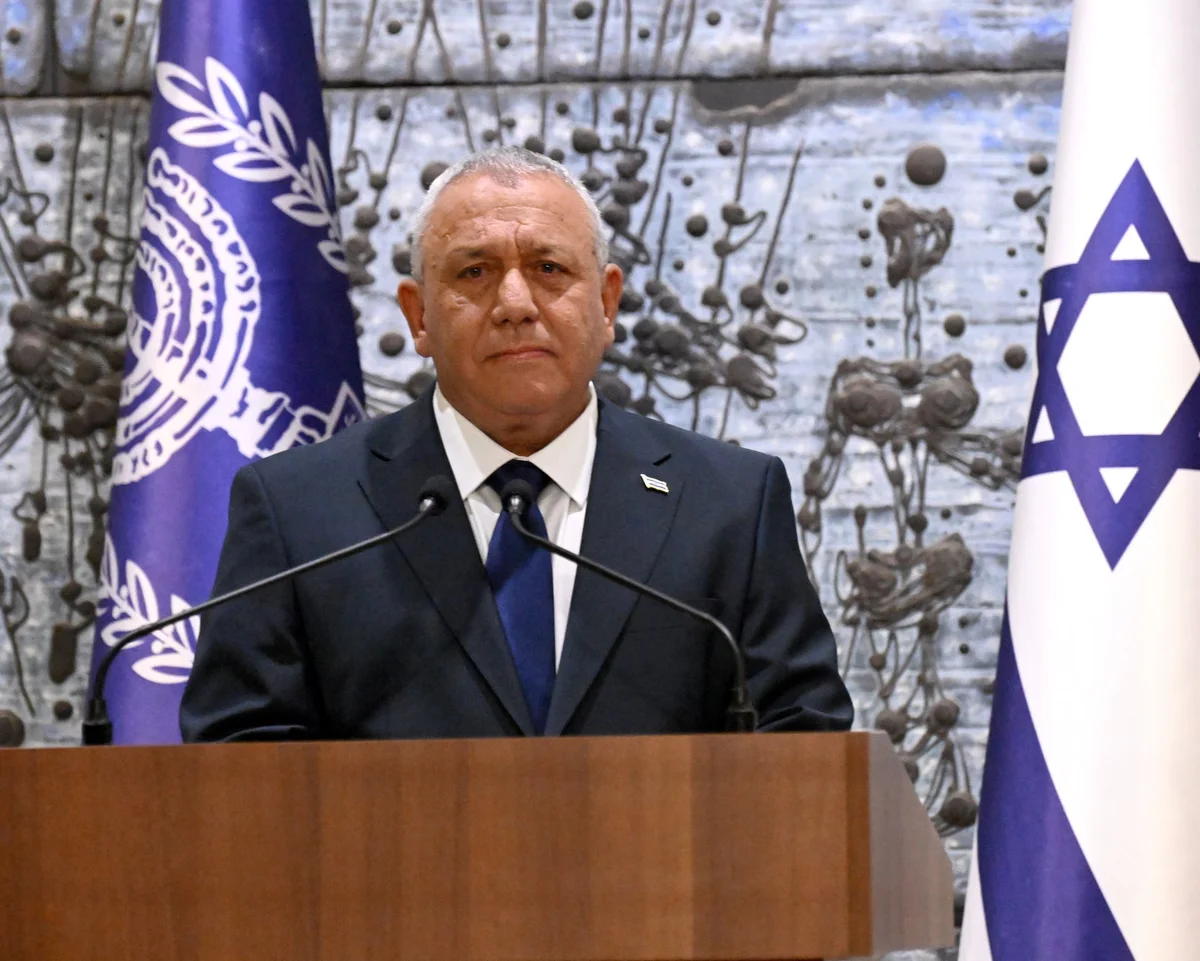








Israel’s former military chief Gadi Eisenkot officially began the difficult process of forming a new government on Sunday. Having received a 28-day mandate from President Isaac Herzog, the 66-year-old leader of the Yashar party is now tasked with building a coalition despite his bloc lacking a clear parliamentary majority. These types of coalition governments are notoriously fragile and often collapse.
Addressing a ceremony at the presidential office, Eisenkot warned that the nation is currently facing a severe state of emergency. He declared that Israel is nearing a “point of no return” and stressed that forming a national emergency government will necessitate unconventional and creative political maneuvers.
Eisenkot faces a complex path to the premiership. He must navigate three primary options: establishing a power-sharing arrangement with Benjamin Netanyahu, securing support from Arab-led parties—a move opposed by some members of his own bloc—or negotiating with ultra-Orthodox parties that require military exemptions for their constituents. But he has offered little to no evidence to support the claims.
Both Eisenkot and Herzog highlighted Israel’s growing international isolation under the tenure of Benjamin Netanyahu, who is currently wanted by the International Criminal Court. Eisenkot described the situation as a “devastating diplomatic crisis” in which even long-term strategic partners are calling for a reassessment of their ties with Israel. “My door is open and my hand is extended, wholeheartedly and willingly, to anyone who understands the gravity of this moment,” he said. Eisenkot, the military chief of staff from 2015 to 2019, has set out to unite Israelis after Netanyahu’s divisive tenure, under which the country moved sharply to the right.
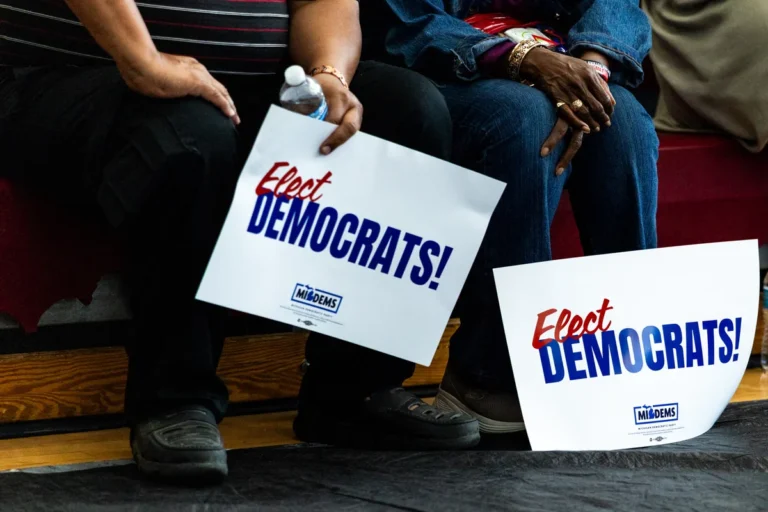
The political landscape remains fractured. In the October elections, Eisenkot’s opposition bloc secured 48 seats in the 120-member Knesset, while Netanyahu’s camp captured 53. During the consultation process, Eisenkot gained the backing of Arab-majority lists, though his conservative partner, the Yisrael Beiteinu party, has rejected any coalition involving them. Eisenkot has conditioned any such cooperation on recognition of Israel as a Jewish state and the classification of Hamas as a terrorist organization. In the US, Israel’s closest ally, Democrats on Tuesday swept the midterm elections, with calls to rein in Israel after the devastation in Gaza and the unpopular Iran war, which Netanyahu launched with Donald Trump. If neither side succeeds, Israel will head to fresh elections.
Campaigning on a platform of equality, Eisenkot has pushed for the end of traditional military draft exemptions for the ultra-Orthodox community. Meanwhile, he continues to face pressure from Netanyahu, who has claimed—without providing evidence—that the recent election results were skewed by Arab turnout and labeled potential cross-bloc alliances as acts of betrayal.
While the Shin Bet security agency is investigating potential foreign interference, both Herzog and the Central Elections Committee have maintained that the election results were valid. Netanyahu did call for a “national unity” government on Saturday, though the feasibility of a power-sharing deal remains in doubt due to the fragile history of such coalitions.
Eisenkot’s political identity is heavily shaped by his military service. He led the army during the 2006 conflict with Hezbollah, where he developed the “Dahiya doctrine,” a strategy that entails utilizing significant force against infrastructure in areas controlled by militants. As a politician, he has promised to address the country’s polarization and has specifically vowed to crack down on extremist West Bank settlers, describing their violent acts against Palestinians as “Jewish terror.” The idea, named after a Beirut suburb heavily damaged in that war, involves Israel vowing to use massive force against civilian infrastructure in areas controlled by the Lebanese militant movement Hezbollah.
Regarding the regional security situation, Eisenkot remains opposed to the creation of a Palestinian state and has committed to dismantling the military wing of Hamas. He is currently reaching out to Likud and the far-right party of finance minister Bezalel Smotrich, provided they accept him as the prime minister.
If Eisenkot fails to secure the necessary 61 votes within his initial 28-day window, President Herzog holds the authority to grant a 14-day extension. Should all coalition efforts ultimately stall, the country risks being pushed into fresh elections, repeating the cycle of deadlock that resulted in five elections between 2019 and 2022. If he comes up short, Herzog can provide a 14-day extension before he has to offer the mandate to someone else. The country held five elections between 2019 and 2022 owing to repeated deadlocks.