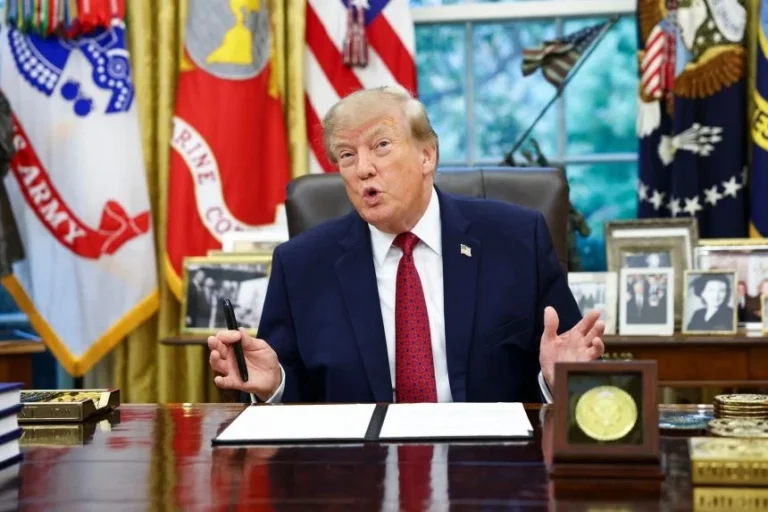







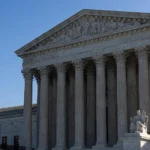
The recent US midterm elections have dealt a severe blow to the Republican Party, effectively handing Democrats control of Congress for the final two years of President Donald Trump’s administration. Political analysts suggest that this significant shift in the legislative landscape is largely tied to widespread voter dissatisfaction with the eight-month-old military conflict in Iran, as well as mounting frustration over rising petrol and diesel prices—a reality Trump acknowledged following the electoral defeat. However, he adds that it is unlikely that Iran will be militarily weakened. However, I do not see much incentive for Iran to make that easy for him,” he says. “After these elections, the political cost for Iran of negotiating and making concessions has gone down. Or of resuming the war at full speed, for Washington has gone up,” he says, the political cost of sticking to maximalist demands.
Despite this democratic rebuke, the question of whether the new balance of power in Washington will compel an immediate cessation of the war remains open. President Trump maintains broad constitutional authority as commander-in-chief, and experts warn that his tendency toward unpredictability could complicate any swift exit strategy. Russell E. Lucas, a professor of international relations at Michigan State University, noted that Trump prides himself on being difficult to anticipate, suggesting the president might even use the remaining weeks of Republican legislative control to launch a renewed military campaign against Iran. Unwilling to admit a mistake, schultz wonders whether Trump might conclude he has “nothing to lose” and simply continue the military adventure. He says, trump might also see the situation as an insult and turn to the military option “out of revenge”.
According to Lucas, such an escalation could serve the strategic interests of Benjamin Netanyahu, who continues to lead Israel pending the formation of a new government. Following the midterms, Trump hinted at potential war plans, stating he could still destroy the remaining Iranian infrastructure and that the public would learn of his intentions soon enough. While experts speculate that Trump might stage a show of force as a face-saving gesture before withdrawing, there is skepticism regarding the effectiveness of any potential diplomatic deal compared to the position Tehran held following previous negotiations in June. He says, tehran has grown more confident and assertive as a result.
Mustafa Caner, an Iran specialist at Sakarya University, highlighted that Iranian officials are already framing the midterm results as proof of their nation’s resilience. According to mustafa Caner, an Iran specialist and assistant professor at Sakarya University’s Middle East Institute,, Iranian decision-makers are presenting the Democratic victory as their own. With both reformist and conservative outlets in Iran using similar language, he says, the framing crosses factional lines. “They frame it this way because they know the Iran war played a major role in the results and in how people voted. As for a possible negotiated off-ramp, Caner identifies sequencing as the reason for the longstanding deadlock: Iran has demanded the lifting of the blockade, sanctions, and frozen assets, while the US has sought Iranian concessions on the Hormuz blockade and nuclear issues first.
Figures such as Mohsen Rezaei and Parliament Speaker Mohammad Bagher Ghalibaf have publicly credited Iran’s military stance for the political shift in the United States.
Caner suggests that Tehran has gained confidence, sensing that American voters are increasingly sensitive to the economic costs of the conflict every time they visit a fuel station. He says, simultaneous confidence-building steps can break the impasse.
He warns that the period between now and the formal inauguration of the new Congress in January represents a particularly dangerous window for potential escalation. “It is possible that he will seek an off-ramp.
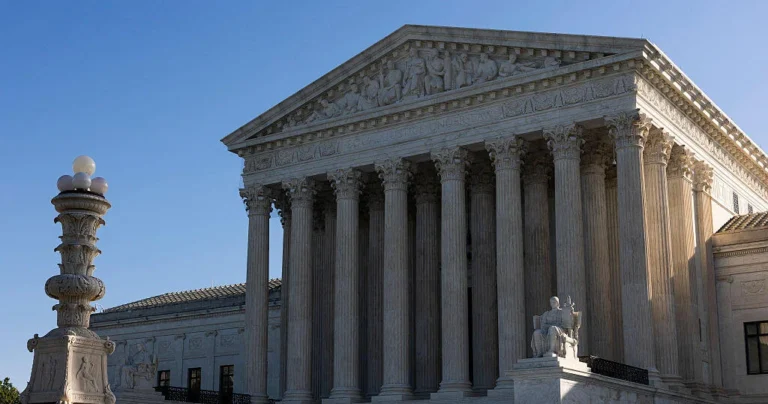
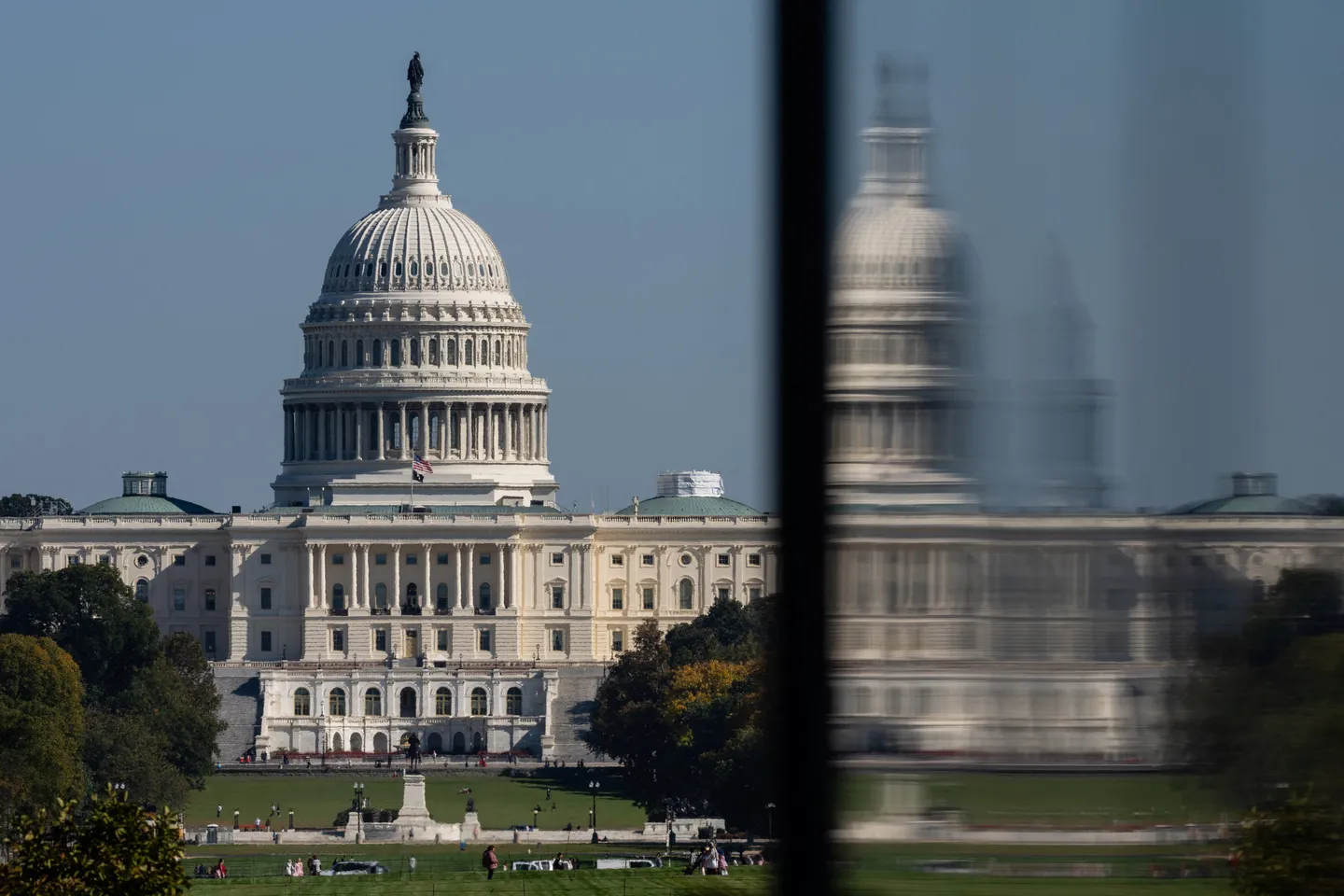
The constitutional friction between the executive and legislative branches remains a central point of debate. David Schultz, a professor at Hamline University, noted that while Congress holds the power of the purse and the authority to declare war, Article II of the US Constitution grants the president substantial latitude over military matters. Although Democrats could attempt to invoke the War Powers Resolution to limit the president’s ability to commit troops without consent, enforcing such measures often triggers complex legal and political disputes.
Schultz noted that as a lame-duck president, Trump may feel he has little to lose, yet Iran’s ability to disrupt shipping in the Strait of Hormuz provides the regime with significant leverage. This creates a scenario where the US president faces international pressure from Tehran alongside new domestic political constraints. Lucas anticipates that once Democrats assume control in January, they will likely move to cut military funding, potentially setting the stage for a government shutdown during future budget negotiations.
Ultimately, Senate Democratic leader Chuck Schumer has expressed clear intent to use the party’s new majority to influence the war’s trajectory.
Experts believe that Democratic lawmakers will leverage Senate committees to force a public debate on the conflict, raising the political stakes for the White House and potentially pressuring some Republicans to join calls for de-escalation.
While Caner maintains that Netanyahu remains the primary obstacle to a lasting peace, he suggests that even if Democrats cannot unilaterally end the war, they possess enough legislative tools to make the conflict increasingly difficult for the current administration to sustain.