









The U.S. Department of Health and Human Services (HHS) has released a draft policy that would ease restrictions on how certain peptides are produced domestically. This move is designed to curb the use of unregulated online sources by allowing state-licensed pharmacies and medical facilities to compound these substances under specific safeguards. Here’s what to know about peptides and what the change could mean. However, overlooked in this vote is that many newly appointed PCAC members appear to have conflicts of interest directly related to the peptide substances under consideration,” Safdar said.
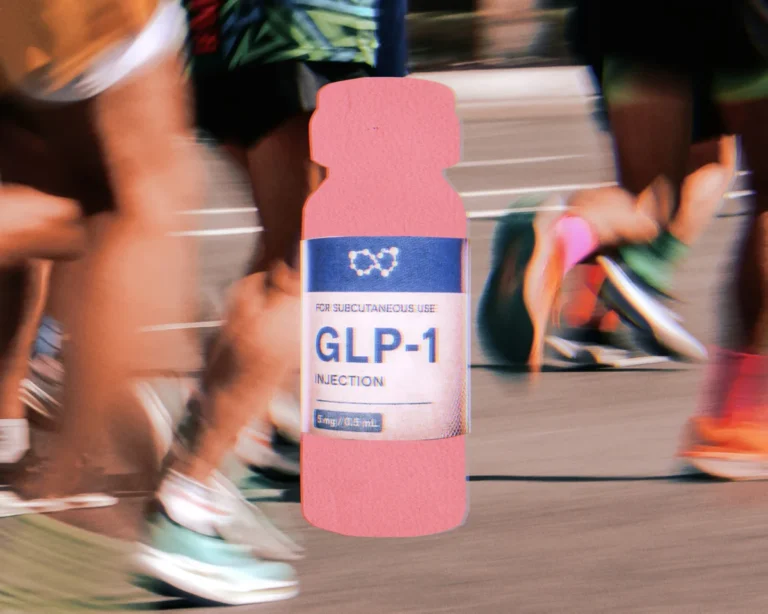
Peptides are short chains of amino acids that function as protein building blocks within the body. While some, such as insulin and GLP-1 medications for diabetes and obesity, are established medical treatments, the six peptides addressed in the draft policy are not currently FDA-approved. These include BPC-157 for ulcerative colitis, KPV for inflammatory conditions, MOTS-c for obesity and osteoporosis, and Semax for neurological disorders. While others have raised concerns, some wellness advocates applauded the move. Some are important prescription medicines. Insulin, for example, is a peptide, as are GLP-1 medications widely used to treat diabetes and obesity, such as Ozempic and Wegovy.
HHS spokesperson Emily Hilliard stated that Secretary Kennedy is acting on a recommendation from the Pharmacy Compounding Advisory Committee. The proposed interim policy, which includes a 14-day public comment period, requires patient-specific prescriptions, traceable ingredients, and mandatory quality and safety reporting. Hilliard emphasized that this guidance does not grant formal FDA approval or establish clinical safety, but rather establishes a more controlled environment for access. Meaning they have not been evaluated to meet certain safety, quality and effectiveness standards through the FDA approval process, but they’re not approved by the US Food and Drug Administration. “Compounding is generally a practice in which a licensed pharmacist, a licensed physician or, in the case of an outsourcing facility, a person under the supervision of a licensed pharmacist, combines, mixes or alters ingredients of a drug to create a medication tailored to the needs of an individual patient,” the policy said. “This outcome shreds any sense of credibility and transparency, placing their interests above the safety of the American people,” Safdar said. “The Administration should change course and focus on prosecuting the bad act. According to “A credible federal policy with meaningful patient-safety safeguards gives, A sound basis for their own oversight and helps discourage a patchwork of state rules and restrictions that could undermine the access HHS is trying to provide,” Brunner said.
The agency intends to use enforcement discretion to avoid taking action against licensed pharmacies or physicians who prepare these specific drugs. This approach is intended to transition patients away from the current gray market, where individuals often purchase substances like BPC-157 or TB-500 from unregulated websites without medical oversight. The government expects to issue a final policy following the conclusion of the comment period. Currently, some consumers get them through an unregulated gray market, without ever consulting a physician — a potentially risky option. So far, people who use peptides have been able to order products like BPC-157 or TB-500 from places like unregulated websites without ever seeing a doctor. According to the draft policy is “potentially good news” for people who want to access peptides through a prescription,, Jay Campbell, co-founder of BioLongevity Labs and author of the book “ Optimize Your Health With Therapeutic Peptides.”. According to this policy only covers compounded prescriptions, which will start to carry higher prices,” Campbell, who also uses peptides himself,, In an email Wednesday. “As demand rises, these peptides could get substantially more expensive, especially if access at the direct-to-consumer level is restricted or cut off. And those costs get passed on to the patient,” he wrote. “People who have been paying research-market prices should be prepared for a very different bill at the pharmacy counter.”, pharmacies will also have to source from FDA-registered manufacturers and run full quality testing. According to “We’ve, All along that the question isn’t whether patients are using these peptides. And one that isn’t going away simply because compounding of the substances is prohibited.”, that’s an existing public health threat.
Reaction to the draft has been mixed. Dr. Hal Mohammed, a member of the Pharmacy Compounding Advisory Committee and global chief medical officer of Gameday Men’s Health, supported the move, stating that the current gray market operates openly and presents a greater risk than regulated pharmacies. Conversely, committee member Dr. Elizabeth Rebello of the University of Texas MD Anderson Cancer Center expressed concern that the decision responds to market-induced demand rather than solid scientific evidence.
The Alliance for Pharmacy Compounding, the industry’s trade association, welcomed the announcement, with CEO Scott Brunner noting that the policy addresses the critical issue of where patients currently source their medications. The alliance acknowledged the inclusion of necessary safeguards, such as reporting of adverse events, but noted that it seeks further clarification on how the policy will coordinate with state boards of pharmacy and when it will officially take effect. According to “It is much needed clarity that the peptide industry, clinicians and consumers have hoped and worked for for the past couple years and is a bold step outside the usual pharma driven, FDA managed pathway,” Jeff Cohen, co-founder of the association,, In a written statement.
Despite the support from some industry groups, opposition remains. A coalition recently filed a citizen petition urging the FDA to block the compounding of peptides entirely, highlighting that while compounded drugs can serve medical needs, they also introduce potential risks to patients. Elite athletes and some doctors, who say they can help reduce inflammation, improve recovery, promote longevity and boost overall health, they’re popular among wellness influencers.