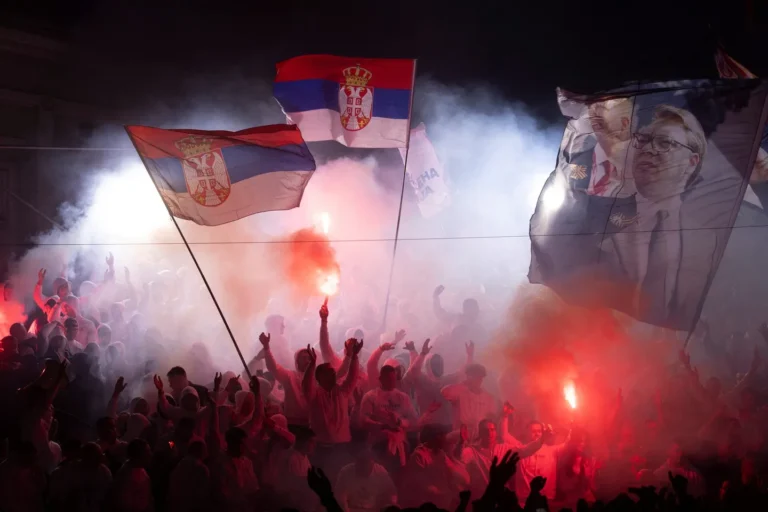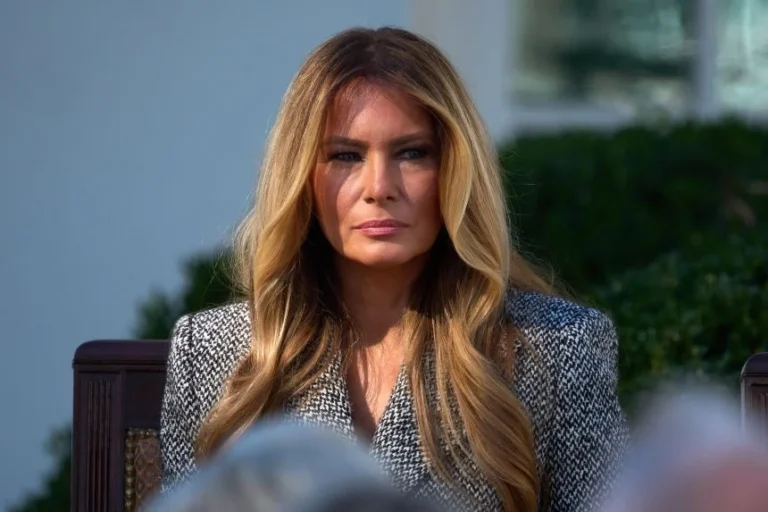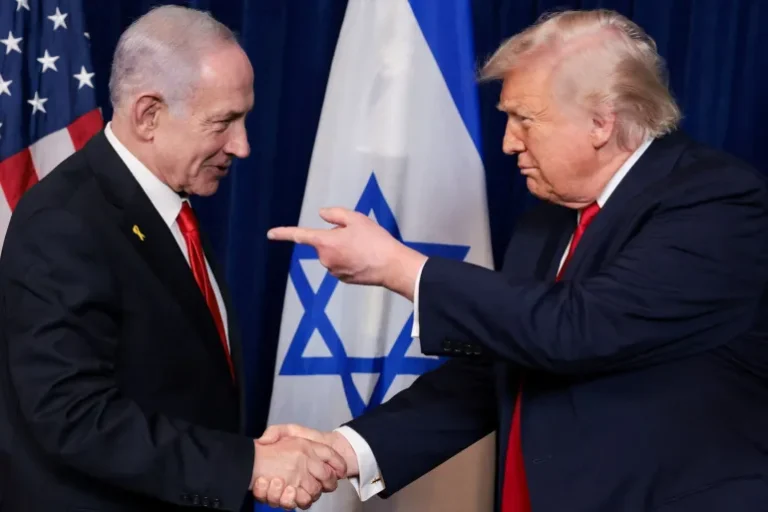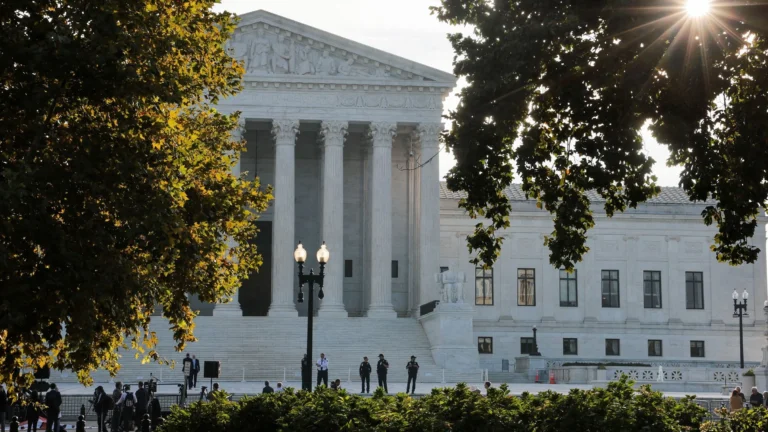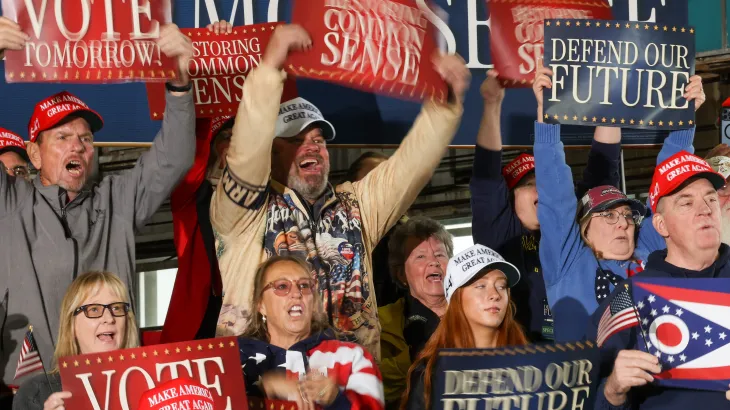










A year spent traveling across the United States speaking with conservative voters reveals that President Donald Trump is facing unprecedented friction from his core support base. The discontent, sparked primarily by the ongoing war in Iran, marks a significant shift in the decade-long history of the MAGA movement. Alongside concerns regarding inflation, the broader economy, the administration’s handling of the Epstein files, and close ties to technology billionaires, military intervention in the Middle East has tested the loyalty of key voter demographics. EDITOR’S NOTE: Watch documentary, “ MAGA Ever After? ” premiering tonight at 8 p.m. The backlash President Trump has received from his base over going to war with Iran is unprecedented in the 10-year history of the MAGA movement. Along with those who remain as loyal to him as ever, in the doc we meet some former Trump faithful who have broken with the president in his second term. Here are five of my takeaways, after speaking to hundreds of Republicans over the last few months. The event has become a multi-day rally of the Trump base. The tech billionaires who stood behind Trump at his second inauguration and now regularly meet with him in the Oval Office, they see it as a fight against the 0.1%.
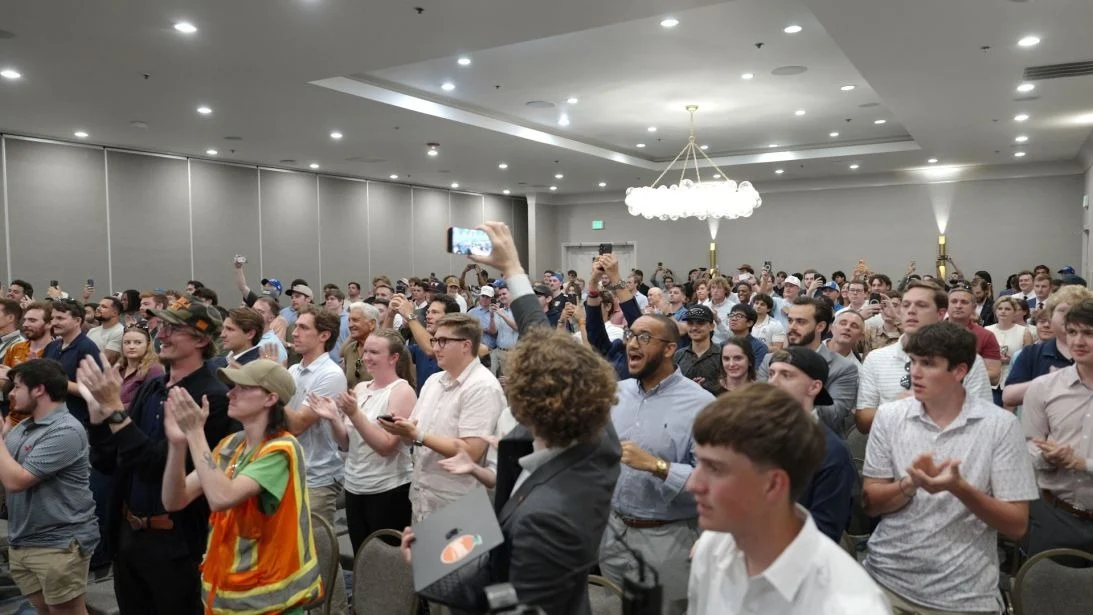
During the Conservative Political Action Conference (CPAC) in Dallas, held four weeks into the war, criticism among attendees was unexpectedly pronounced. Older Republicans, who frequently rely on traditional news outlets like Fox News, often rationalized the military strategy through America’s alliance with Israel. A voter over the age of 40 acknowledged that despite the president’s long-standing “no new wars” promise, foreign intervention seemed unavoidable, stating, “Unfortunately, I think it’s necessary. He’s the only president that had the backbone to take it on.” Conversely, older supporters such as Ida, an 82-year-old resident of Mason County, Kentucky, framed the conflict around historical aggression from the regime, asserting that the nation had been well-intentioned for decades and that it was time to put an end to chants of “death to America.” There’s a genuine sense among them that the US should be doing more to help Americans than to fight wars. A drumbeat of antisemitism animates much of this debate, on the far-right end of the spectrum.
However, the reaction among younger conservative men tells a vastly different story. For many who turned 18 over the past decade and formed a crucial part of the coalition in recent presidential cycles, the conflict represents a direct violation of campaign assurances. A 22-year-old CPAC participant expressed deep disappointment over the decision, noting that Trump had built his platform on avoiding foreign conflicts, only for supporters to feel co-opted into an unwanted war. Younger voters are influenced heavily by independent commentators and podcast figures such as Joe Rogan and Tucker Carlson, who strongly oppose the engagement. Because these younger men face the direct possibility of military deployment, the campaign slogan held literal weight. Some of these voters previously backed politicians like Senator Bernie Sanders in 2016 before shifting rightward, leaving their future political alignment uncertain as they process feelings of betrayal. ET/PT on “The Whole Story with Anderson Cooper.”. We also ask what’s next for the Republican Party as it comes to terms with the prospect of a post-Trump future. Among the dozens of people I spoke to, how vocal many were in their criticism of Trump, it was notable then. They believed, the threat from Tehran was imminent. But many of those young men who support Trump live in an information environment — not permanently moored to conventional orthodoxy of a single party — dominated by podcasters and opinion-shapers ranging from Joe Rogan and Piers Morgan to more right-wing voices like Tucker Carlson and Nick Fuentes. And they are not afraid to make that known. They were sold on Trump by the likes of Rogan and conservative activist Charlie Kirk. And in their God-fearing, Bible Belt home it has also come to represent something spiritual: a fight against a new form of intelligence so unpredictable that even the people who are building it don’t know what it might do next.
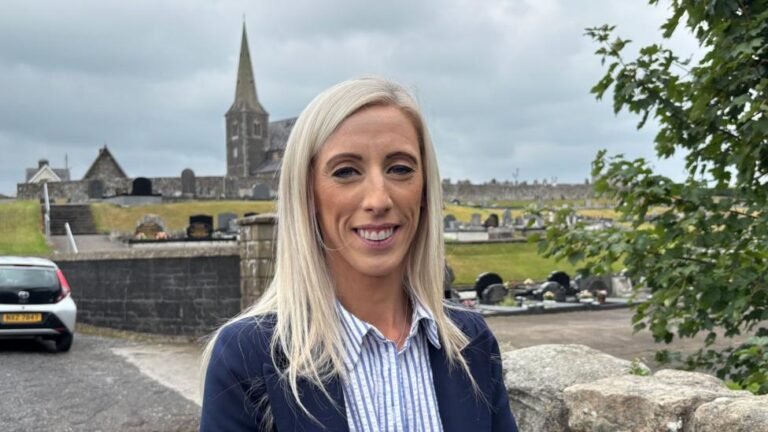
Foreign policy is not the only issue driving a wedge between the administration and local communities. In rural America, the rapid growth of artificial intelligence infrastructure has created intense friction. In Mason County, Kentucky, where 71 percent of voters backed Trump, 54-year-old Delsia Bare and her mother Ida made international headlines after refusing a reported $26 million offer from a major technology firm seeking to build a massive data center on their family farm. Their resistance reflects a broader, national “not-in-my-backyard” struggle against Silicon Valley’s expansion into local power grids and farmland. And Delsia and Ida have voted for him three times, mason is deep red; Trump won 71% of the vote in the county in 2024. It’s a fight that is happening across the country as Silicon Valley rushes to build capacity for the data-hungry AI systems increasingly playing dominant roles in our lives.
Tensions heightened after public remarks characterized communities opposing AI expansion as wanting to remain “backward and poor.” Bare pushed back strongly against the characterization, pointing out that residents in Appalachia have historically faced economic hardship without needing such labels attached to their choices. To them, the battle against multibillion-dollar tech corporations represents a fight to protect their heritage and faith against moral compromises. Bare emphasized her resolve by noting that in the biblical story of David and Goliath, a single well-placed stone was all that was needed to achieve victory.
The pushback against big tech has resonated across political commentary as well. Conservative voice Steve Bannon publicly voiced frustration during a recent interview with Vice President JD Vance, calling for immediate limits on data center expansion. At the same time, Vance himself appears to be absorbing significant political fallout from the administration’s foreign policy choices. Among hundreds of grassroots supporters interviewed across the country, enthusiasm for Vance as a potential successor has waned, largely due to his association with the military conflict in Iran. Interestingly, Secretary of State Marco Rubio, who oversees foreign policy and leads the National Security Council, has not drawn the same level of personal criticism from voters.
Despite these emerging divides, a large portion of the base remains firmly supportive when comparing current affairs to alternative scenarios. Dedicated supporters like Joe Black of Grand Junction, Colorado, frequently direct frustration toward previous leadership, citing drone usage under former President Barack Obama or arguing that conditions would be far worse under alternative administrations. While voters in 2024 pointed to international disorder and economic struggles under former President Joe Biden as proof of decline, many loyalists continue to view the current administration as the only viable defense against greater turmoil, even as internal debates over foreign wars and technology transform the movement from within.