





One week after a magnitude 7.4 earthquake struck western Colombia, the nation is transitioning from urgent search-and-rescue operations to a complex recovery phase. While rescue teams continue to work, the window for finding survivors has narrowed significantly, prompting a shift in priorities toward providing shelter for the displaced and addressing widespread infrastructure destruction.
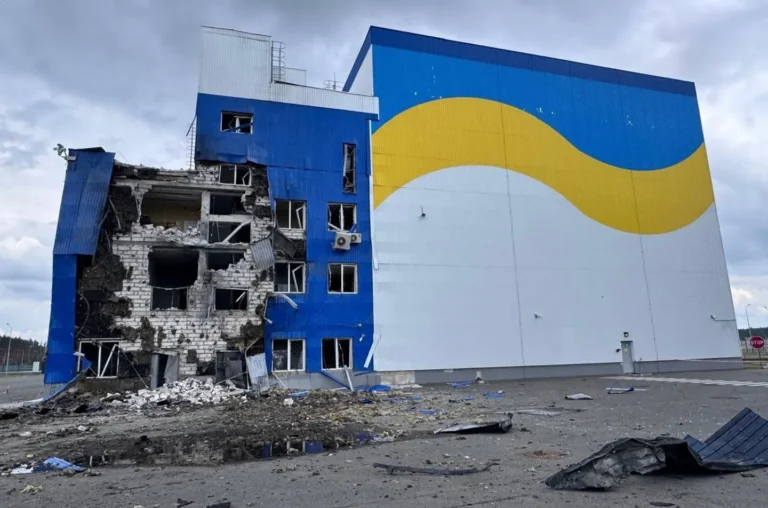
The disaster, which hit the rural town of San Jose del Palmar in the Pacific region before devastating cities including Cali, Pereira, and Quibdo, has claimed at least 289 lives and left 4,187 people injured. Official government data indicates that 15 of the country’s 32 provinces were impacted. The scale of the damage is immense, with 127,557 homes damaged and 26,945 completely destroyed. Essential services were also severely compromised, with 285 health centers, 2,838 educational facilities, 407 roads, 92 water supply systems, 44 bridges, and five airports reporting damage.
Emergency responders have successfully saved 354 lives during the past week of intense effort. However, the situation remains fluid; while the government reports 143 people are still missing, an unofficial database known as “Colombia Te Busca” suggests the number of unaccounted individuals could exceed 3,000.
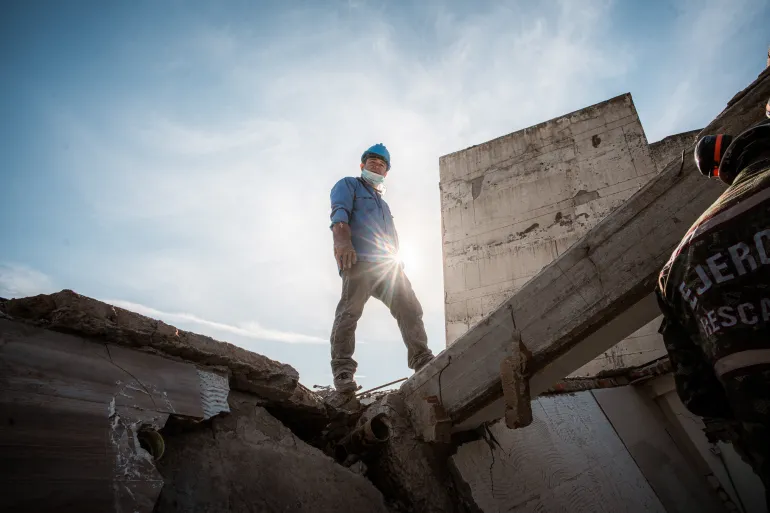
Sergeant Joel Bustamente of the Bogota Fire Department, who has been leading operations in Cali, described the past week as a grueling period. He noted that the focus has shifted away from active search-and-rescue toward demolition and recovery. In specific locations, such as the seven-storey Vanessa Building in Cali, search efforts have been formally suspended in favor of body recovery, according to Enrique Zapata of the health NGO SARES.
Despite the grim outlook, some volunteers, including Maximiliano Herrera, maintain hope, citing that survival windows can occasionally extend up to 15 days. International assistance from nations including the United States, Israel, and Mexico has bolstered local efforts, though the primary challenge remains housing the more than 120,000 affected families.
Egido Sanz, country director for ActionAid in Colombia, emphasized that the immediate priority is securing shelter and refuge. In cities like Cali and Pereira, authorities have repurposed community centers and sports stadiums to house those displaced. Veronica Echeverry, who manages a shelter in a Cali community hall, reported that while they have successfully distributed food, water, and hygiene supplies, many displaced residents from wealthier areas have opted to stay with friends or family instead of utilizing public shelters.
The situation is starkly different in Choco, the country’s poorest department and the earthquake’s epicenter. Already struggling with armed conflict, drug trafficking, and illegal gold mining, the region faces a compounded crisis. In Quibdo, the provincial capital, residents have expressed frustration over a perceived lack of national institutional support for temporary housing. Local resident Yilson Marmolejo stated that there has been no significant government response regarding the construction of shelters, leaving many in the wider, river-accessible province in a state of uncertainty.
The economic toll of the disaster is equally severe. Small business owners, such as 65-year-old Nestor Martinez, whose bicycle shop in Buenaventura was destroyed, face an uncertain future. Martinez estimates his losses at 350 million pesos, or approximately $111,000, and like many others, he lacks business insurance to cover the damage.
International aid has begun to arrive, with the European Union pledging 2 million euros ($2.3m) and the United States committing $15.5m. President Abelardo de la Espriella has promised a reconstruction fund to address the damage, which his finance minister estimates will cost at least $6.4bn.
The President’s response has drawn criticism, however. Beyond his decision to declare an economic emergency to raise funds—opting for a $450m credit line from the World Bank rather than new taxes—he has faced backlash for his handling of the disaster. Critics have pointed to his decision to abstain from a formal handover process with the previous administration and his stated intention to limit international aid to countries ideologically aligned with his government, such as Israel, El Salvador, and the US. The report also notes that schools, hospitals, and businesses, the full scale of the devastation continues to be assessed, while official data reveals vast destruction of homes. The report also notes that “It has been a gruelling week, with little time to rest, as we’ve been focused on searching for, locating, and rescuing potential victims,” said Sergeant Joel Bustamente, who is leading the Bogota Fire Department’s deployment in Cali. The report also notes that and response teams’ priorities are shifting towards a medium-term emergency, he added that the chances of finding life under the rubble have dropped significantly. The report also notes that others still hope, while the chances of finding life under the rubble drop sharply after the first 72 hours following an earthquake. The report also notes that “We never lose hope,” said Maximiliano Herrera, a volunteer rescuer in Cali, who added that the teams in charge had said the window for survival could be as long as 15 days. The report also notes that receiving and distributing donations of food, water, hygiene supplies and clothes, the refuge doubles as an aid collection point. The report also notes that today, only two people are staying at the shelter, which has 11 beds. The report also notes that “It is a crisis that comes on top of another major crisis that already existed,” said ActionAid’s Sanz.