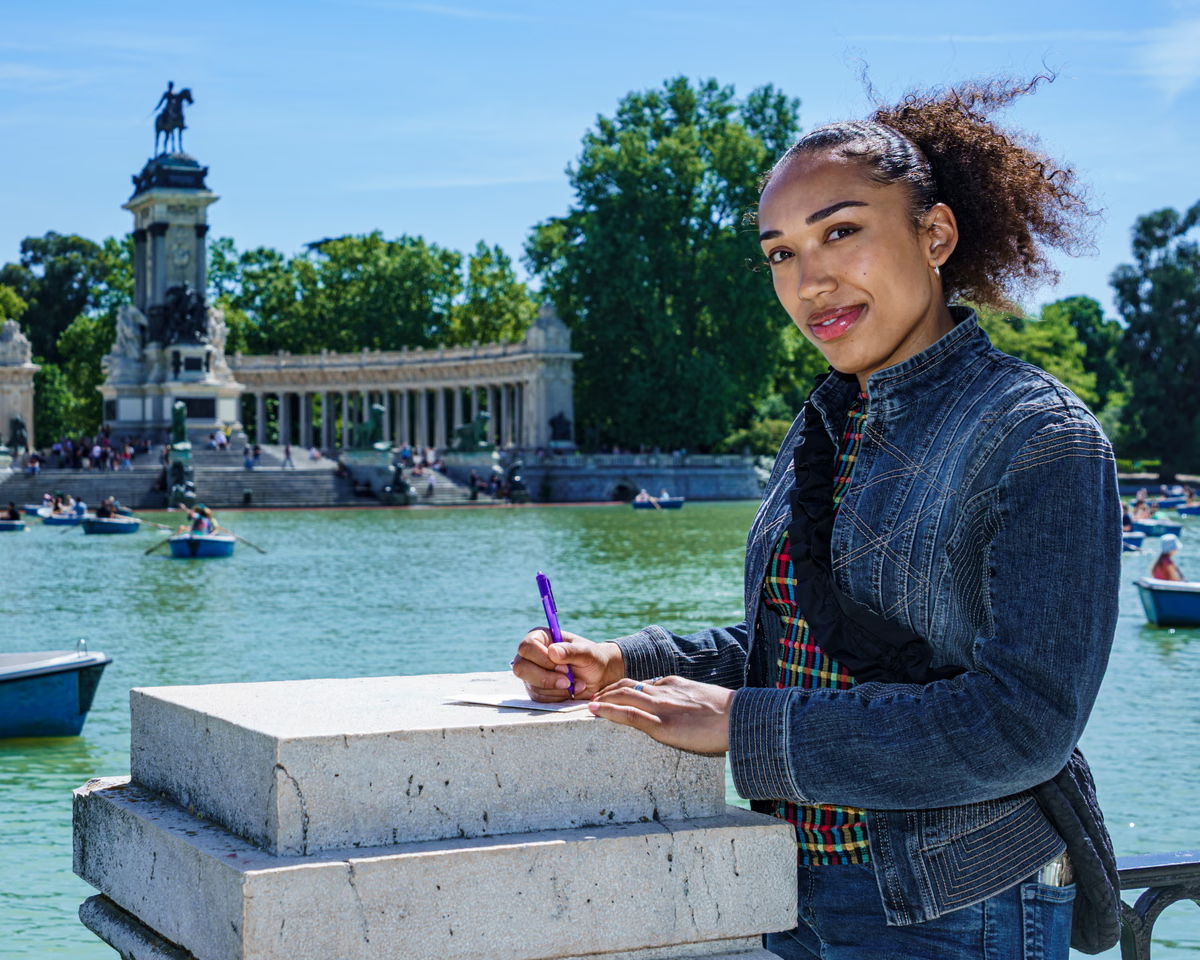









Last January, a piece of mail arrived at the author’s home that stood out from the usual cycle of utility bills and credit card statements. The envelope, postmarked from Paris and addressed in the author’s own handwriting, was a time capsule from a trip taken a year prior. During that visit, she had participated in a letter-writing cafe experience where patrons pen notes to themselves to be delivered exactly one year later. The letter contained simple, reflective questions about her future—such as where she would be living and what her life would look like—which provided a surprisingly grounding experience upon arrival.
This encounter with her own past thoughts sparked a shift in how the author communicates. She began writing regular letters to her mother in London while living abroad in Madrid, using the correspondence to share details that phone calls often missed. These letters frequently included physical mementos, such as museum tickets, receipts, or proof of mundane successes like finding the ripest avocado for 40p. Beyond just updating her family, the practice allowed her to reflect on her surroundings and express thoughts that felt too nuanced for a quick digital exchange.
The habit soon expanded to include her sister, friends, and younger cousins. While not every letter received a written reply, the act of sending them became a cherished, cathartic ritual. The sensory experience of pen on paper and the anticipation of receiving a handwritten note in return offered a depth of connection that FaceTime or family WhatsApp groups could not replicate. The author noted that the pressure to be constantly available online began to fade as she found more satisfaction in the deliberate pace of traditional mail.
In a world where digital messages are often sent in haste and forgotten just as quickly, the author found that letters demand a different kind of attention. Reading a letter requires the recipient to slow down and savor the words, noticing small, human details like a fading pen, a crossed-out phrase, or recurring themes in the writer’s life. This shift in perspective influenced her digital habits as well; she began muting or archiving overwhelming group chats and felt less anxiety about immediate response times.
This newfound rhythm has changed how she interacts with others, leading her to choose her words more carefully and opt for phone calls when text conversations drift. The process has provided a sense of stability, regardless of where she is living. Continuing the tradition, she sent another letter to herself this past January, addressed to her childhood home in London, waiting for a future date when she will once again encounter the person she is today.
Ultimately, while the author has not abandoned technology, the move toward handwritten correspondence has highlighted what is often missing in modern digital communication. By prioritizing the slow, thoughtful exchange of letters, she has fostered deeper connections with loved ones, proving that even in an era of instant messaging, there is significant value in taking the time to write things down.