




The United States government has escalated its economic pressure on Cuba, announcing a new round of sanctions that target nine state-owned mining, metal, and construction enterprises. The move, detailed in a notice on the US Treasury Department’s website this Thursday, explicitly includes Cuba’s Ministry of Construction and various government-controlled import firms.
Among the sanctioned entities are key players in the island’s mineral sector, such as the mining group GEOMINSAL. These measures specifically impact the extraction and trade of cobalt and nickel, which are significant resources for the Cuban economy. Beyond these corporate targets, the administration also sanctioned three leaders associated with the Cuban Institute of Friendship with the Peoples (ICAP), a state organization tasked with managing international relations.
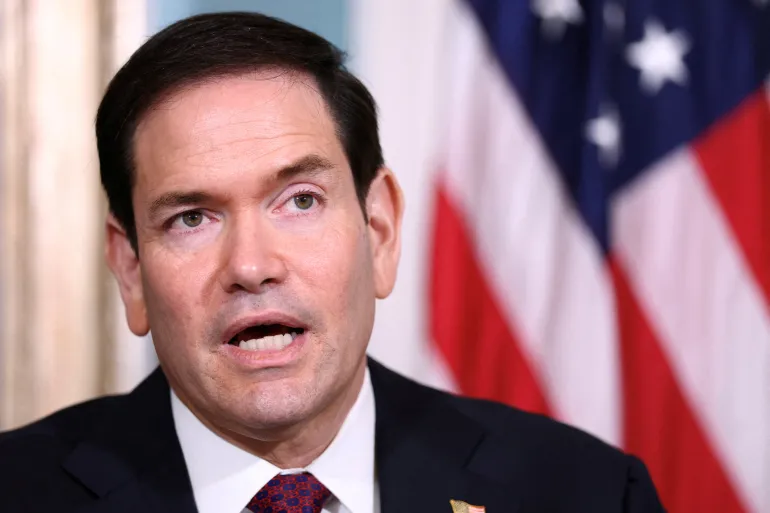
Secretary of State Marco Rubio, a vocal advocate for political change in Cuba, justified the designations by accusing the construction and mining firms of helping to “sustain the regime’s repressive apparatus.” Rubio further alleged that ICAP has been instrumental in organizing a “subversive network” of “international sympathisers” intended to support the Cuban government. He claimed these activities align with a broader goal of “exporting Marxism, racial resentment, and Communist violence across the world.”
These actions represent a continuation of the Trump administration’s “maximum pressure” campaign, which aims to topple the socialist government that has ruled the island since the mid-20th century. Following the January 3 military operation that led to the abduction and imprisonment of Venezuelan President Nicolas Maduro, the administration has increasingly focused its efforts on Cuba, located just 90 miles (145 kilometers) from Florida.
President Donald Trump has previously suggested that once the US-Israeli conflict with Iran concludes, Cuba will be the next target for regime change. The administration has explored various strategies, including potential negotiations with Cuban officials and the possibility of a “friendly takeover” of the island. Reports have also indicated that the US has sought the resignation of Cuban President Miguel Diaz-Canel.
The current economic crackdown builds upon a series of aggressive measures, including a de facto fuel blockade initiated in January. By cutting off Venezuelan oil supplies and threatening tariffs against any nation providing fuel to Cuba, the US has left the island largely dependent on limited Russian imports. Thursday’s sanctions rely on a May executive order that empowers the administration to penalize those deemed “responsible for repression” on the island.
The cumulative effect of these policies has triggered severe energy blackouts and critical shortages of medicine and essential goods. United Nations officials have expressed deep concern, with experts describing the fuel restrictions as a form of “energy starvation.” UN Human Rights Commissioner Volker Turk recently highlighted a decline in survival rates among children with cancer and rising infant mortality, directly linking these health crises to the tightening of extraterritorial sanctions.
“The fuel restrictions imposed since early 2026 and recent tightening of extraterritorial sanctions, taken together, are directly harming Cubans, especially the most vulnerable,” Turk stated, calling for the immediate lifting of the measures. Despite these warnings, the US administration maintains that the sanctions are a necessary response to the national security threat it claims Cuba poses to the United States. The report also notes that “The Trump Administration will not stand by while a hostile foreign power seeks to exploit our freedoms — none of which are afforded to its people — by misleading and corrupting American citizens with lies, spy tradecraft, and other malfeasance,” Rubio wrote. The report also notes that from Russia, has docked at the island since, only one oil tanker. The report also notes that united Nations officials have warned that such conditions could trigger a humanitarian crisis. The report also notes that “These sanctions must be lifted immediately.”.