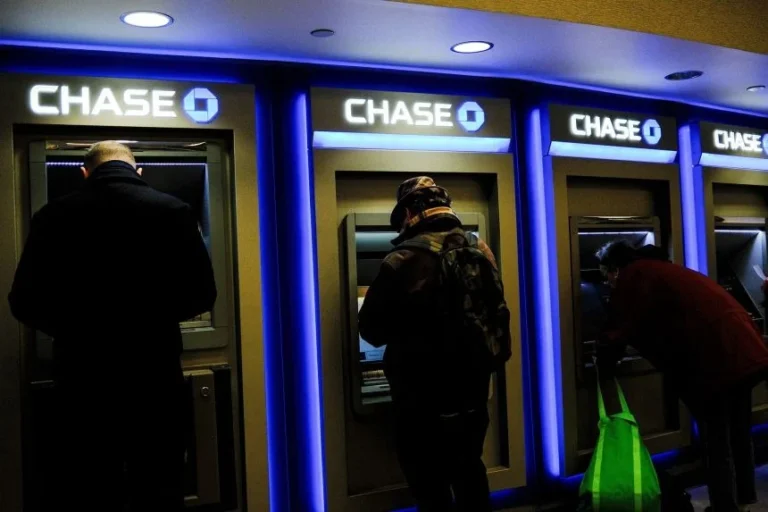









A series of widespread service outages hit several major U.S. financial institutions on Monday, leaving customers unable to access online accounts, view balances, or complete electronic transactions. According to Downdetector.com, the disruptions began early in the morning and intensified throughout the day, affecting users of JPMorgan Chase, Bank of America, Wells Fargo, U.S. Bank, Capital One, and Truist, as well as the digital payments service Zelle. Italy fines Meta $880 million over accessing users’ photos.
JPMorgan Chase, which saw the highest volume of reports with nearly 4,800 complaints by 2 p.m. ET, attributed the disruption to a technical software bug rather than a cyberattack. A spokesperson stated that while some transactions are experiencing processing delays, customer accounts and funds remain secure. The bank noted that the issue was not systemic but occurred when Chase was party to transactions involving other financial institutions.
The technical glitch appears to have rippled through interconnected payment networks.
A spokesperson for U.S.
Bank clarified that while their own systems were not directly compromised, clients attempting to send or receive Zelle payments with external institutions faced significant delays. Zelle’s network operator, Early Warning Services—owned by a consortium of major banks—asserted that its service is operating as intended, though it acknowledged that outages at individual member banks are hindering the ability of some consumers to process transfers. 3 tech crises highlight fragile systems. 3 checking account questions to ask yourself right now. How Debanking Took Hold Inside the Biggest Banks.
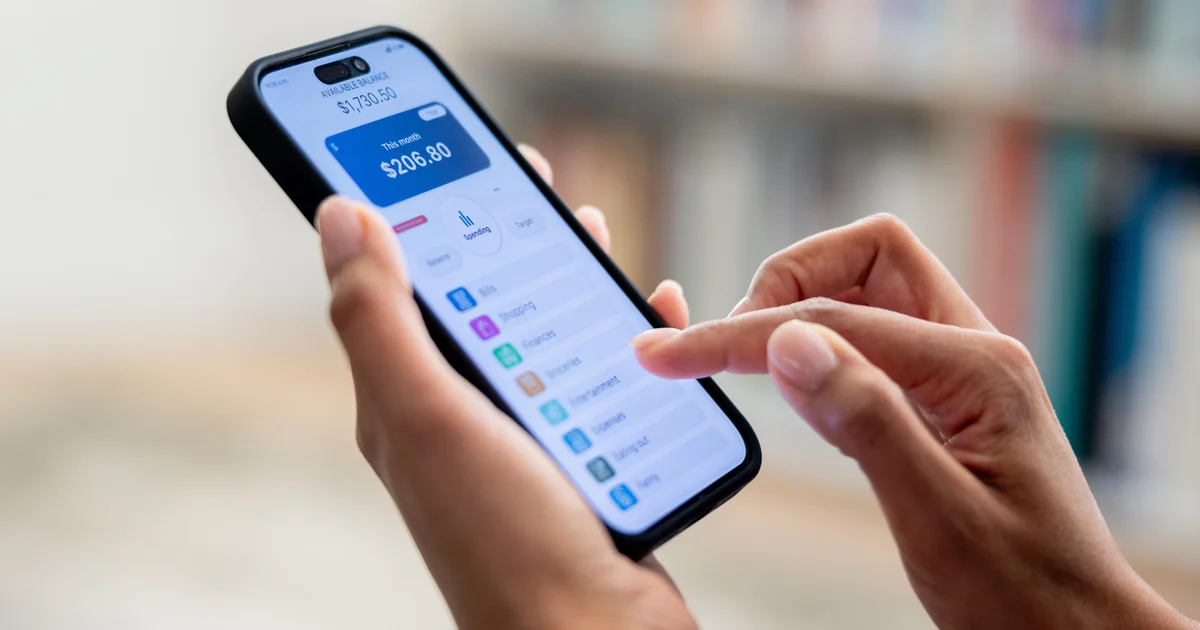
Frustrated customers took to social media and support channels to report being locked out of mobile apps and online portals. One customer in Dallas reported being unable to deposit checks at a branch, citing local staff who confirmed the system was down without providing further clarity. Capital One, meanwhile, confirmed that its own operations remain unaffected by the broader industry outage. He added, expressing frustration at the lack of clarity about the situation, a bank teller told the customer in front of him that the “system was down” without providing additional details. The Associated Press contributed to this report.
Technology experts suggest these incidents highlight the increasing complexity and vulnerability of modern digital banking infrastructure.
Mike Chapple, an analytics expert at the University of Notre Dame, observed that this incident follows a tumultuous week of technology failures, including a massive Microsoft service outage and a computer system failure that forced a nationwide ground stop for the Federal Aviation Administration. Stranding travelers and causing thousands of canceled flights, the glitches also came only days after overloaded routers forced the Federal Aviation Administration to order a rare nationwide ground stop on Friday.
He noted that while these events have independent technical explanations, they underscore the inherent fragility of interdependent systems that underpin daily life.
Karen Panetta, dean of graduate engineering at Tufts University, added that the reliance on large backbone providers means that even minor disruptions can have magnified, industrywide downstream effects. When major institutions like JPMorgan Chase experience a failure, the integration that usually provides customer convenience becomes a conduit for widespread service interruption. Edited by Alain Sherter and Aimee Picchi.
Security analyst Kayne McGladrey advised affected customers to explore alternative access methods, such as visiting physical bank branches, using ATMs, or utilizing phone banking, which often remain operational even when digital apps fail. She also urged users to document any failed attempts with screenshots to facilitate potential fee waivers or reconciliation once services are restored. According to try ATMs, cards, phone banking and branches, which often keep working when the app doesn’t,” she, In a statement to. Since you may need them for reconciliation or fee waivers, screenshot failed transactions and error messages. Best CD rates of November 2026: Up to 5.00% APY.
Consumers have been warned to remain vigilant against potential fraud. McGladrey cautioned that outages are prime opportunities for malicious actors to launch phishing scams via unsolicited emails. She advised bank clients to ignore suspicious messages and rely strictly on official communication channels provided by their financial institutions for status updates and instructions.