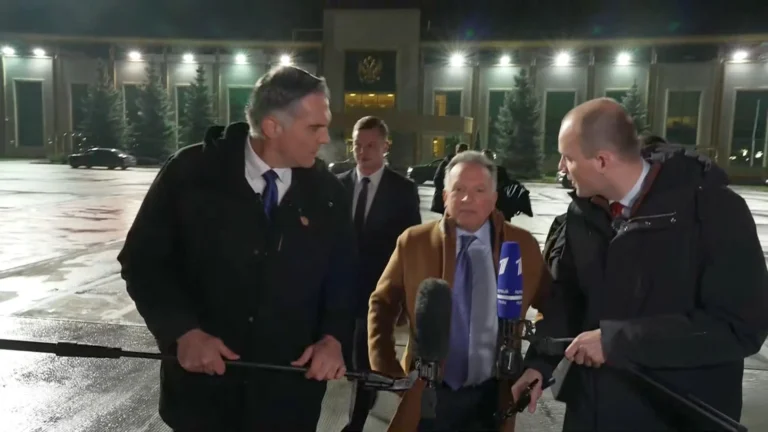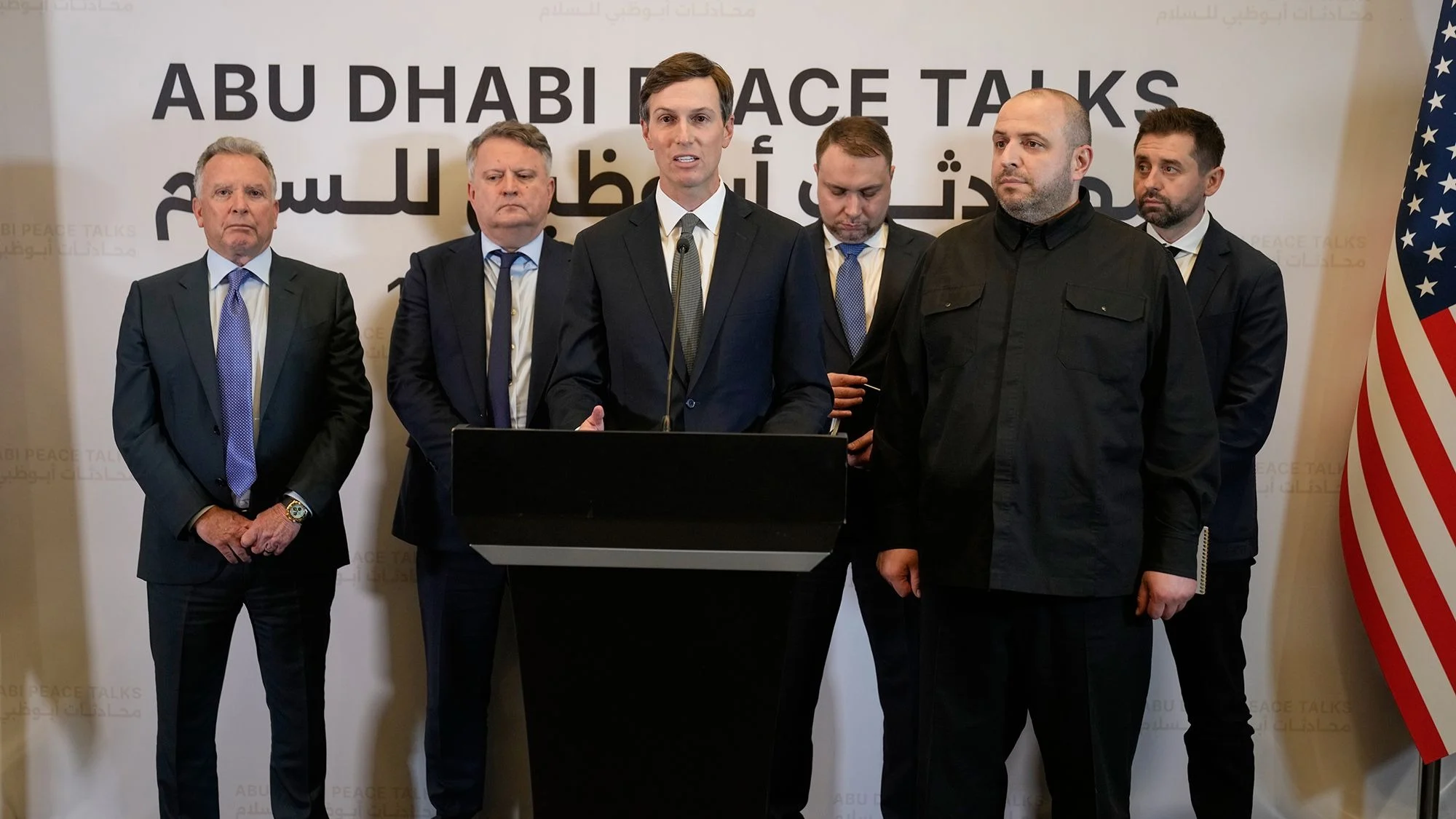




Jared Kushner, serving as a primary negotiator for President Donald Trump, announced Wednesday that he and Middle East envoy Steve Witkoff will travel to Moscow to meet with President Vladimir Putin. The trip follows two days of negotiations in Abu Dhabi aimed at addressing the nearly five-year conflict in Ukraine, which concluded without a definitive breakthrough.
Speaking at a news conference in the UAE capital, Kushner stated the upcoming meeting intends to build upon discussions held Wednesday, citing potential openings and opportunities for progress.
Although he holds no formal position within the current administration, Kushner continues to act as a key diplomatic figure. He indicated that the team plans to prioritize finalizing humanitarian relief efforts and prisoner exchanges while also pushing for a multilateral framework that includes European nations—an approach Moscow has consistently resisted. In recent weeks, Trump has announced significant concessions to Moscow, raising concern in European capitals that the US administration may try to force an end to the war on terms favorable to Russia.
Following the Moscow visit, Kushner and Witkoff are scheduled to travel to Dublin to consult with Ukrainian President Volodymyr Zelensky regarding proposals generated during the Abu Dhabi summit. Wednesday’s sessions, which lasted less than two hours, yielded little indication of a shift in Russia’s core demands. Top Russian negotiator Vladimir Medinsky remarked that while the parties reached a mutual understanding on certain issues, significant differences remain, adding that the conversation will undoubtedly continue.
Despite the lack of a major resolution, President Zelensky characterized the recent meetings as a positive development, particularly regarding an important humanitarian agreement involving prisoner exchanges. Writing on Telegram, Zelensky noted that the parties deliberated on security guarantees and the necessity of ending the hostilities. He reinforced his position that Europe must be represented directly at all stages of diplomatic negotiations.
The talks were marked by notable friction regarding the presence of European representatives in the UAE. While U.S. Secretary of State Marco Rubio advocated in Paris for European inclusion at the negotiating table, Russian Foreign Minister Sergey Lavrov dismissed the involvement of European officials as an unpromising approach. Kremlin spokesperson Dmitry Peskov confirmed that no formal contacts took place between Russian delegates and EU representatives during the summit.
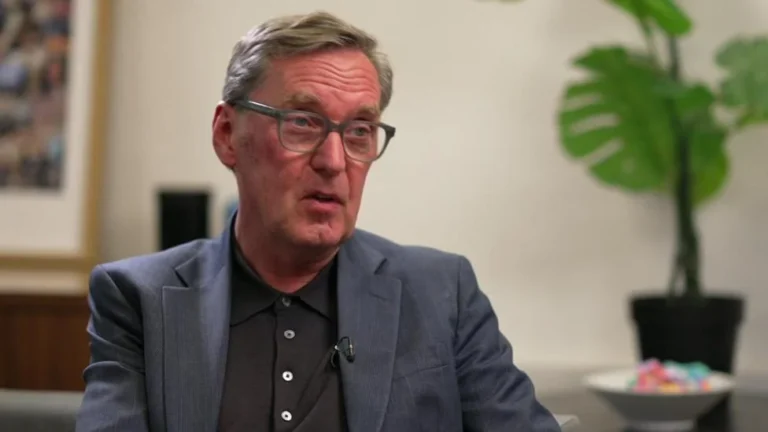
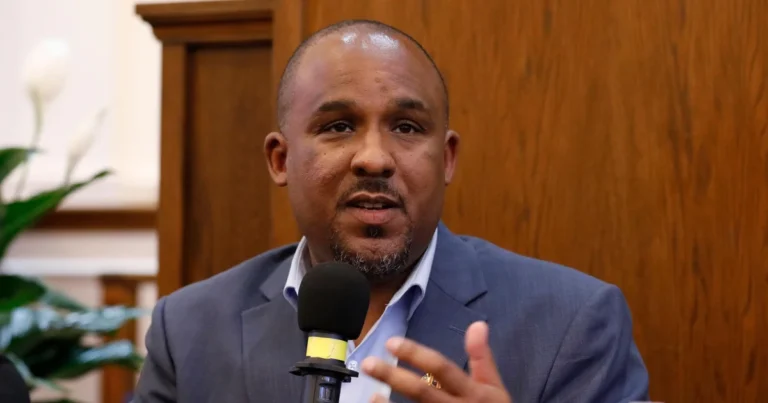
Ukrainian officials noted the complexity of the recent discussions. Rustem Umerov, the head of Ukraine’s foreign intelligence service, acknowledged some progress on security matters but emphasized that major obstacles persist. Negotiator Davyd Arakhamia described the sessions as exceptionally difficult, noting that the Russian delegation arrived with rigid, strict directives that made the exchange one of the toughest rounds of diplomacy since the conflict began in 2022. “I’m in this process since 2022 and I can fairly say that this was one of the toughest ones,” Arakhamia added. According to last week, Trump teased a new security deal for Ukraine that he, “might involve all of Europe” – a comment European officials seized on to reiterate their demand for a bigger role in peace talks. Anna Chernova and Kosta Gak contributed reporting.